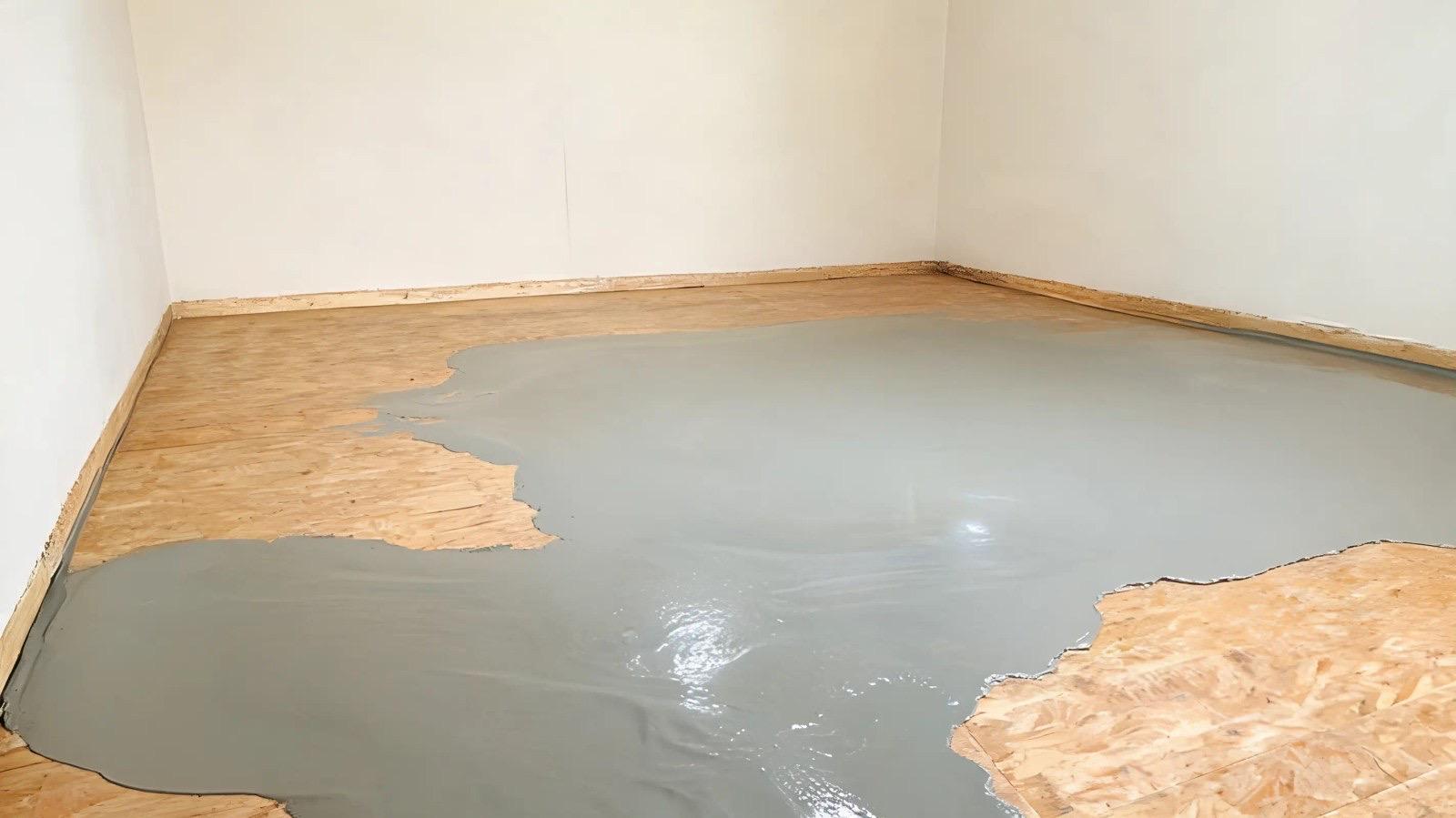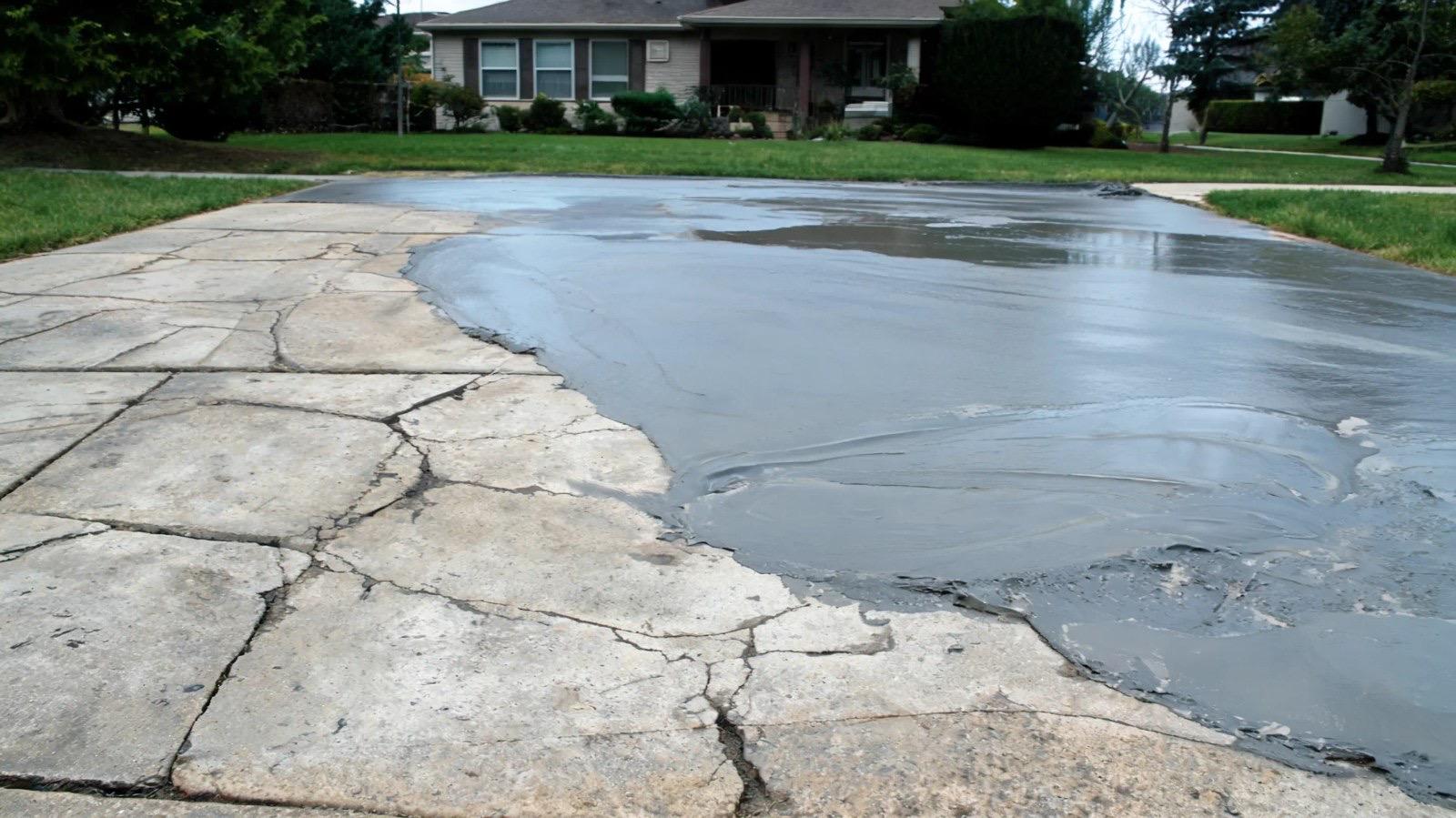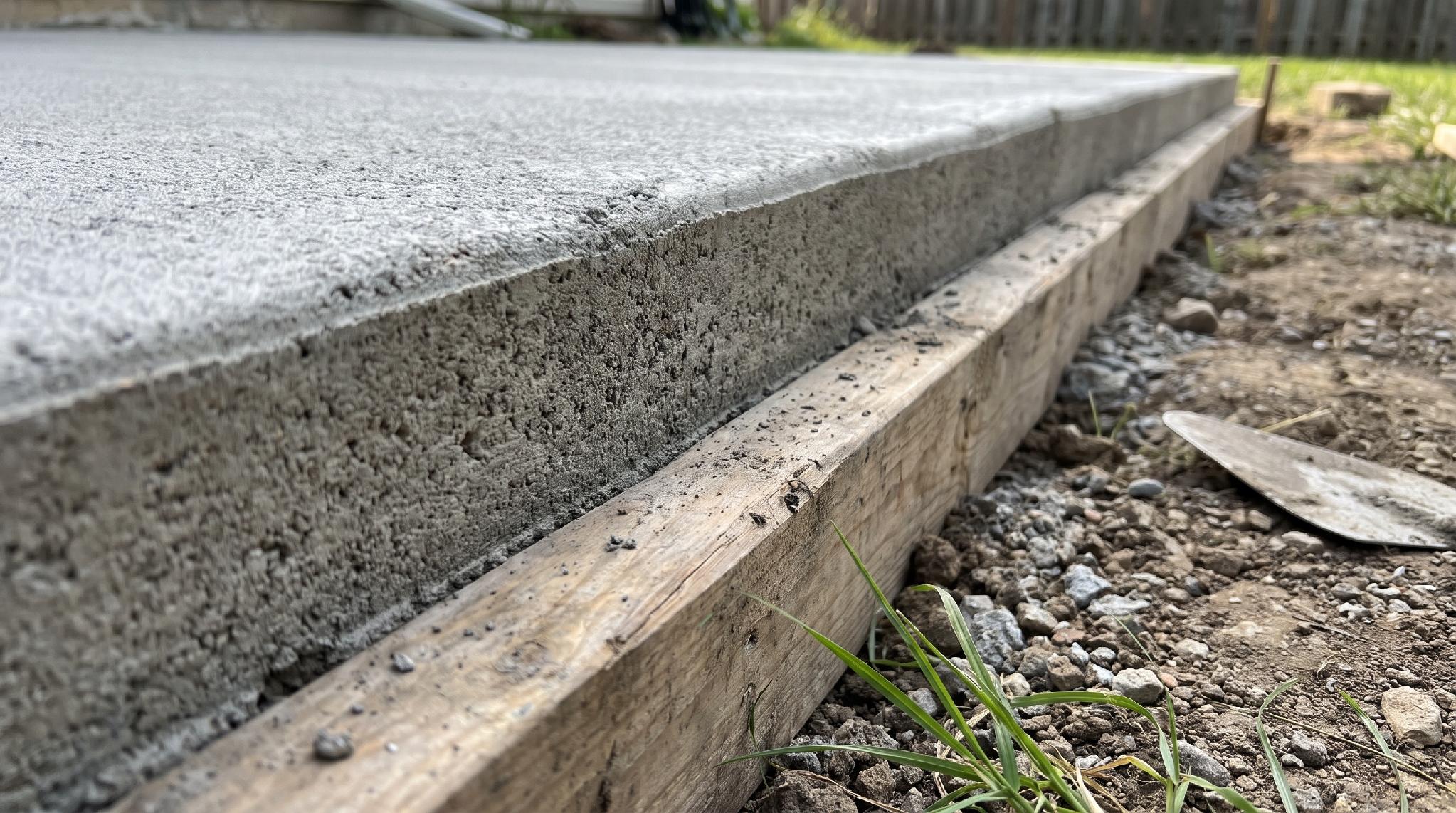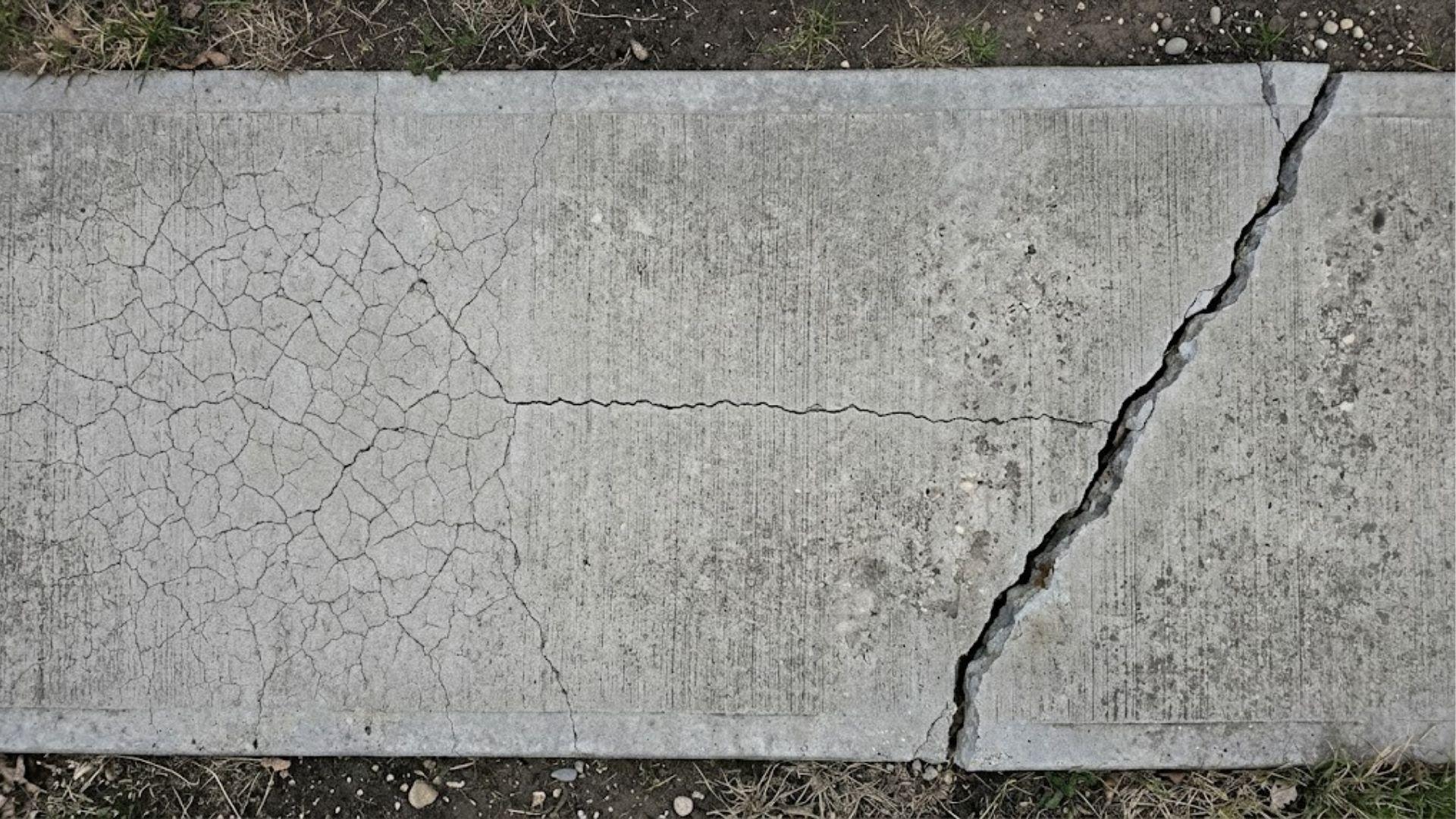
Here’s your crack guide. Some cracks in a slab are nothing, pure cosmetic. A few mean something’s moving under there and you need to pay attention to it.
The problem is, at a glance they can look close to the same. A surface crack and a structural one don’t always announce themselves.
This runs through the types of cracks you’ll actually see in a concrete slab, what each one looks like, what caused it, and how much weight to put on it.
Once you’ve got a name on the crack, you know whether to leave it alone or get somebody out to look at it.
Why Concrete Slabs Crack
Almost every slab cracks eventually. Nothing strange about that. The material shrinks while it cures and it moves with the ground underneath it, so cracking is how it lets go of that stress.
What changes is the cause, the look, and what it means for you.
Most cracks come from plain shrinkage, nothing to worry about there. A smaller share points to something moving under the slab, and that’s the kind worth your attention.
Here’s a split worth knowing before you go looking for a type. Some cracks lock in while the slab’s still wet. Others show up months or years after it’s cured and hard.
A crack that formed before the slab set, that one’s already done. Nothing to fix now, just something to recognize and move past.
It shows up after curing a different animal. That one’s telling you something’s happening right now, under the slab or around it.
Types of Cracks in Concrete Slabs
Here’s what you’re most likely to run into, from the ones that don’t matter down to the ones that do. Each has its own look and its own cause, so a close look usually tells you which you’ve got.
1. Crazing Cracks
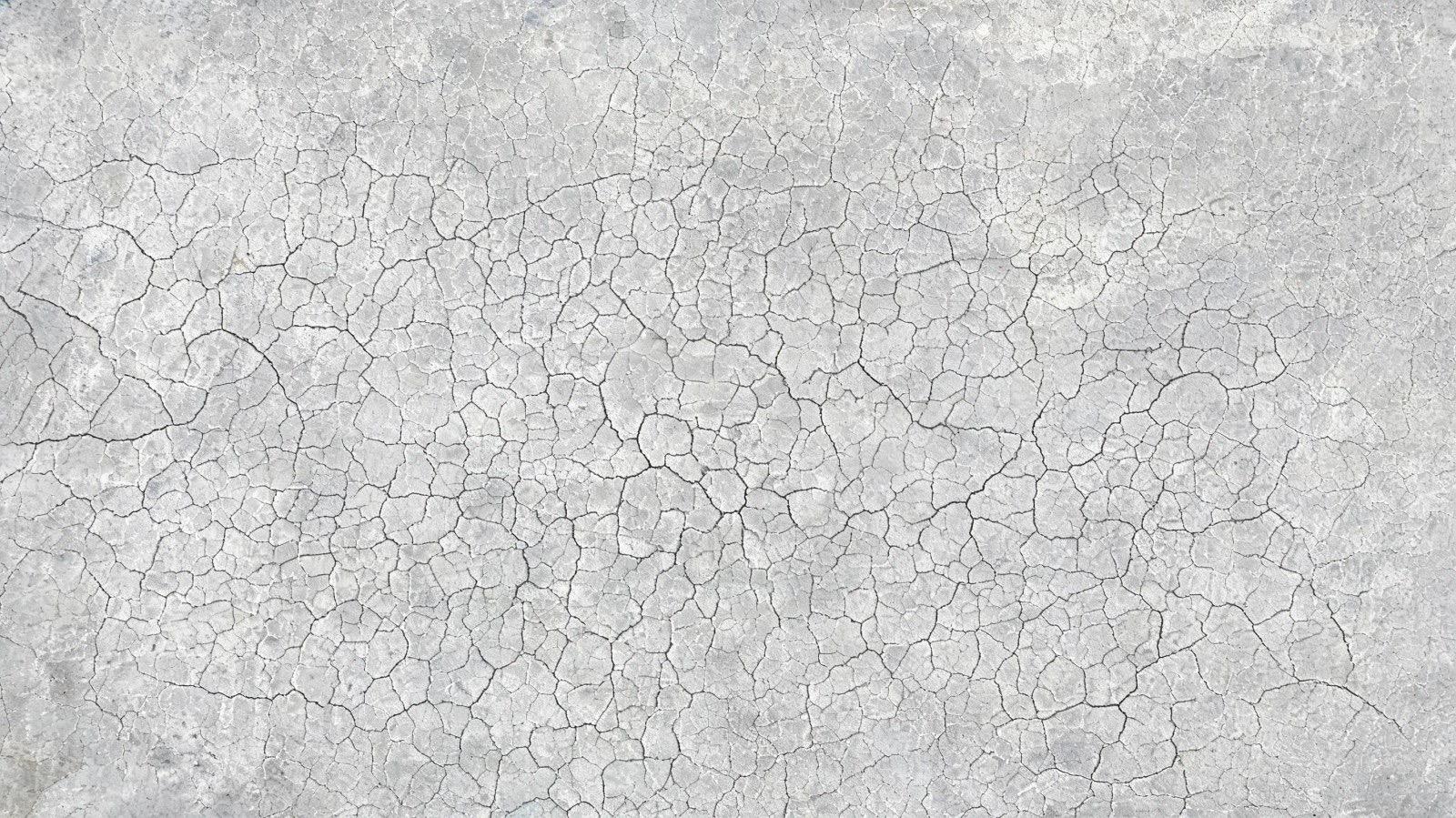
Crazing is a fine web of shallow cracks across the top surface, nothing deep. It happens when the top dries faster than the concrete underneath while it’s curing.
That’s cosmetic, full stop. Doesn’t touch the strength of the slab. Most slabs have some crazing if you get down and look close enough.
2. Plastic Shrinkage Cracks
These show up in the first few hours, while the concrete’s still wet, short and narrow. Fast evaporation off the surface pulls the top apart before it’s had the chance to set.
Shallow, usually harmless. Proper curing, covering the slab while it sets, prevents most of them. I don’t see many jobs where the crew covered the pour right.
3. Re-Entrant Corner Cracks
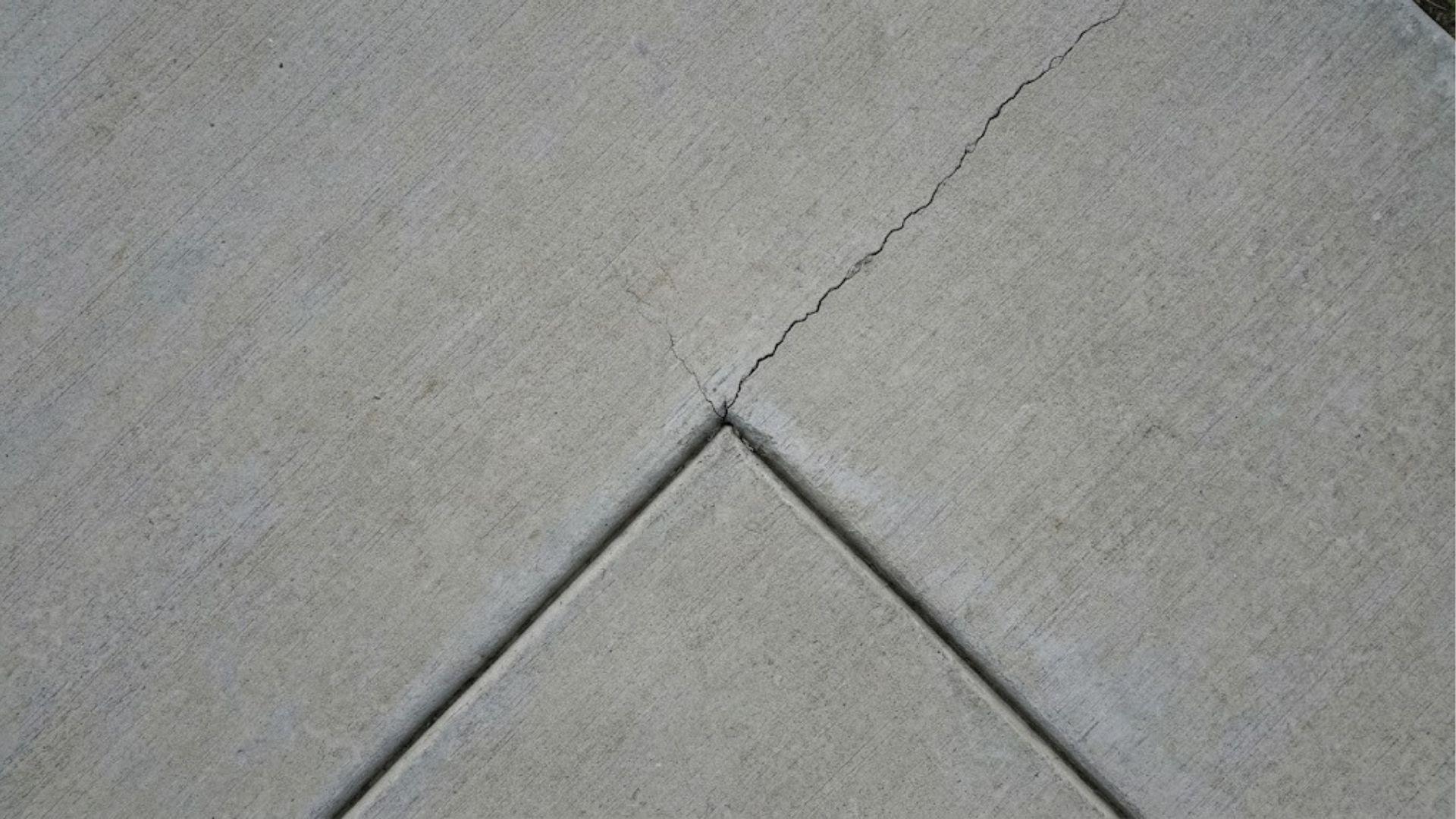
Theseshow up at internal corners, the inside angle of an L-shaped slab, or around a pipe or column poured into the concrete.
The slab wants to shrink evenly as it cures. A corner or an object in the way stops that from happening even, and the stress has to go somewhere, so it breaks out as a crack running diagonal off that point.
I see these most on slabs with a step, a drain, or a support column poured into the middle. The fix is a control joint at that corner before the pour, not a patch after the crack’s already there.
You don’t want to be cutting a joint into a crack that has already formed.
4. Drying Shrinkage Cracks
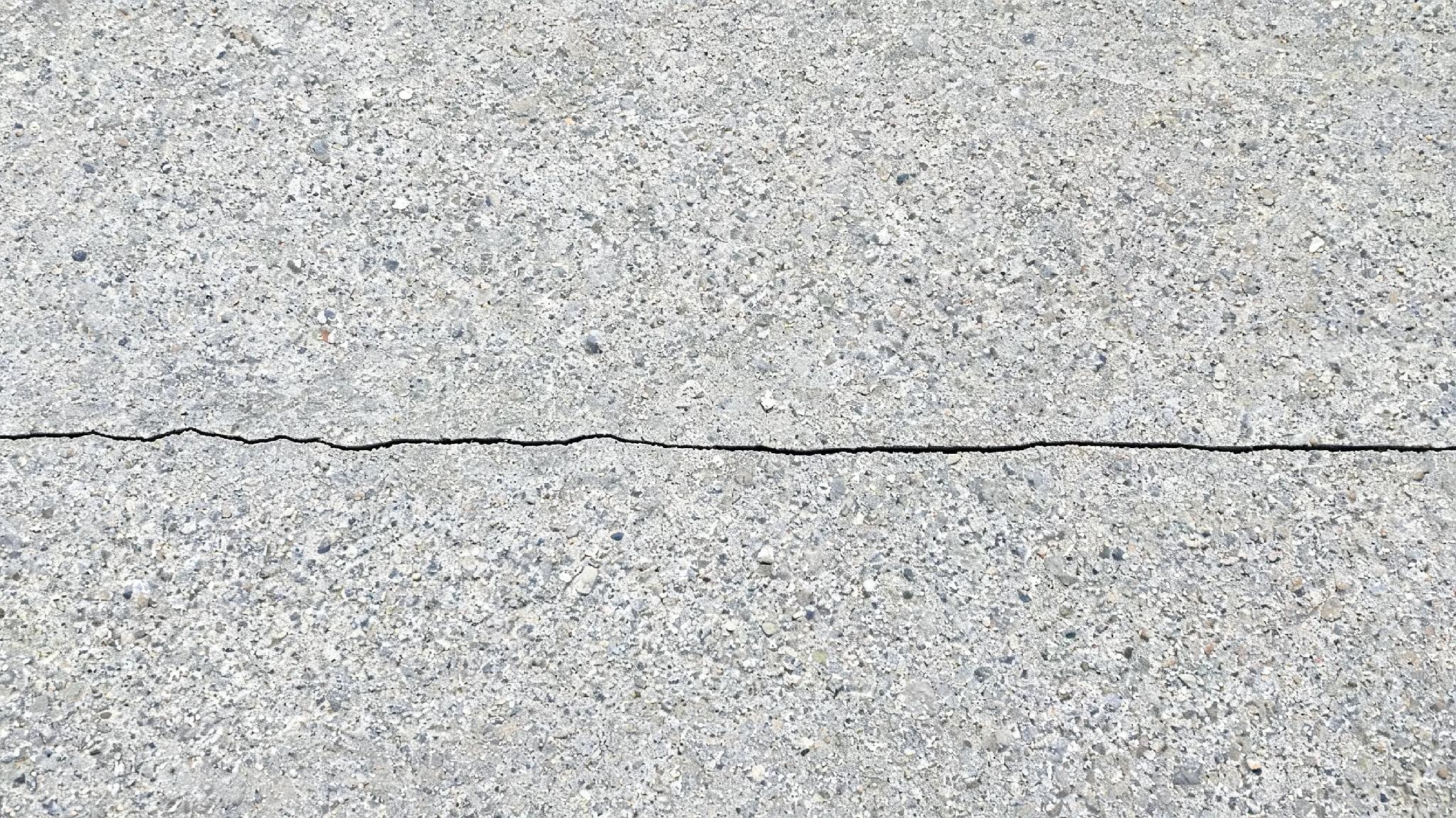
As concrete cures and loses moisture it shrinks, and it cracks in fairly straight lines doing it. This is the one you’ll see most on any slab.
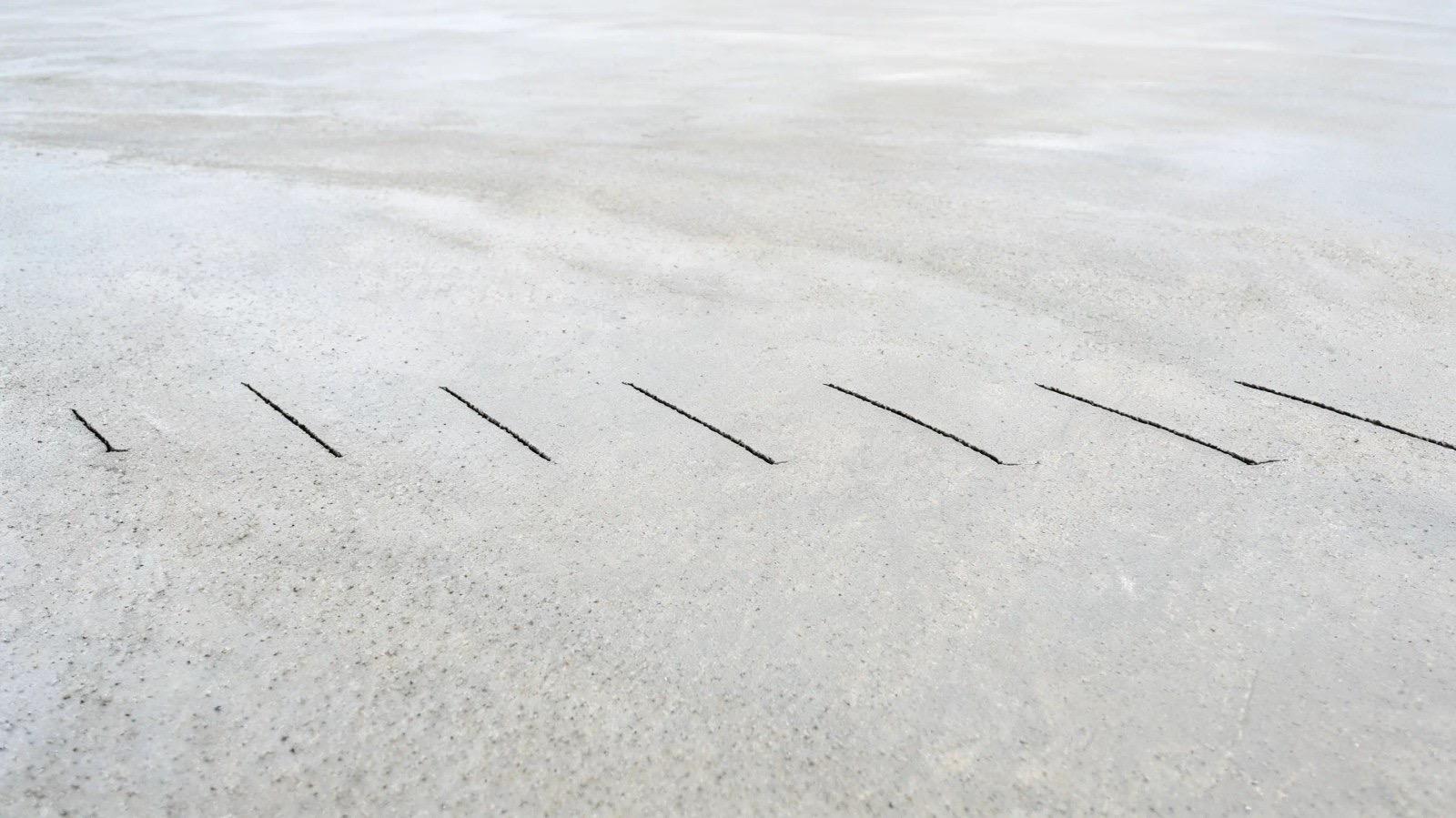
Control joints get cut in to steer these cracks where you want them, into a straight, planned line instead of wherever they feel like going.
The standard rule of thumb: joint spacing in feet shouldn’t run past about two to three times the slab’s thickness in inches, so a 4-inch slab wants joints every 8 to 12 feet.
When a crack follows a joint, that’s the slab doing exactly what it was built to do.
5. Settlement Cracks
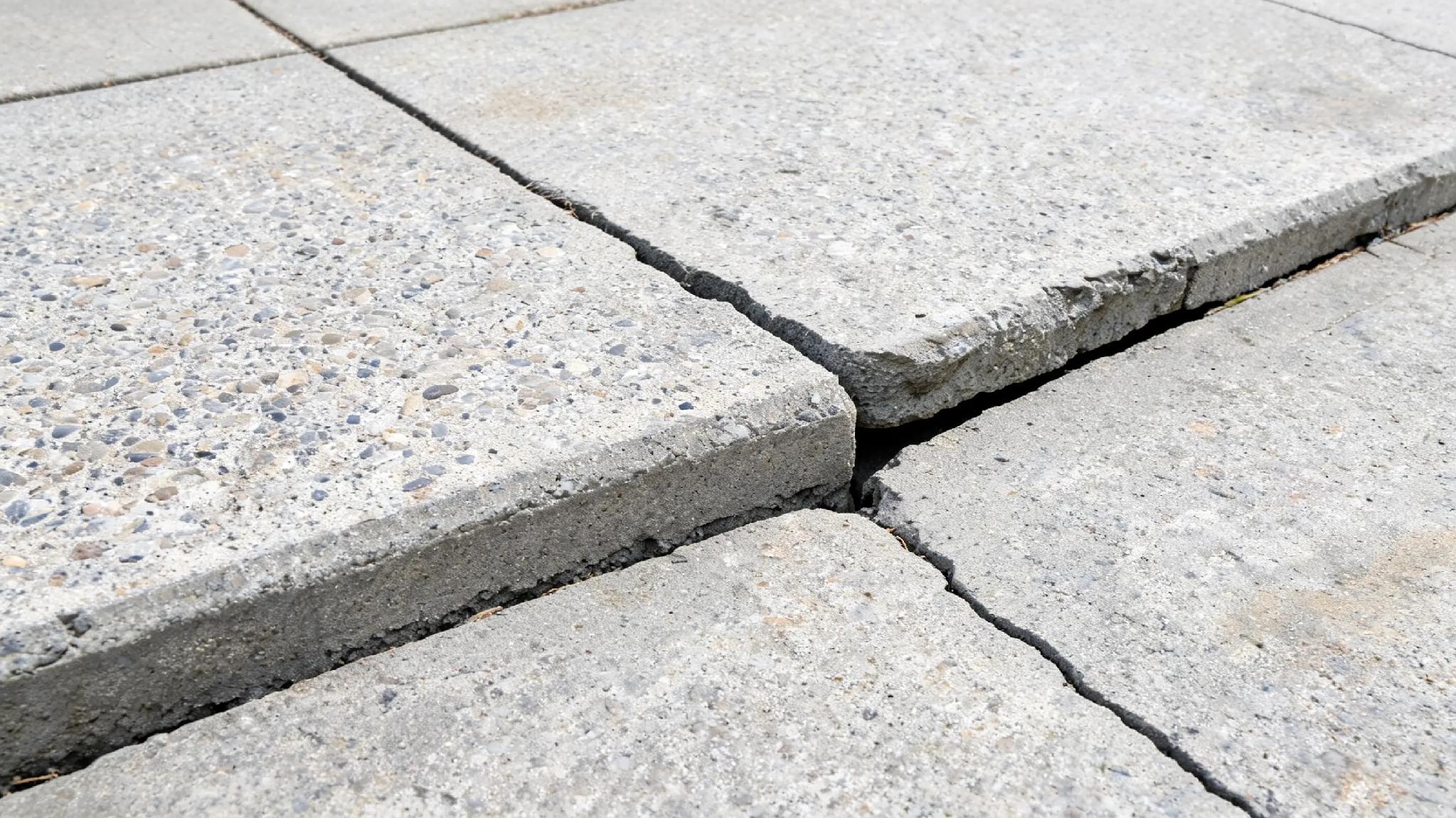
These form when the ground under the slab settles unevenly and part of the slab loses what’s holding it up. Wider, usually, and they can run at an angle instead of straight.
Here’s why they look the way they do. When soil drops away on one side of a crack, that side’s got nothing left under it to rest on.
The slab doesn’t drop flat. One side’s unsupported, so it tilts around the crack line as it goes down: wider gap at the top where the slab’s swinging open, tighter at the bottom where it’s still anchored.
That’s why settlement cracks run wider at the top than at the bottom. The top of the slab swings open as one side drops, while the bottom stays closer together.
Settlement cracks are the ones to watch. If it’s growing, or one side’s sitting higher than the other, the slab’s moving. That’s not cosmetic anymore.
Heaving Cracks
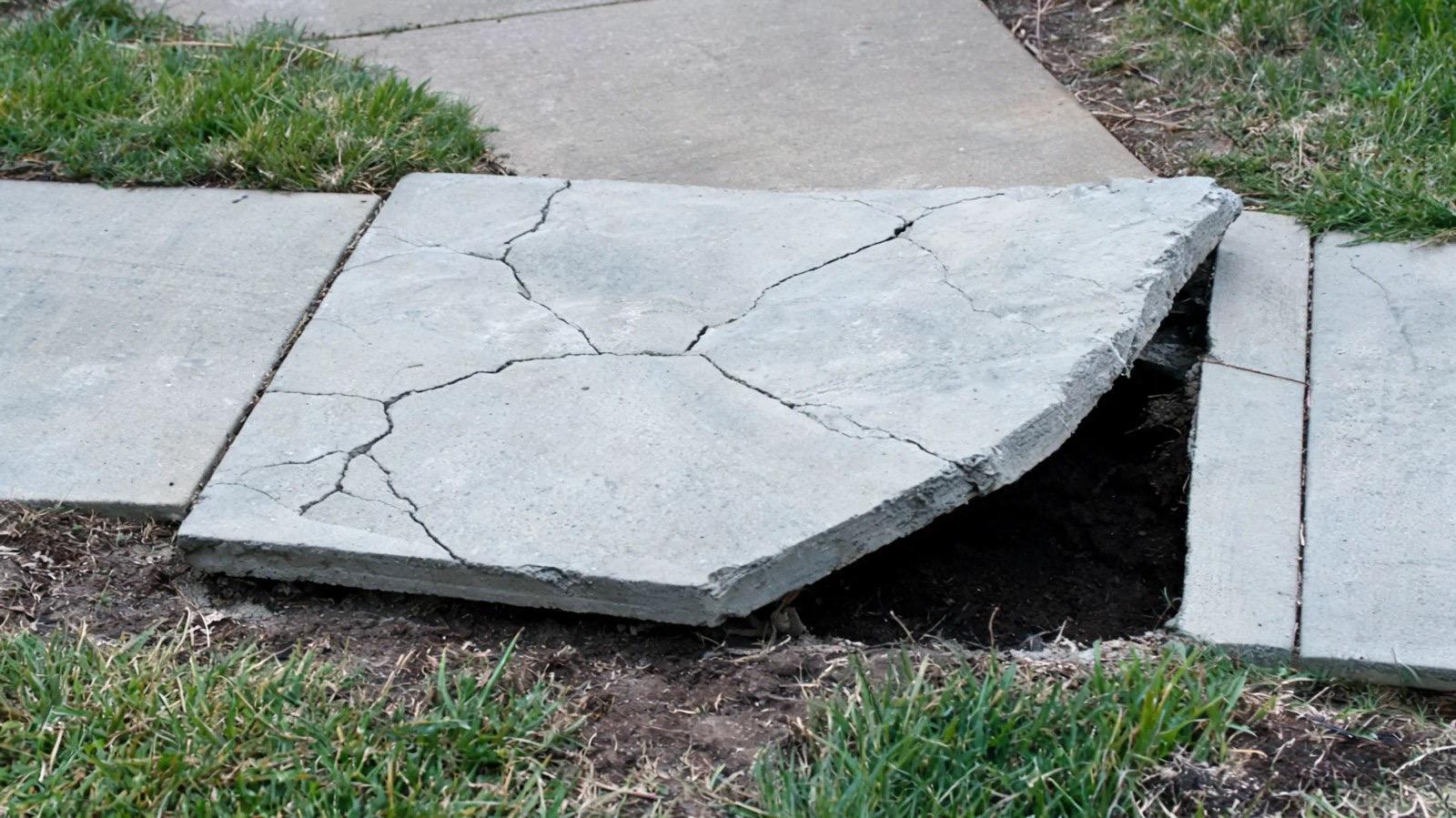
Heaving’s the opposite of settling. Soil swells from moisture or frost, pushes the slab up from underneath, and cracks it doing that.
Two things usually cause it. Expansive clay soil swells when it takes on water. Freeze-thaw cycles push soil upward as it ices and thaws underneath the slab. Either way you end up with the same look, lifted, uneven sections instead of a clean straight line.
Same as settlement, heaving points to the ground moving. The slab’s not doing this to itself.
Expansion Cracks
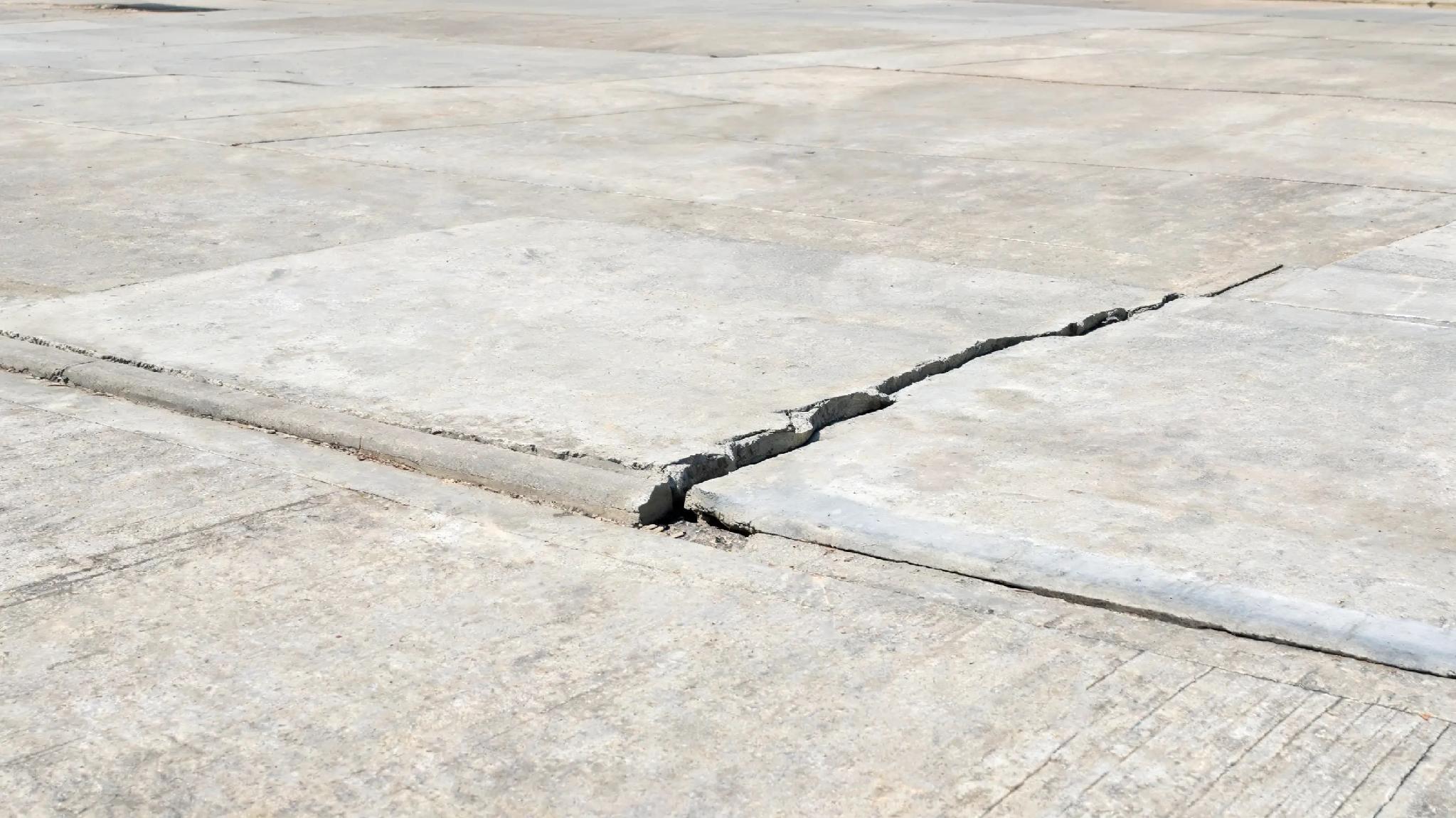
Concrete expands in heat. Without room to move, that pressure cracks the slab or pushes it against whatever it runs into.
Expansion joints are built in to take that pressure. When they’re missing, or they fail, you get cracking where two sections press against each other.
You’ll usually find these where a driveway meets a garage slab, or where a patio butts up against a foundation wall, anywhere two pours were never meant to move as one piece.
Overload Cracks
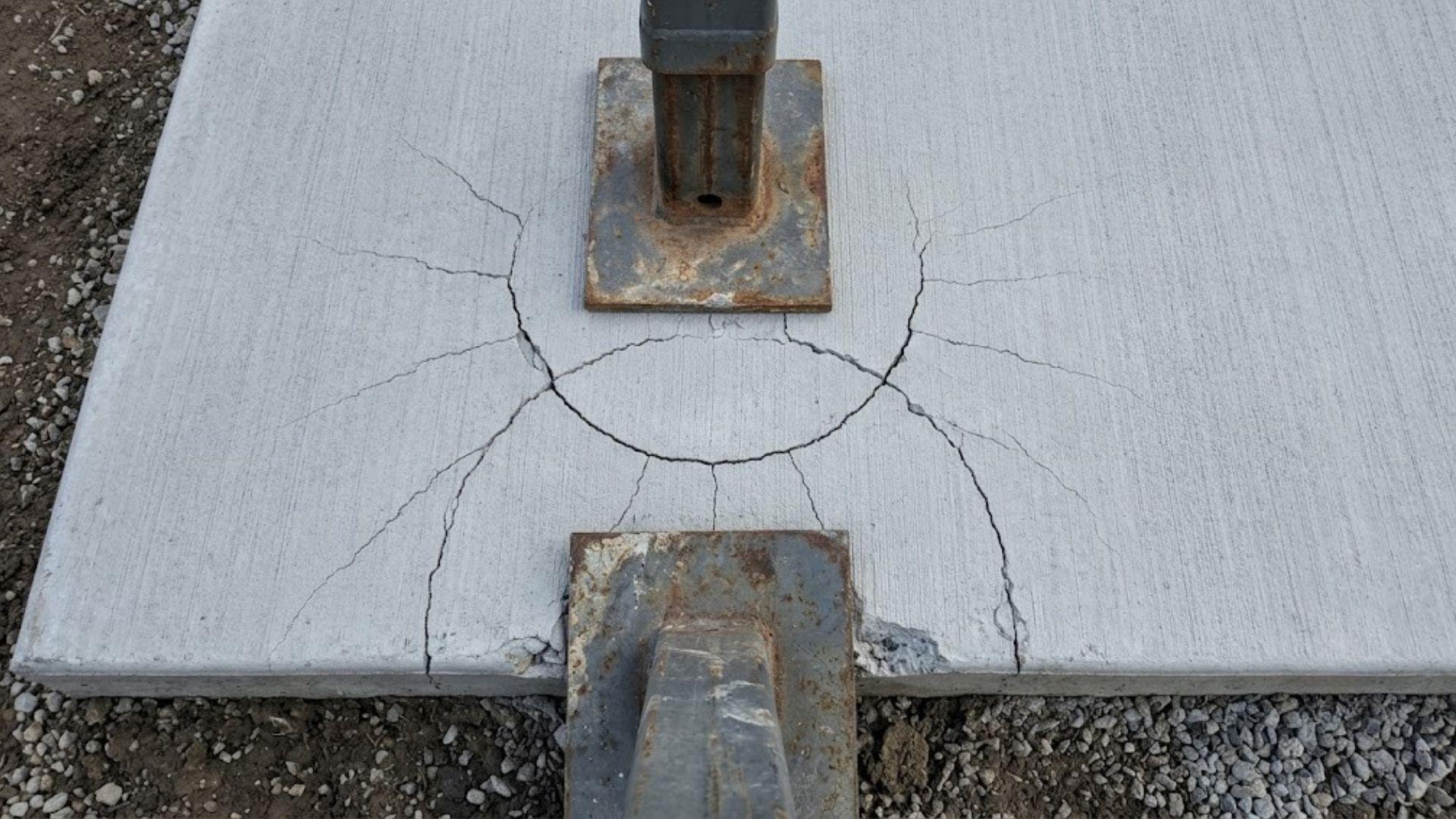
Thesehappen when a slab’s carrying more weight than it was built to hold.Heavy machinery, a parked vehicle, a load dropped in one spot, that kind of thing.
The crack pattern gives it away. Overload cracks tend to run as half circles near the edges of a slab, or radiate out around a column.
That’s because the edges and the area around a column are the thinnest, least supported parts of the whole slab. They give out first when the load’s too much for what’s there.
If you’ve put a hot tub, heavy shelving, or machinery on a slab that wasn’t poured for it, that’s the crack type to go check for.
Which Cracks Are Serious?
Most of what’s above is cosmetic. Crazing, plastic shrinkage, drying shrinkage, none of that threatens the slab.
The ones to respect are settlement, heaving, overload, the structural kind. A few things separate them from the harmless cracks.
A crack under about 1/16 inch wide, sitting flat with no height difference side to side, that’s generally nothing.
Watch for anything over about 1/8 inch, a crack that keeps growing, or one side sitting higher than the other. Pair any of that with a door that’s sticking or a floor that’s gone uneven and now you’re looking at structural.
Growth is what actually decides where a crack lands, not how it looked the day you found it. Mark both ends, check back in three to four weeks, see if it moved.
Here’s the full method for checking whether a crack’s still active if you want to do it right.
Spread past your marks, it’s active, treat it as structural even if day one looked mild. Nothing’s changed, it’s done moving, old shrinkage, case closed.
One thing catches people off guard. A thin crack that keeps slowly widening over months matters more than a wide crack that’s held steady for years. Movement’s the warning, not size by itself.
What To Do About a Serious Crack
Cosmetic cracks don’t need anything beyond a cosmetic fix. A hairline crack you want sealed against water, a bead of polyurethane or epoxy caulk handles that yourself in an afternoon.
Structural cracks are a different job. Settlement, heaving, and overload cracks mean the ground or the load is still working on the slab, and a surface patch won’t hold.
That’s a call to a structural engineer or a foundation repair contractor, not a tube of caulk.
They’ll usually start with the same thing you did, measuring the crack and watching it move, then decide between options like epoxy injection for a crack that’s stopped moving, or piering and leveling if the slab’s still settling.
Don’t let a contractor skip straight to a quote without that inspection step.
The Bottom Line
The types of cracks in concrete slabs run from harmless crazing and shrinkage lines up to settlement, heaving, and overload cracks, and those last three are the ones that matter.
Most of what you’ll see is cosmetic, just the concrete curing the way it’s supposed to.
Learn to spot the warning signs, wide, growing, offset, and you’ll know when a crack’s just character and when it’s worth a closer look.
One thing this doesn’t cover: if the crack’s running through a foundation wall instead of the slab, that’s a different thing entirely, see Vertical Cracks in Concrete Walls for that one.
Frequently Asked Questions
What Do Different Concrete Cracks Mean?
Fine spiderweb crazing and thin shrinkage cracks mean normal curing, cosmetic, nothing more. Wider cracks that run at an angle, keep growing, or sit uneven usually mean the ground’s moving or something structural. The look and the behavior tell you which one you’ve got.
Are Hairline Cracks in a Concrete Slab Normal?
Yes. Hairline cracks from shrinkage and crazing are about as common as it gets and rarely a problem. They form as the concrete cures and dries out. Seal them if you want to keep water out, but they’re not telling you anything’s wrong structurally.
What Do Structural Cracks Look Like?
Structural cracks run wider than about 1/8 inch, usually diagonal, sometimes with one side sitting higher than the other. They grow over time. Pair that with a sticking door, an uneven floor, or a gap opening at a wall, and you’re looking at settlement or heaving.
Should You Worry About Cracks in a New Concrete Slab?
Usually not. New slabs commonly throw shrinkage and crazing cracks as they cure, and that’s harmless. Only get concerned if a new crack’s wide, growing fast, or offset, because that can point to a base or support problem instead of normal curing.