
How thick should a concrete patio be? Most people assume there’s one universal number, and mostly, there is.
But that number changes fast the moment you plan to put something heavy on top of it. Soil, climate, and even what drives across it can change the answer too.
Here’s the standard thickness, when to go thicker, and why it actually matters.
How Thick Should a Concrete Patio Be?
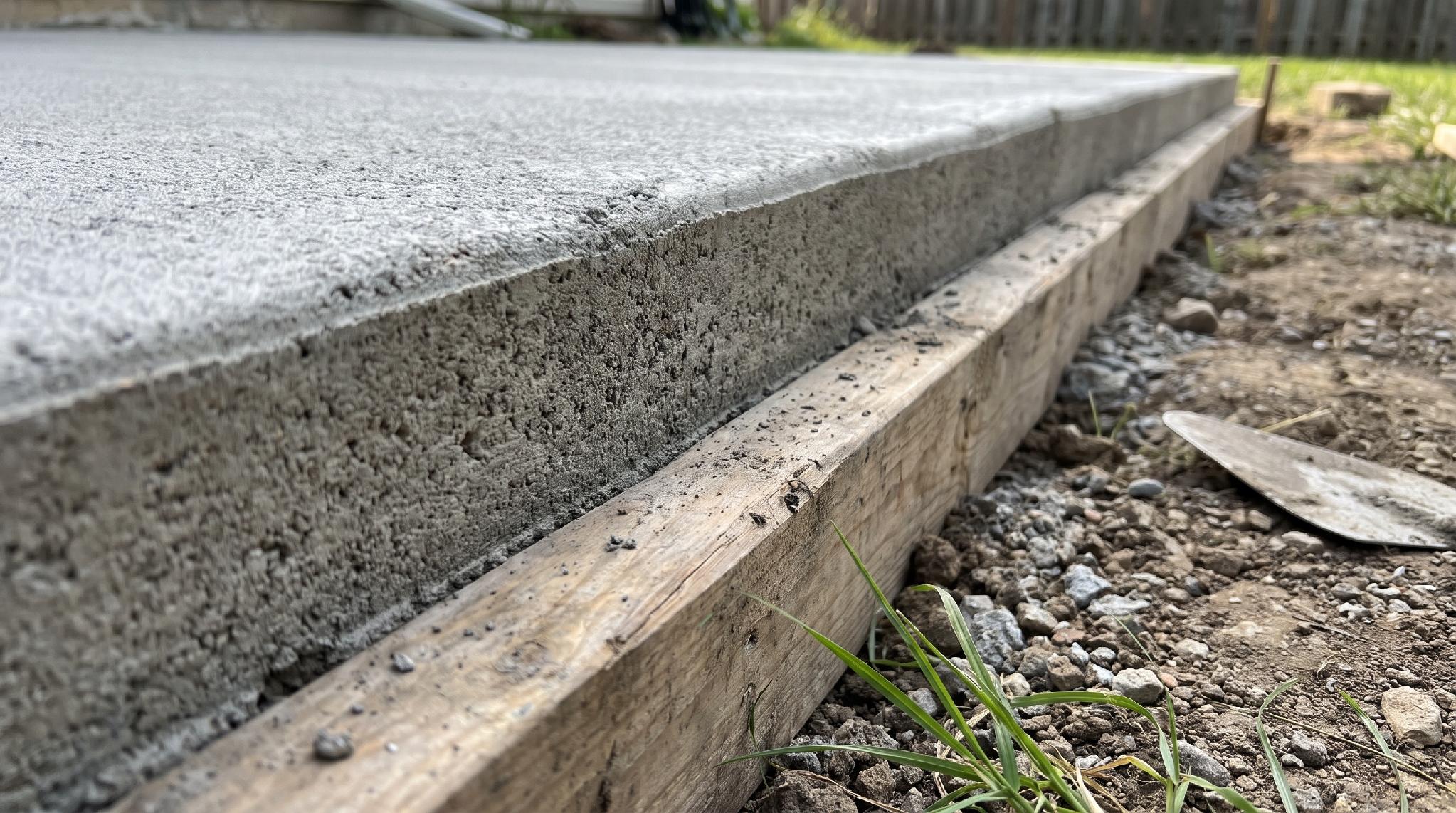
A standard concrete patio should be 4 inches thick for normal residential use. Some pros treat 3.5 inches as an absolute minimum.
Going from 3.5 to 4 inches adds real resistance right where patios usually fail first: at the edges and under furniture legs, where the load concentrates on a small footprint. For the cost of a little extra concrete, that’s a cheap trade.
That number covers regular patio use. Furniture, foot traffic, a grill, everyday outdoor living all fall within it.
It’s not built for heavy, concentrated weight. That’s where the math starts to change.
A thicker slab isn’t just “more concrete.” It spreads weight across a wider area underneath it.
Think of it like a bridge beam: a thin one bends under a heavy load, a thick one doesn’t.
That’s why concentrated weight in one spot, like a hot tub leg or a tire, needs more thickness than weight spread evenly across furniture feet. The slab has to resist bending right at that point, not just hold up on average.
When to Increase the Thickness
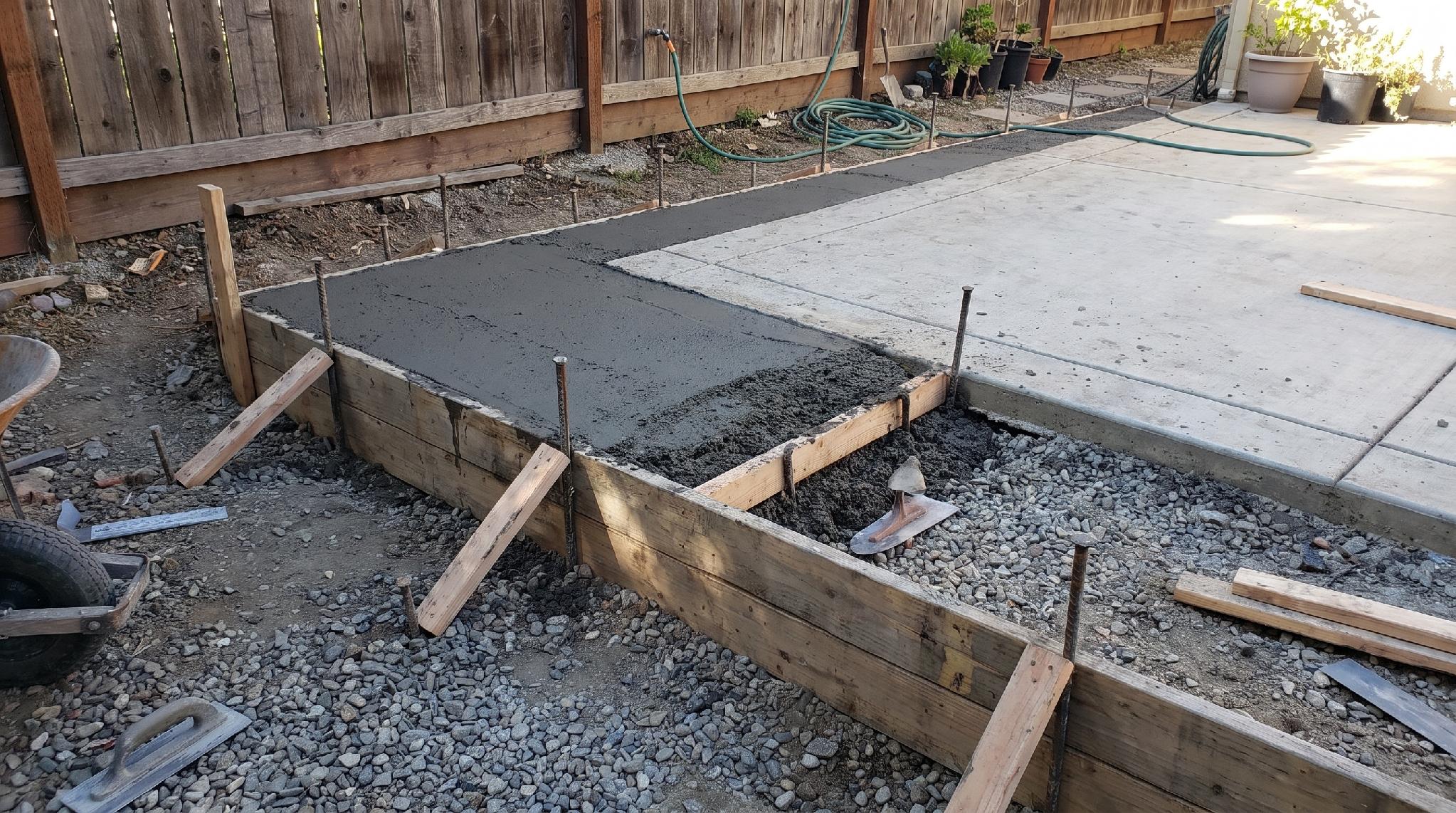
The 4-inch standard stops being enough the moment something heavy and stationary goes on top of it.
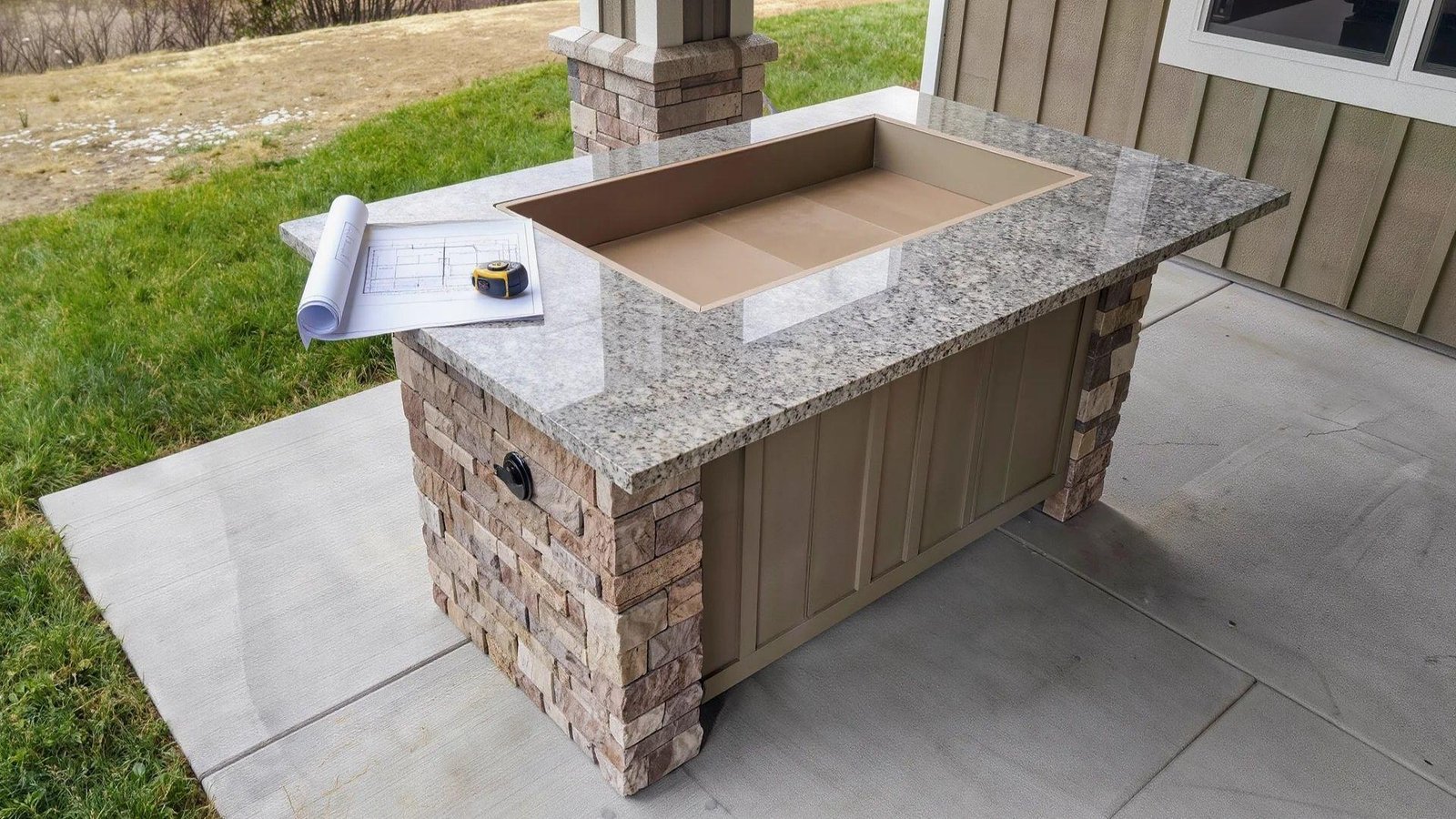
Plan for 5 to 6 inches if you’re adding a large hot tub, a built-in stone outdoor kitchen, or a heavy smoker. These items concentrate weight in one spot for years at a time.
A standard slab can crack or settle under that kind of sustained load. The extra thickness gives it enough mass to resist bending right under the load point.
A thicker mix also costs more in material and labor. It’s worth it under a hot tub or kitchen, but there’s no reason to over-thicken the rest of the patio where it’s not needed.
Other Conditions That Change the Right Thickness
Heavy, stationary loads aren’t the only reason to adjust your thickness. What’s under the slab and what crosses over it both matter just as much.
Soil Type and Climate
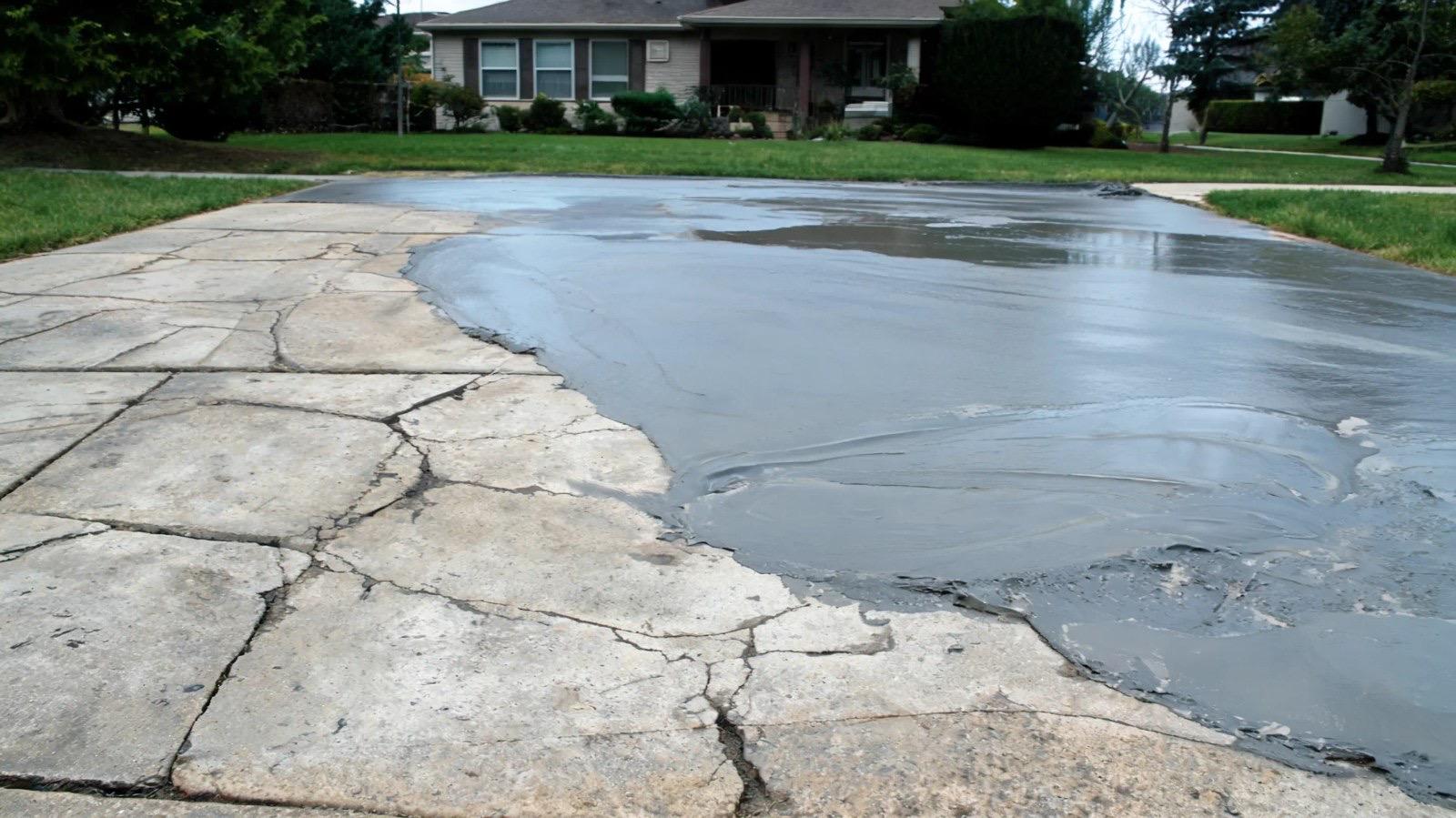
Soft, loose, or poorly draining soil moves more than firm soil does. That movement is what cracks a slab, not the weight sitting on top of it.
If you’re in a freeze-thaw climate, the ground underneath expands and contracts with every hard freeze. A slab poured over unstable or shifting soil benefits from going closer to 5 inches, even without any heavy fixtures on it.
If your soil is sandy, rocky, or known to be stable, the standard 4 inches holds up fine. A quick check with a local contractor on your soil type is worth doing before you pour.
Vehicle and Trailer Crossings
Patios aren’t usually built to carry vehicles, but some do: a mower crossing to reach the backyard, or an occasional trailer.
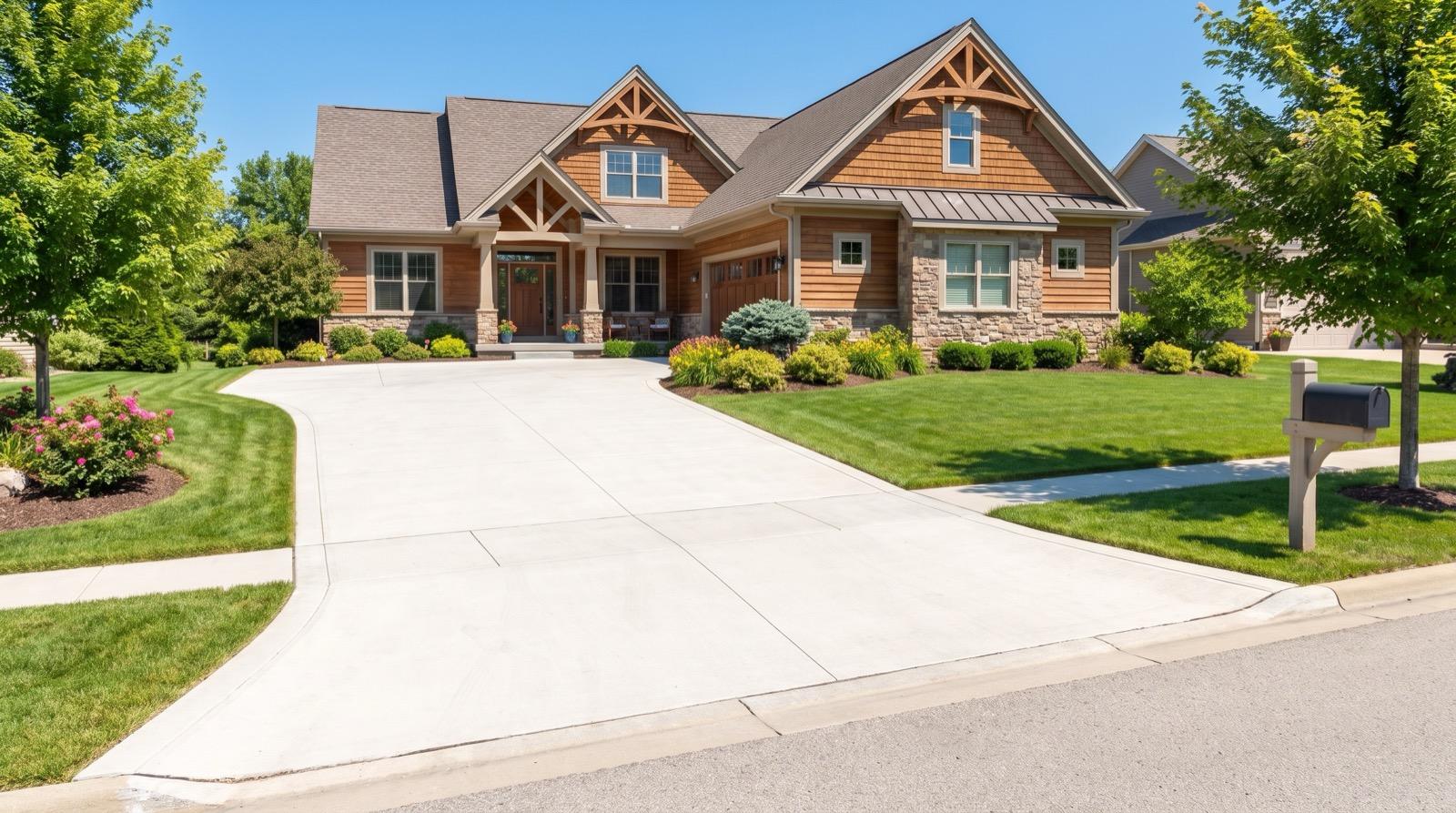
If that’s part of your plan, treat that section more like a light driveway. 4.5 to 5 inches is the right range for occasional light vehicle or trailer crossings.
This only applies to the section that gets crossed. The rest of the patio can stay at standard thickness.
Getting the Subbase and Reinforcement Right
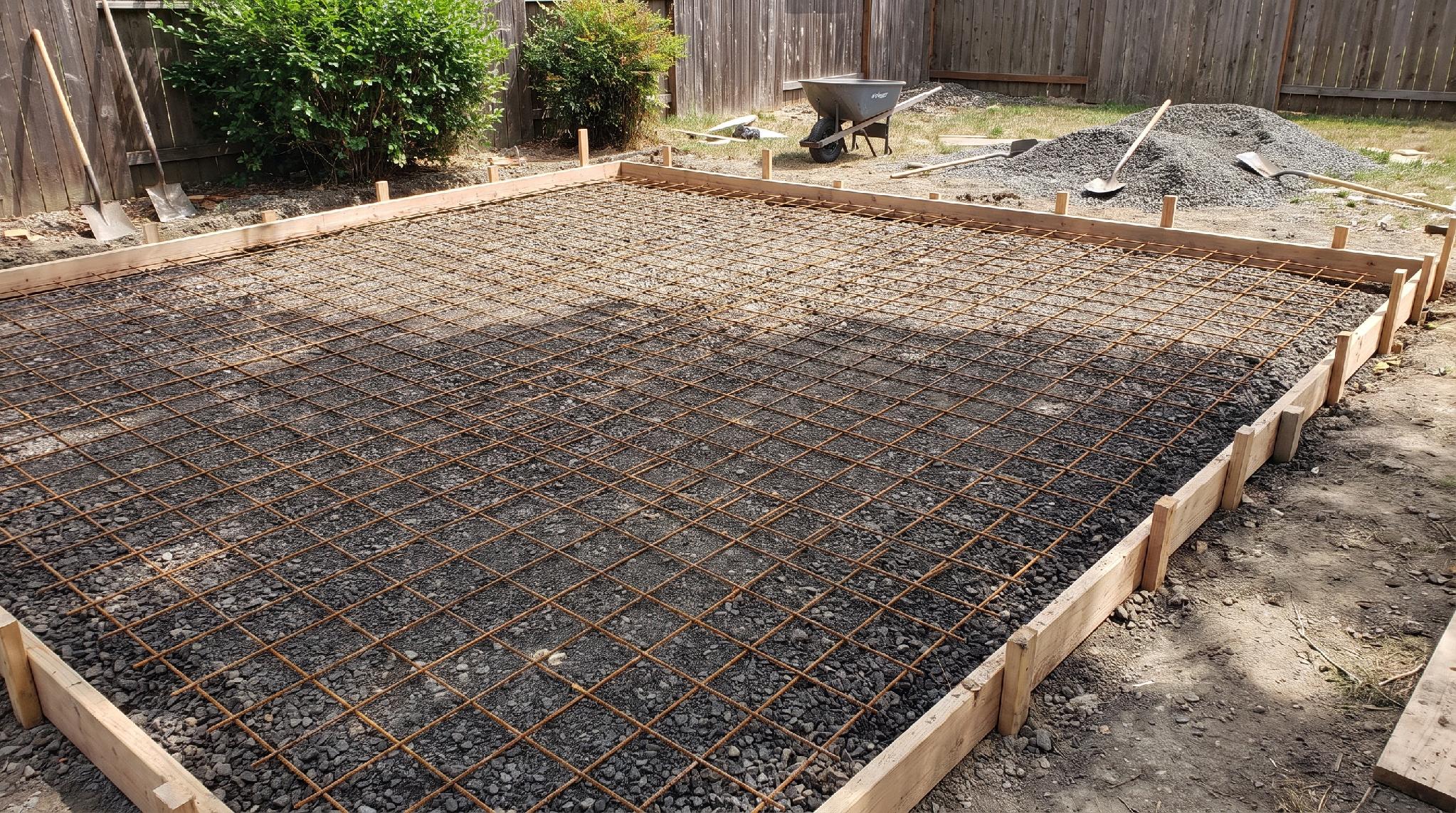
Thickness alone doesn’t hold a patio together. What’s underneath and inside it matters just as much, and it’s where most patio failures actually start.
A solid patio pour comes down to a few things working together:
- Gravel base: at least 4 to 6 inches of crushed gravel, compacted well, to keep the soil from shifting and taking the slab with it
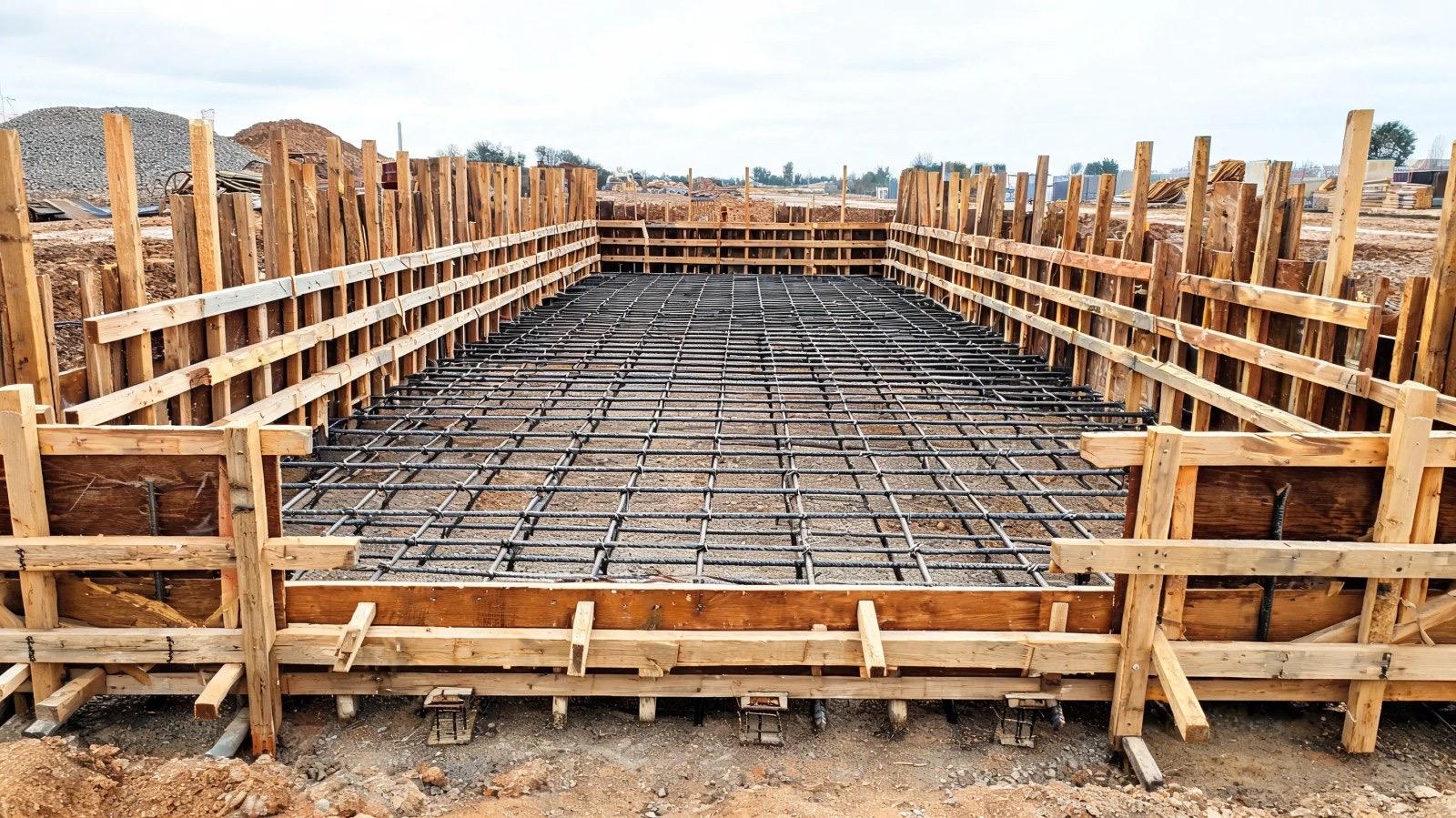
- Reinforcement: wire mesh or rebar inside the concrete, holding everything together if a crack does form, especially under hot tubs, kitchens, or heavy crossings
- Mix strength: a 4,000 PSI mix is a common standard for residential patios, and a stronger mix helps the slab handle more stress without adding thickness
- Control joints: cut every 8 to 10 feet, giving the concrete a planned place to crack instead of cracking randomly
- Sealing: wait around 28 days after the pour, once the concrete has fully cured, before sealing it against stains
A thick slab over a loose, uncompacted base will still crack. A properly prepared base under a slightly thinner slab often outlasts it.
The Bottom Line
A concrete patio runs 4 inches thick for standard use, climbing to 5 or 6 inches wherever real weight concentrates on it.
Match the thickness to what’s actually going on top, account for your soil and climate, and get the gravel base right. Do that, and the patio holds up for decades.
Frequently Asked Questions
How Thick Should the Base Be Under a Concrete Patio?
Plan for at least 4 to 6 inches of compacted crushed gravel under the slab. This base prevents the soil beneath from shifting, which is one of the most common reasons a properly poured patio still cracks.
Do Concrete Patios Need Rebar?
Not always. A standard 4-inch patio for everyday use often gets by with wire mesh instead. Rebar becomes worthwhile in thicker sections carrying real concentrated weight, like under a hot tub, kitchen structure, or vehicle crossing.
Does Soil Type Affect Concrete Patio Thickness?
Yes. Soft or shifting soil, and freeze-thaw climates, can crack a slab even at standard thickness. Going closer to 5 inches, or improving the base underneath, helps offset unstable soil conditions.
How Much Does a Concrete Patio Cost by Thickness?
Cost rises with thickness, since more material and labor go into a 5 to 6-inch pour than a standard 4-inch one. Local rates vary, so get a quote from a contractor for an accurate number.