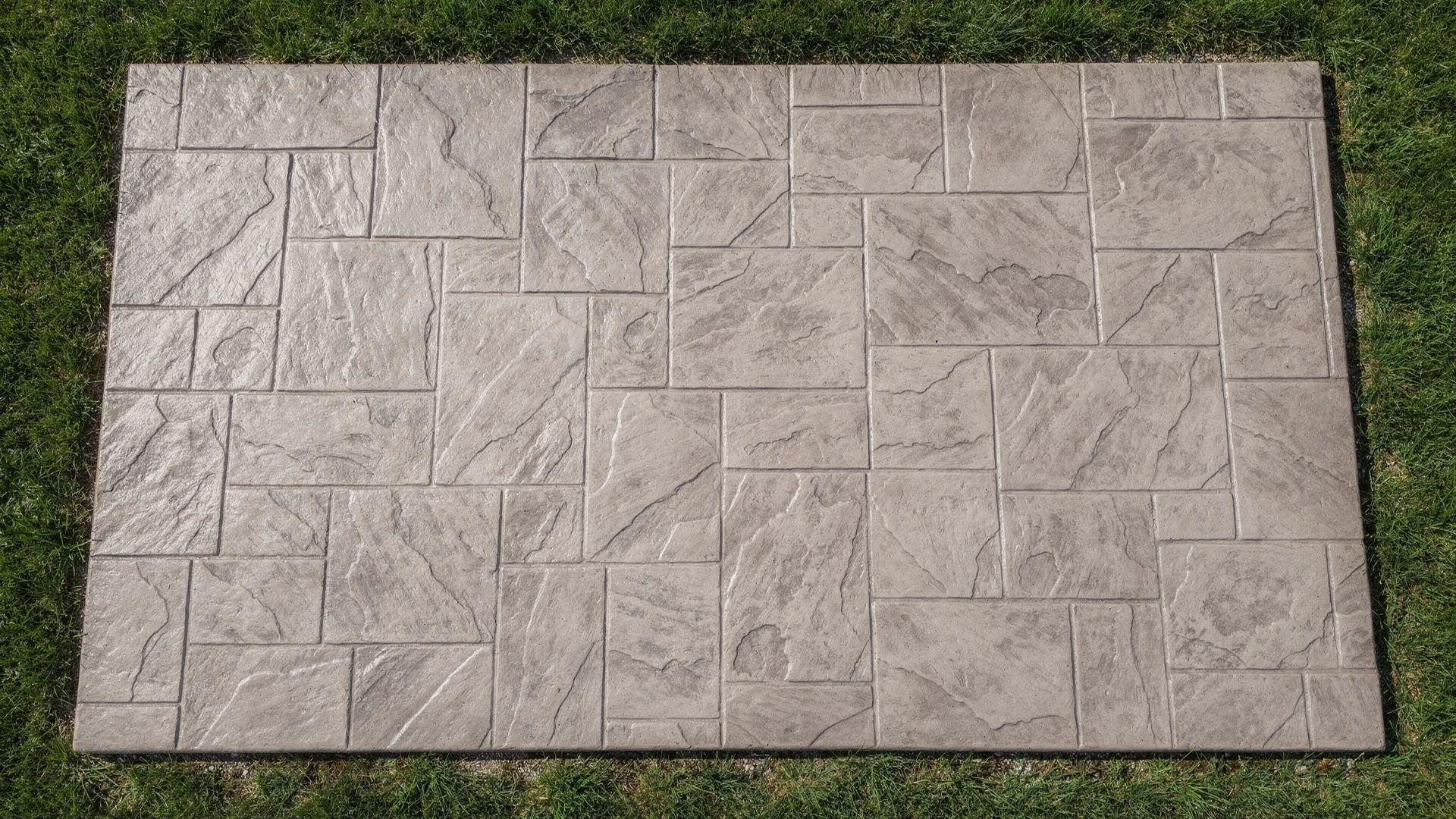


Now, I'll tell you, everybody throws a bag of rock salt down on an icy driveway, that's just a normal winter thing to do, nobody thinks twice about it.
Come spring, though, some of these folks are out there looking at a driveway that's flaking apart like it's shedding a layer of skin, and they got no idea why.
That's deicing salt doing its work. I'll tell you that right now, it's the number one reason concrete breaks down every single spring, more than anything else I run into.
Here's the thing though, once you understand what's actually happening down under that surface, it's a preventable problem. You don't have to just accept it.
So let me walk you through how salt gets after concrete, what the warning signs look like, and what actually protects a slab.
Does Salt Damage Concrete?
Yes, it does. Deicing salt damages concrete by pulling moisture into the slab and making your freeze-thaw cycles a lot worse than they'd otherwise be. That's what's wearing the surface down over time.
Now here's the part most people get wrong, and I hear this a lot. Salt doesn't dissolve concrete on contact, it's not acid, it's not eating through it like that.
Plain rock salt, sodium chloride, it just sets up the conditions for the damage. It isn't attacking the material directly.
Other deicers are a whole different animal, you know. Calcium chloride and magnesium chloride, those actually react with the concrete itself.
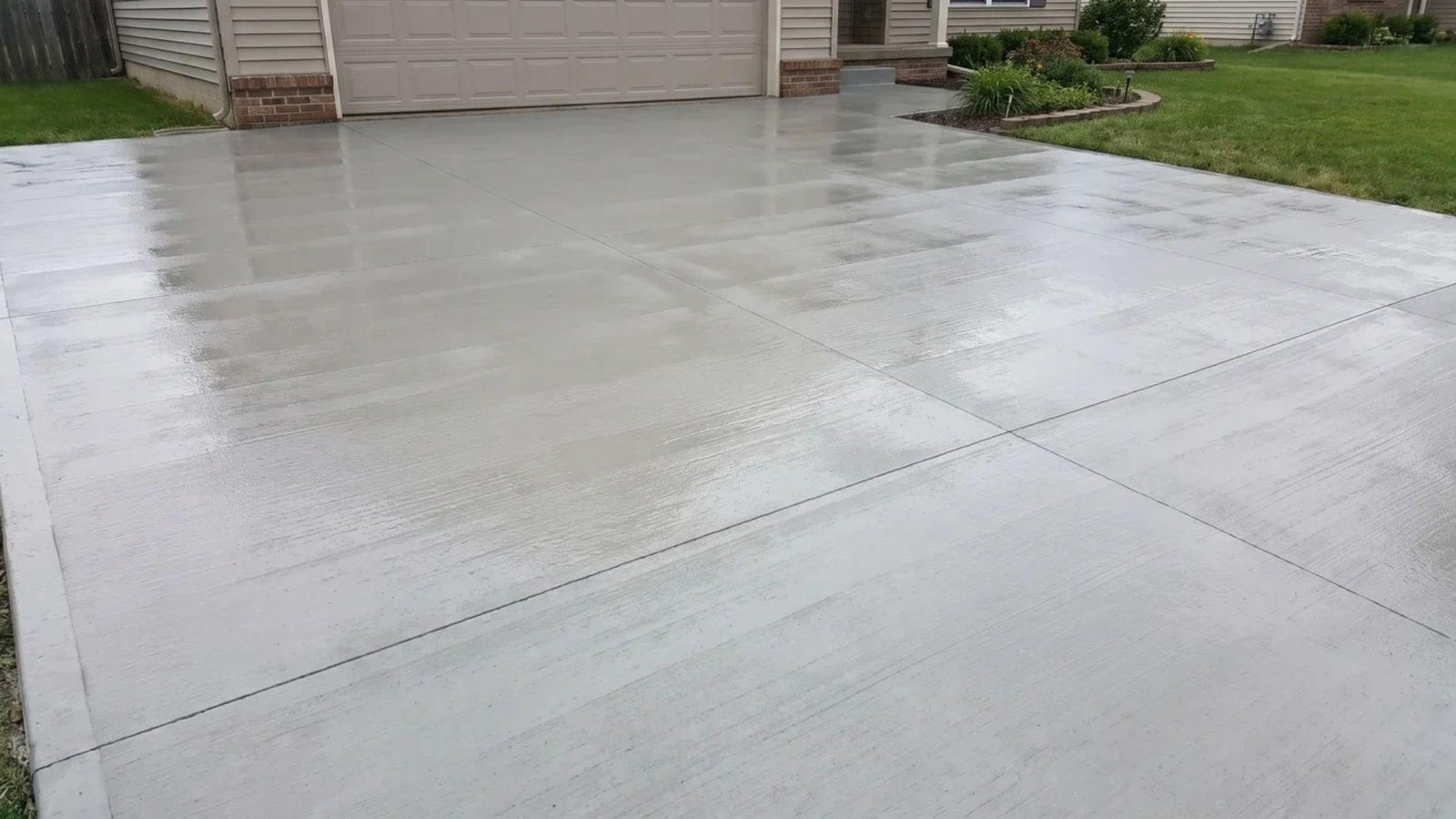
I've seen two driveways, poured the same week, same mix, same crew, and five years out they look like they came from two different jobs entirely.
One owner salted heavy every winter. The other one hardly touched the stuff. The salted one lost its surface years sooner. Same concrete, same weather, same everything, salt was the only thing that changed.
One thing matters more than almost anything on this job, and that's how old the concrete is.
New concrete, under a year old, is far more vulnerable than cured concrete, because it's still curing and it's holding more moisture.
Driveway poured last fall? Keep salt off it this winter. No exceptions on that one, I don't care how icy it gets.
How Salt Damages Concrete

Salt doesn't take a slab out in one hit, now. It runs through a few different processes, and they stack right on top of each other. You know the sequence, the prevention steps later on actually make sense to you.
Moisture and Absorption
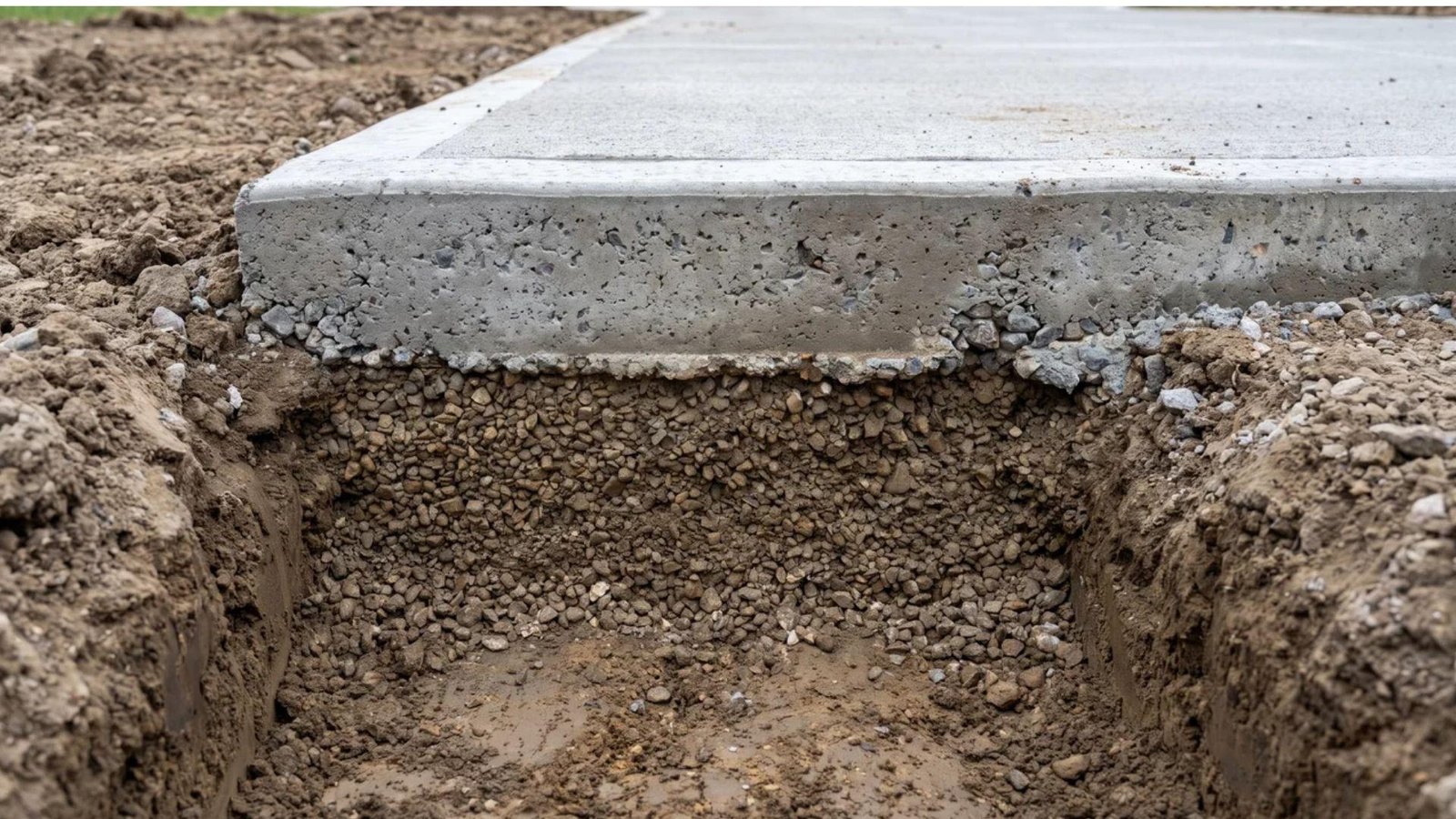
Concrete's porous, so it soaks up water like a sponge, that's just how it's made.
Salt makes that worse two ways: it pulls more moisture into those pores, and it lowers the freezing point of the water that's already sitting in there.
That second part, that's the one people miss. Lower freezing point means more liquid water sitting inside that slab, longer, at temperatures that would normally have it locked up solid. And that water's just sitting there, waiting on the next cold snap to come through.
Freeze-Thaw Pressure
This is where most of the damage actually happens, I'll tell you that.
Water trapped in the pores freezes, it expands, and that expansion puts real pressure on the concrete around it.
One freeze cycle isn't going to crack a driveway, now. But you run that cycle dozens of times over a winter, and the surface layer starts cracking and flaking apart.
Salted concrete and unsalted concrete age different for exactly this reason.
Salt isn't adding one freeze-thaw event, it's multiplying how many the slab goes through, because it keeps generating liquid water at temperatures that would otherwise just stay frozen solid.
Chemical Reactions
Not every deicer behaves the same once it's in that concrete, and this is where the type you buy actually starts to matter.
Plain rock salt barely reacts with cured, hardened concrete. The damage you get from it is almost all freeze-thaw pressure, not some chemical attack.
Calcium chloride and magnesium chloride, they're different. They react with compounds inside the concrete and form expanding crystals, calcium oxychloride is the one you'll hear named.
Those crystals push the material apart from the inside out. Slower than freeze-thaw, but it weakens the slab at a deeper level.
There's a second risk with them chemical deicers too.
On reinforced concrete, they can corrode the rebar buried in there. Rusting steel expands inside the slab, and now you've got another source of pressure stacked right on top of the freeze-thaw damage that's already in progress.
So the type of salt ain't some minor detail. It decides whether you're dealing with freeze-thaw wear by itself, or freeze-thaw plus a direct chemical attack on the concrete and the steel inside it.
Signs of Salt Damage
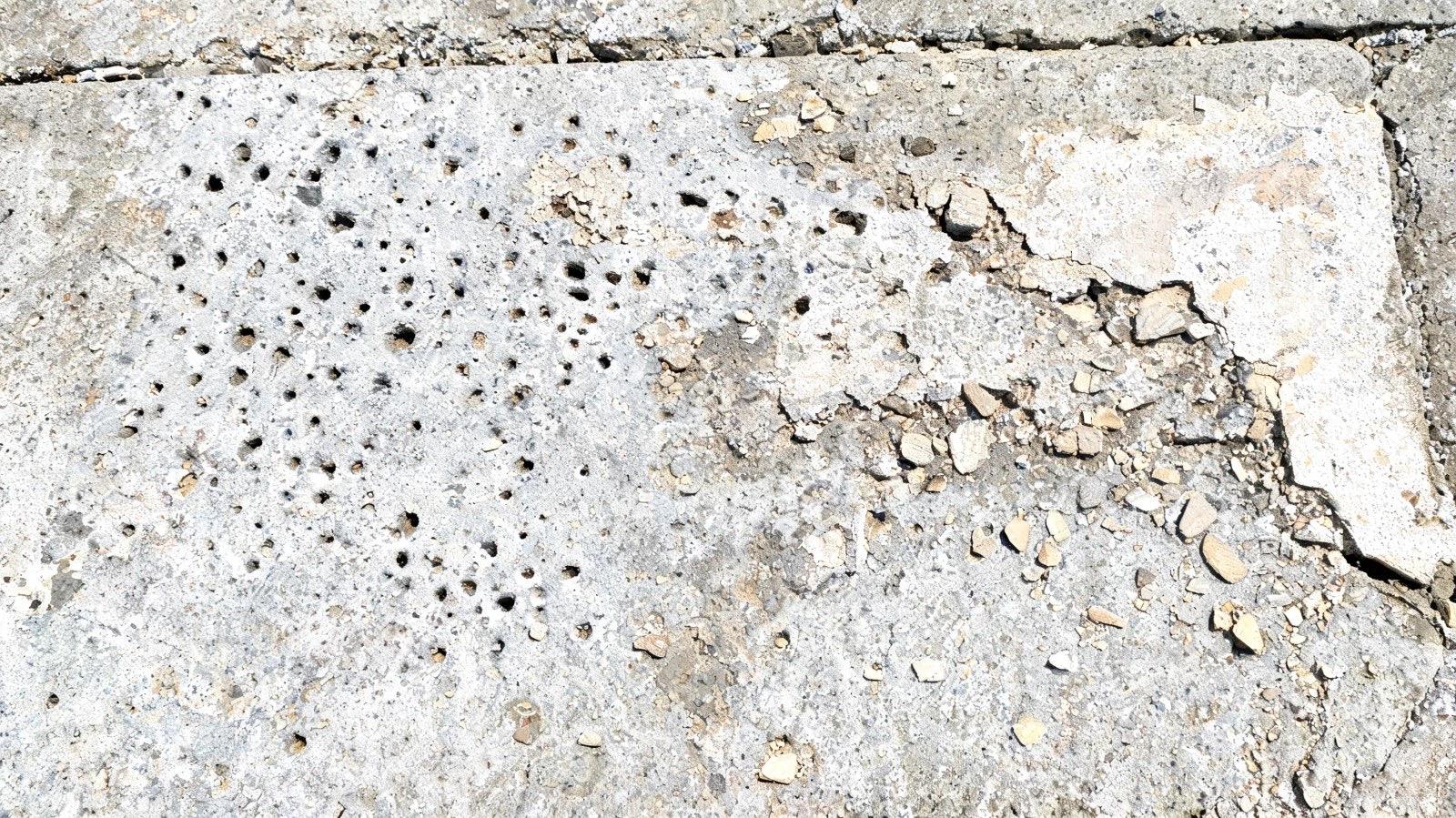
Salt damage shows up on the surface first, that's one thing in your favor. Once you know what you're looking at, it ain't hard to spot.
Check for these, especially right after the first spring thaw following a salty winter.
- Scaling and spalling: the top layer flakes, peels, or pops right off.
- Pitting: small holes and craters across the surface.
- A rough, crumbling texture where the concrete used to be smooth.
- Fine surface cracks spreading as the damage goes deeper.
If you're seeing flaking or pitting, I'll tell you, the surface is already breaking down on you. Catch it early and it stays a surface problem, instead of getting down into the concrete underneath.
How to Protect Concrete From Salt
You're not going to avoid ice, now, let's be honest about that. But you can shield the concrete from what the salt's doing to it, and it don't take much to do it.
Sealing's the single best move you can make, I'll tell you that straight. A penetrating silane/siloxane sealer blocks water and salt from soaking into them pores in the first place, rather than just sitting on top like a film-forming sealer does.
Past that, a few more habits make a real difference:
- Use sand, grit, or cat litter for traction instead of rock salt.
- Choose a gentler deicer, like calcium magnesium acetate (CMA), when you need one.
- Rinse the concrete in spring to wash away leftover salt.
- Keep salt off new concrete for its entire first winter.
Do those four things and your concrete shrugs off winters that would tear an unprotected slab apart. Skip them, and the salt just keeps chewing away, every single year, I've seen it happen too many times.
The Bottom Line
So, does salt damage concrete? Yes, it does. Mainly by driving moisture into them pores and turning your freeze-thaw cycles into something a lot more destructive than they'd otherwise be.
Seal it, go easy on the rock salt, rinse it clean come spring, keep salt off anything new. That's what gets you a driveway that holds up through the winters that quietly wreck the ones nobody bothered protecting.
Frequently Asked Questions
Does All Salt Damage Concrete?
Most deicing salts cause some damage, but not equally, now. Rock salt works mainly through freeze-thaw pressure, not a direct chemical attack. Calcium and magnesium chloride are harsher, they react with the concrete direct and can corrode the rebar inside it. Calcium magnesium acetate is the gentler option if you need something easier on the slab.
How Do You Protect Concrete From Salt Damage?
Seal it with a quality sealer so water and salt can't soak in. Use sand or a gentler deicer instead of rock salt, rinse off leftover salt in spring, and never salt new concrete its first winter. Those four together, they prevent most of the damage you'd otherwise see.
Can Salt-Damaged Concrete Be Repaired?
Yes, if you catch it early. Surface spalling and pitting can be patched with a resurfacer, then sealed to stop it from happening again. Damage that's gone deep into the slab, now that's a different job, that's a professional overlay or a replacement of the section.
Is It Safe to Use Salt on New Concrete?
No. New concrete's still curing, and that makes it a lot more prone to salt and freeze-thaw damage. Keep salt off it for the first full winter at minimum, first year if you can manage it. Sand will get you the traction in the meantime.