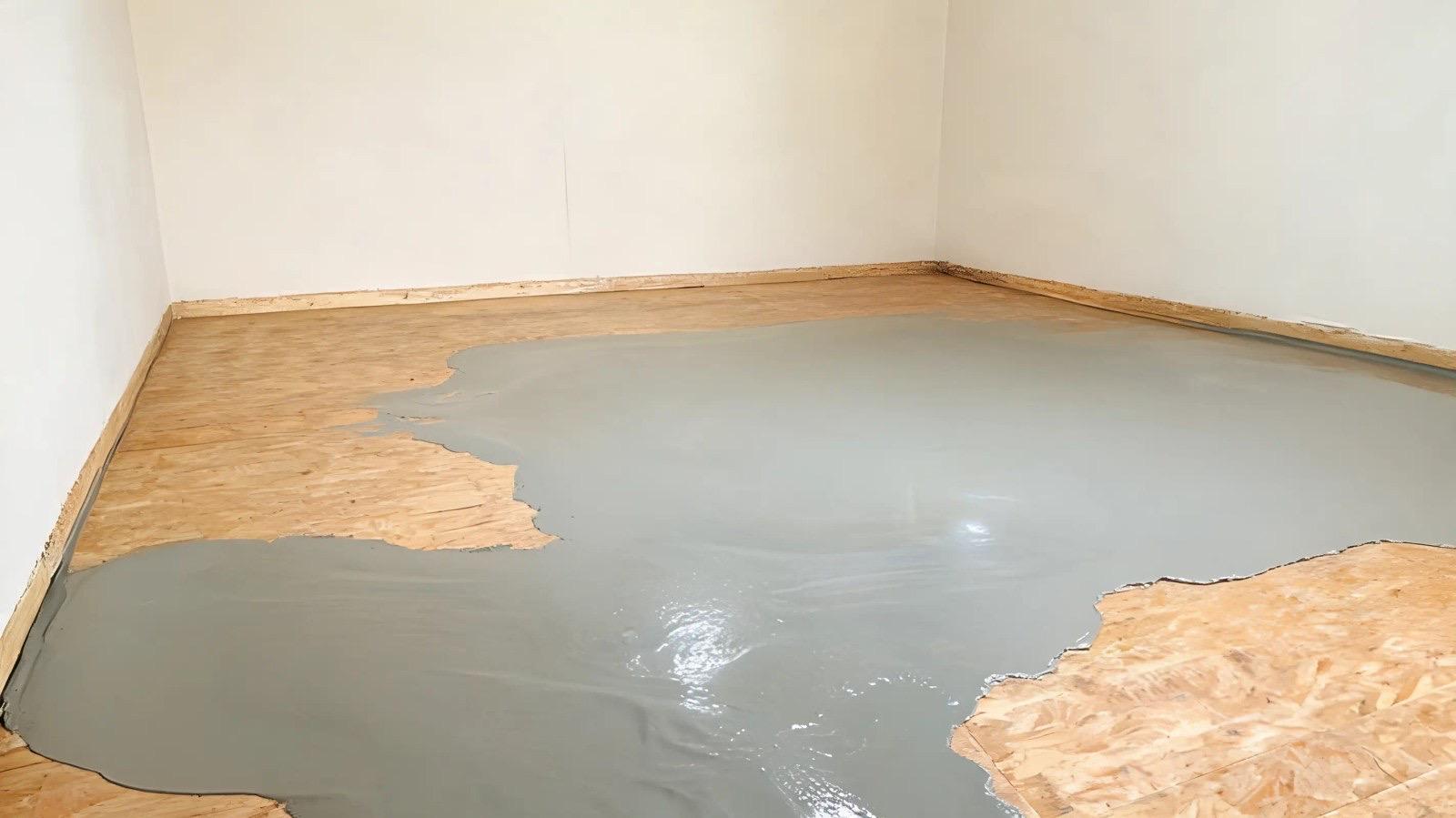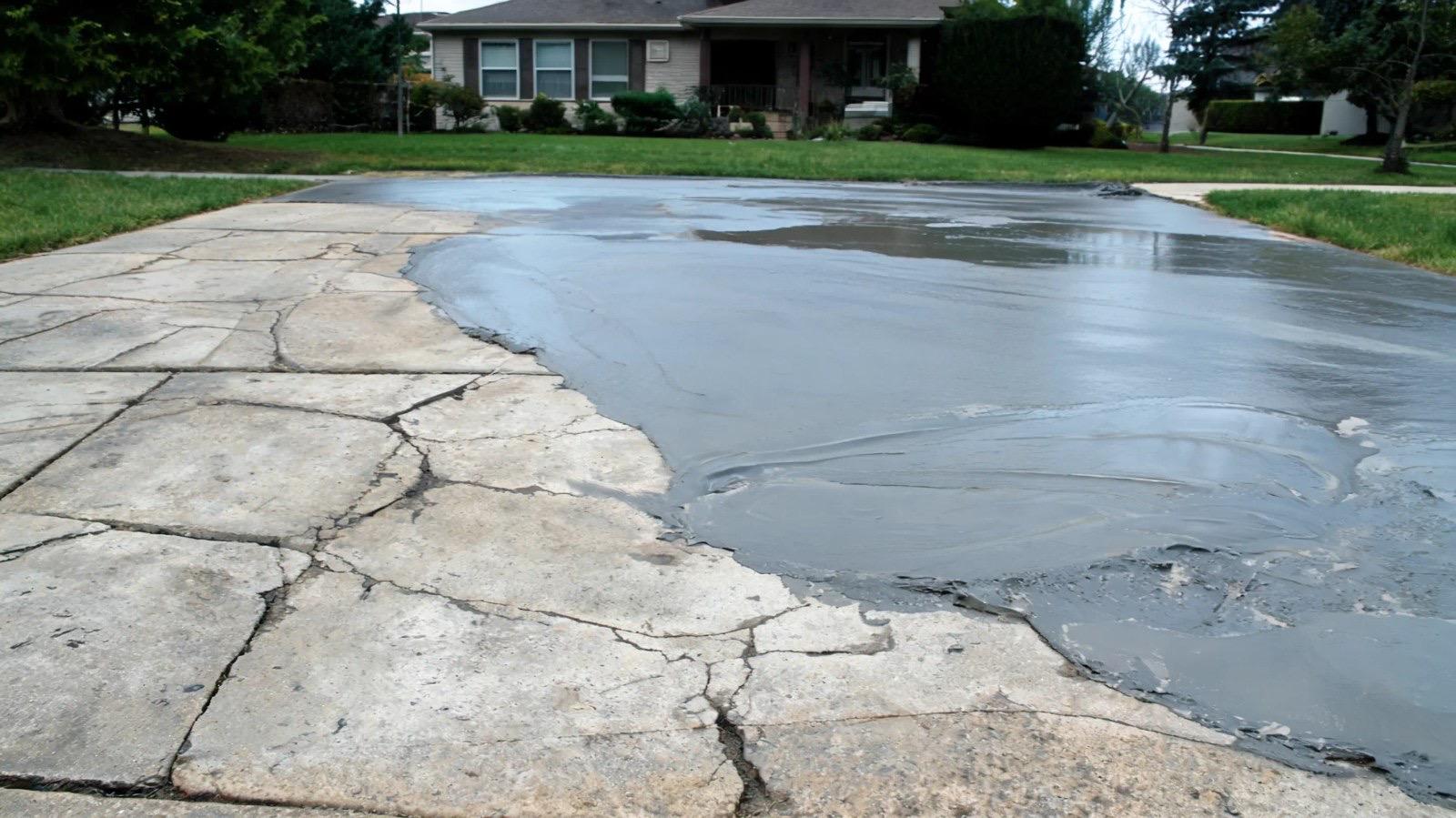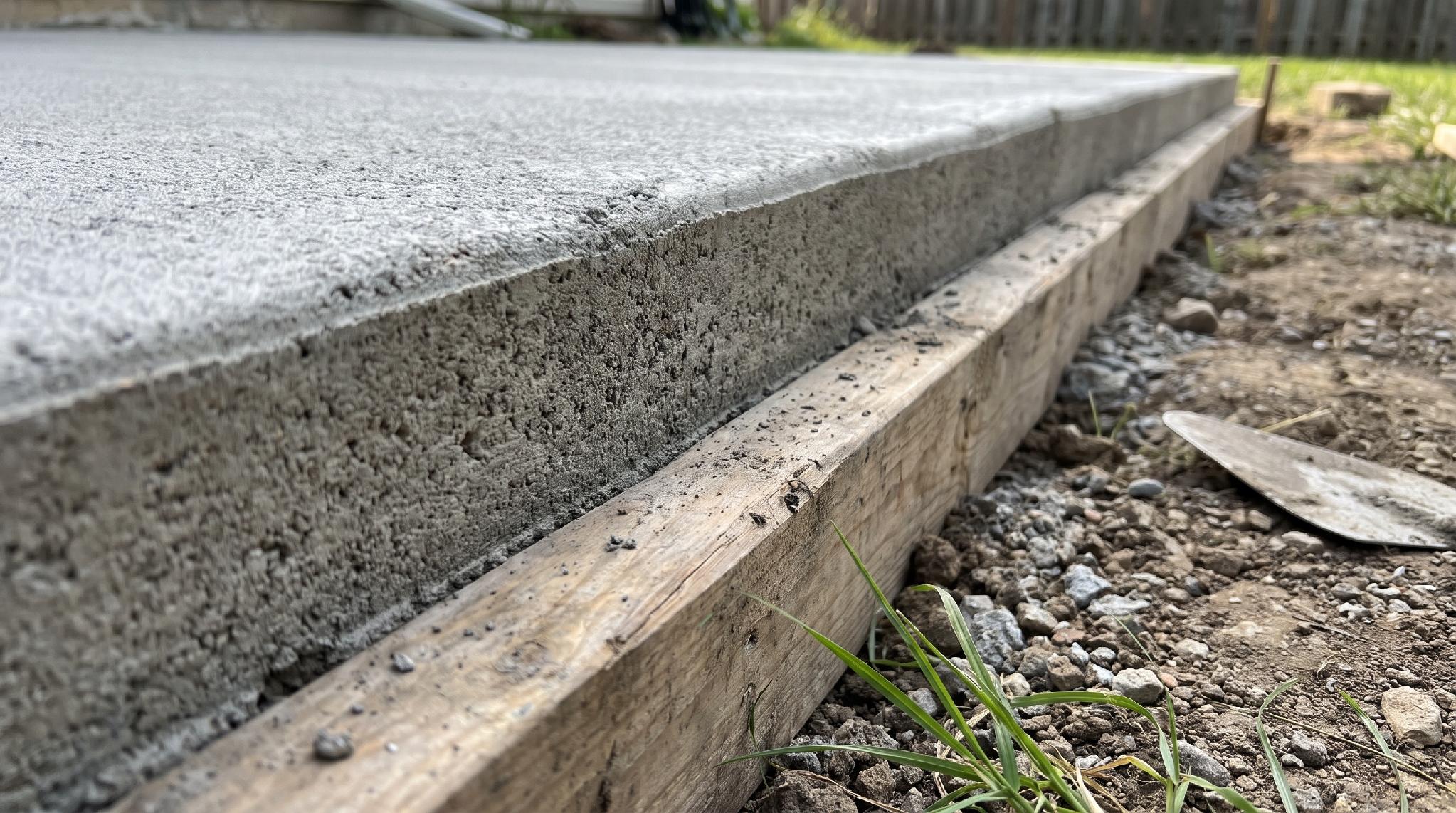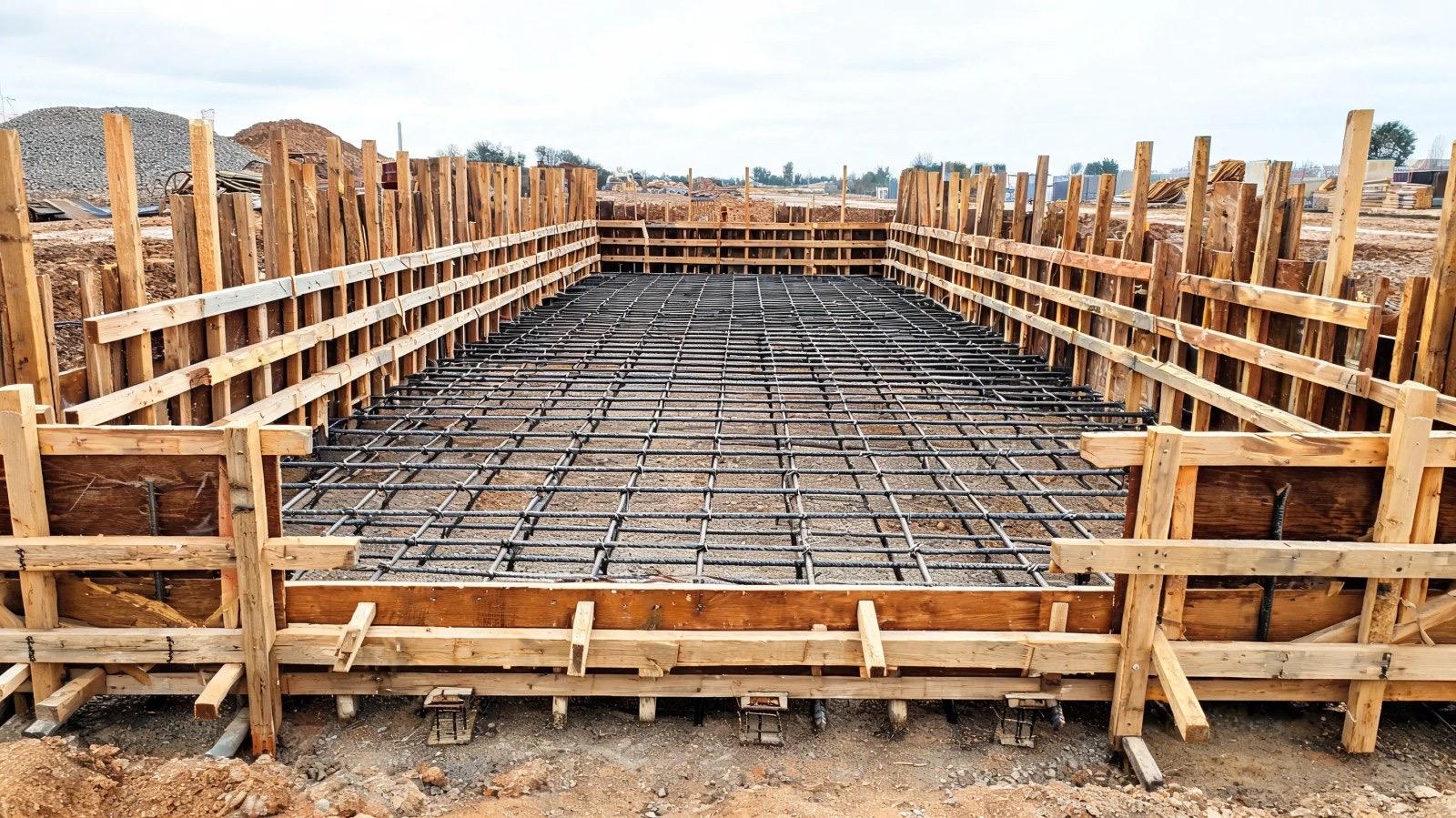
So here’s a job I think about every time this question comes up. Homeowner called me, told me he and his kid walked all over the new driveway the day after we poured it, no problem, solid as anything – so he figured that meant it was fine to back the truck up on it that weekend.
Now this is the thing I had to stop him on: walking on it and driving on it are two completely different jobs for that concrete to handle.
Walking is a day or two. Driving is a week, minimum. Anything heavy – a full month. He went ahead anyway, and that’s a story I’ll get back to.
That mix-up is an expensive one. A slab that’ll hold a couple kids running across it barefoot can still crack wide open under a car’s worth of weight. Feet and tires aren’t close to the same load.
So here’s your answer: at least 7 days before a regular car touches it, a full 28 days before anything heavy does.
Let me run you through the whole timeline, why the wait matters, and how to keep a fresh driveway in one piece while you’re getting there.
How Long Before You Can Drive on New Concrete?
This all comes down to weight. Heavier the load, longer you sit on your hands.
Here’s how it breaks down on a standard driveway pour in decent weather:
- Foot traffic: 24 to 48 hours for light walking.
- Passenger cars: at least 7 days – that’s when you’re sitting around 70% of full strength.
- Heavy vehicles: a full 28 days. Trucks, RVs, moving vans, that whole category.
So the car rolls on in a week. The moving van sits out there and waits the full month. That gap right there trips up more homeowners than anything else I run into on a job.
Now, here’s a question I get all the time: does parking count the same as driving?
It does. Doesn’t matter if the wheels are turning or sitting still – that’s the full weight of the car pressing down on that slab either way.
If it’s safe to drive on, it’s safe to park on. No shorter wait just because the car’s not moving.
I treat 7 days as the earliest you’d even think about it, not the goal. Been cold out, I’m telling folks to add on more days, sometimes a good deal more.
Why Waiting 7 Days Matters
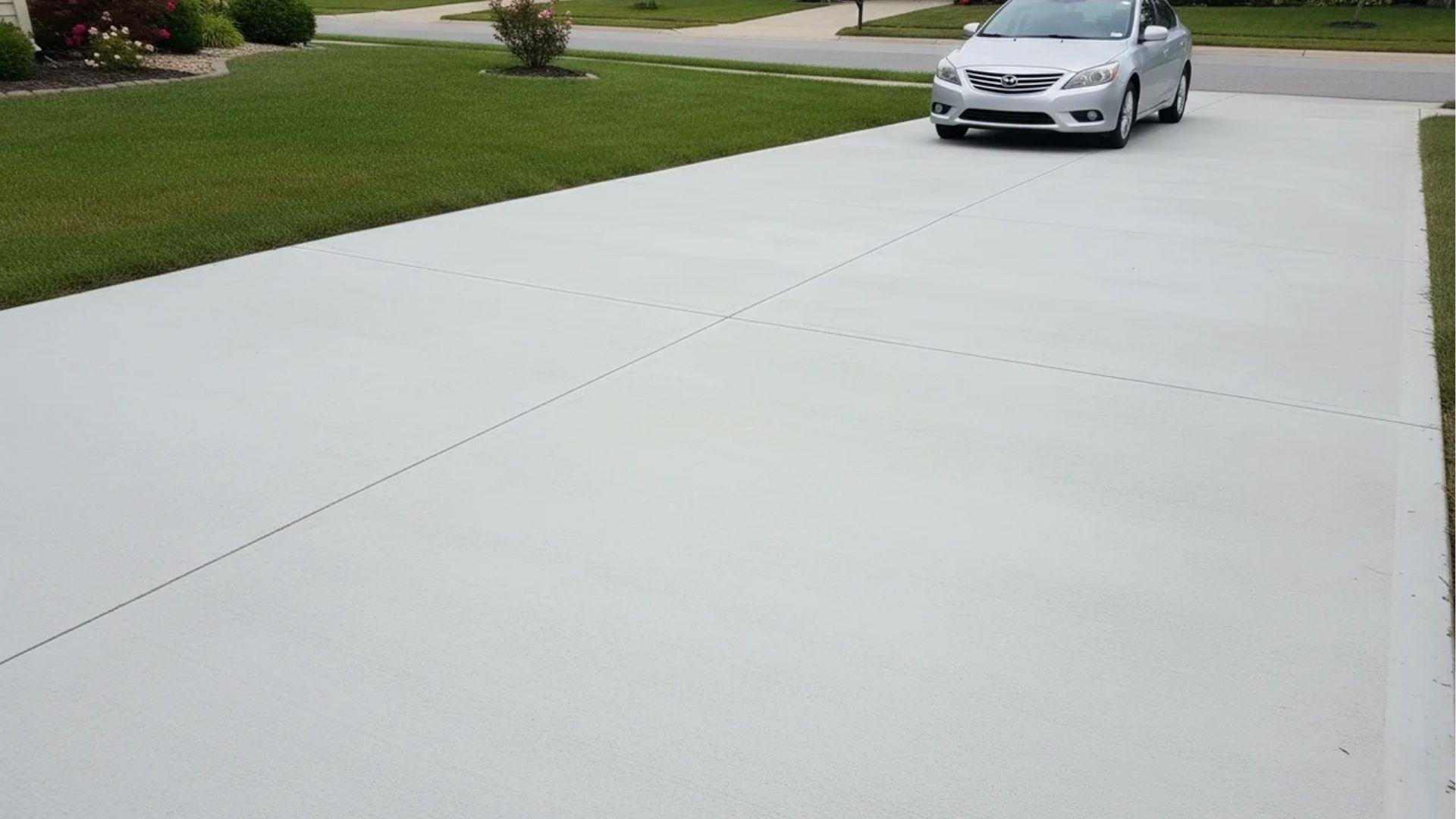
Seven days isn’t a number somebody pulled out of a hat. It’s tied to what’s actually going on inside that slab while it’s sitting there.
Concrete doesn’t get hard by drying out – that’s a mistake I hear a lot on jobs. It gets strong through a chemical reaction, hydration, where the water and the cement keep bonding for weeks after we’ve packed up and left.
That’s why a driveway can look bone-dry and finished on day three and still not be ready for a car. Dry’s got nothing to do with it. It’s how far that bonding’s come along.
By day 7, you’re generally looking at around 70% of the slab’s full strength. Usually enough to carry a car parked on it, or rolling slow across it.
Not enough for everything, though. A car rolling straight across puts even, predictable weight down – no real argument there.
Turning the wheel while the car’s sitting still is a different animal. That twists and drags at the surface instead of just pressing straight down on it.
That twisting is exactly what that last 30% of strength is holding back. It’s why a sharp turn can still scuff or gouge a driveway even after your 7 days are up.
Tight schedule or not, wait anyway. I’d rather you lose a few days now than tear out a cracked slab later. I don’t want to be fixing it in the future. I don’t want callbacks.
What Changes the Timeline
Now, that 7-day number assumes decent weather and a standard pour. A couple things can push that date out further than you’d like.
- Weather: cold, wet, or real hot conditions slow the hardening down or throw it off entirely.
- Slab thickness and base prep: a typical 4-inch driveway over a well-compacted base follows the standard timeline I gave you above.
Cold weather under 50°F slows that hydration reaction way down. Give it extra days before you drive on it – sometimes close to double what you’d wait in good weather.
Hot, dry weather works the other way. Speeds the hardening up, but it’ll dry the surface out too fast while it’s at it. That raises your odds of surface cracking if nobody’s keeping it moist.
Thickness and base prep matter just as much. Drop from a standard 4-inch pour to a thinner 3-inch slab, or set it on a soft, poorly compacted base, and you can add several extra days onto that 7-day wait before a car’s safe on it.
A mix that’s not standard works the same way. Any one of those can shift your safe wait, one direction or the other.
Your contractor tells you anything about your job being off from standard, ask him straight out how long to wait. Don’t just assume the 7-day number holds – every job’s a little different, you know?
What Happens If You Drive on It Too Soon
Driving on it early doesn’t usually mean the whole driveway caves in. What you get instead is damage to the surface – and that’s where my fella from earlier comes back in. He backed that truck up on day four. We’ll get to how that turned out.
Tire indentations: visible dips pressed right into the surface where the wheels sat.
Scuffing: scraped-up, dragged marks from tires turning or spinning.
Hairline cracks: small cracks that start out small and have a habit of spreading over time.
That damage happens because the top layer of the slab is the least cured part of the whole thing – it’s the first part that ever feels any weight or stress.
And here’s what nobody expects going in: that damage is pretty much permanent once the concrete finishes setting up around it. That’s what happened with my customer. Those tire ruts were there to stay.
Waiting longer after the fact won’t smooth it out, won’t heal it, nothing. Only real fix at that point is patching or resurfacing the spot that got damaged.
Protecting a New Concrete Driveway
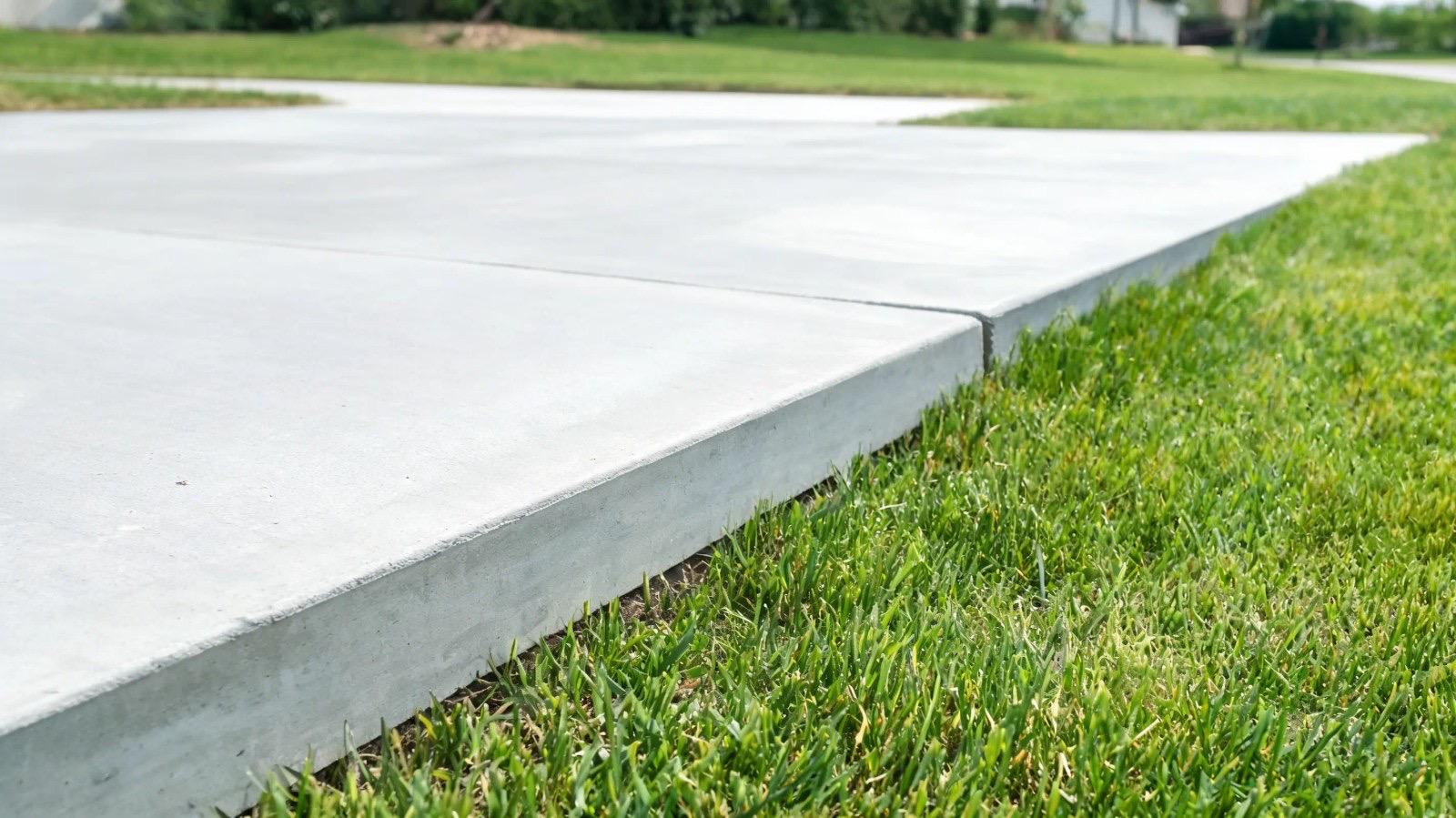
Even once you hit that 7-day mark, a new driveway still needs looking after. It keeps gaining strength for weeks past the point it’s technically drivable.
These couple rules are the difference between a driveway that holds up for decades and one that starts cracking early. Here’s the thing – most of the damage I get called out to fix traces straight back to somebody skipping one of these two.
- Stay off the edges: keep tires away from the slab’s edges for about 30 days. Edges dry out faster and cure slower than the middle of the slab does, so they stay the weak point longer.
- Skip sharp turns: keep that wheel straight when you’re parking or pulling in, for the first few weeks at least.
Follow those two and the driveway sets up strong. The edges and that first month – that’s where just about all the risk lives.
The Bottom Line
How long before you can drive on new concrete comes down to one thing: weight. Cars wait at least 7 days. Heavy vehicles wait the full 28.
Give a fresh driveway that time, keep your tires off the edges for a month, skip the sharp turns early on. Respect the wait and that concrete will carry your car for decades. I’ve seen it plenty of times.
That’s what it takes – get the wait right and the rest of it takes care of itself.
Frequently Asked Questions
Can You Drive on Concrete After 3 Days?
Not with a car, no, I wouldn’t risk it. At 3 days you’re only sitting around 40% of full strength – nowhere near enough for a vehicle. Light foot traffic’s fine at that point. But hold off the full 7 days before you park or drive a passenger car on it.
Is Parking on New Concrete Different From Driving on It?
No, and I get asked this one constantly. Both of them put the full weight of the car down on that slab, so the wait’s identical either way. The only extra risk with driving is turning the wheel – that can scuff fresh concrete even after you’ve waited your 7 days.
What Happens If You Drive on Concrete Too Soon?
You can crack the slab, press tire ruts right into it, and weaken the whole surface. The concrete just hasn’t gotten to the strength it needs to carry a car yet. That early damage usually can’t be fixed, and it shortens the life of the whole driveway.
Do You Need to Water New Concrete Before Driving on It?
Yes, especially if it’s hot out. Keeping that surface moist those first several days helps it cure even all the way through and get to full strength. Skip that step and you’re raising your odds of surface cracking, even if you do wait the full 7 days before you drive on it.