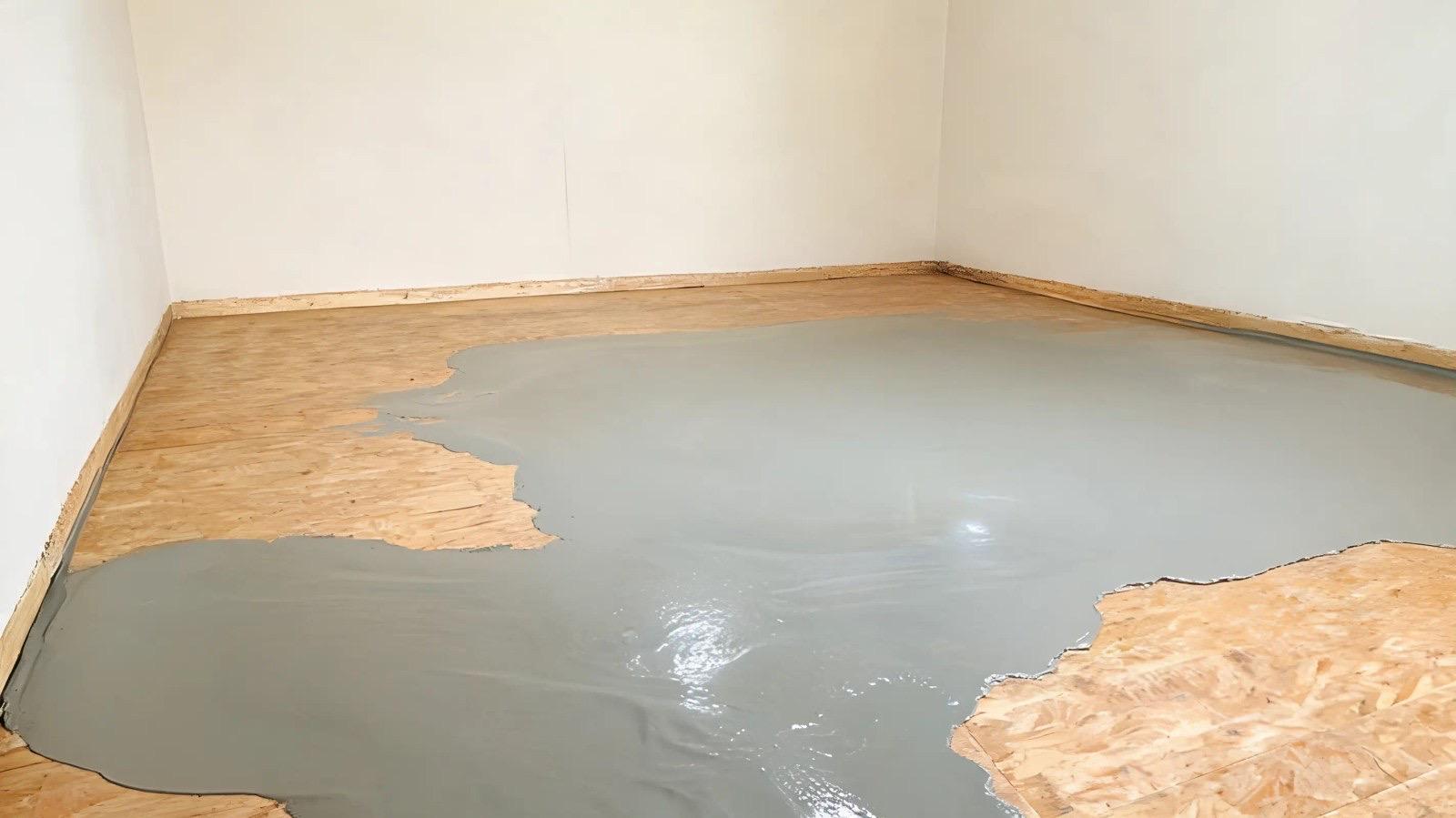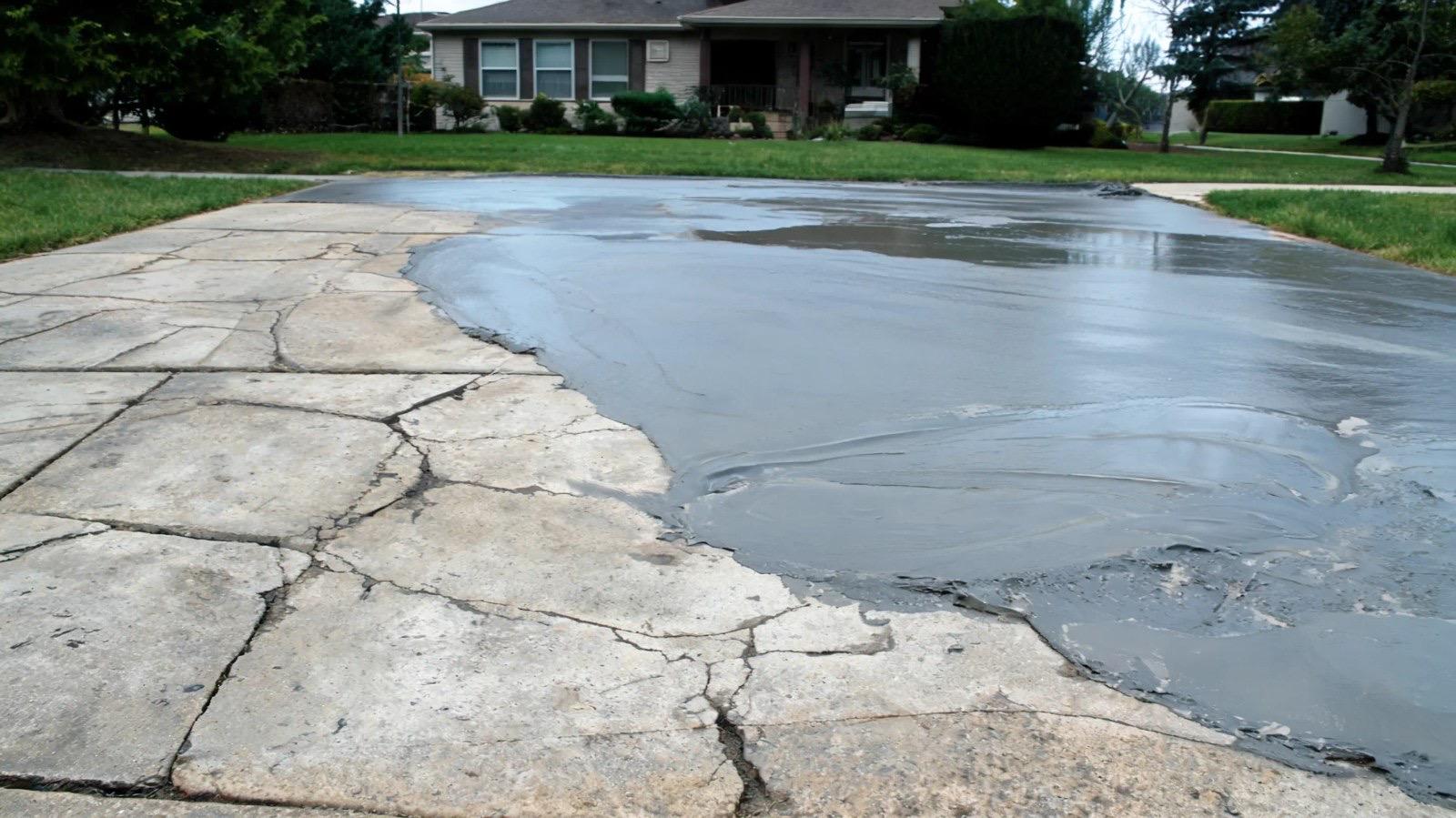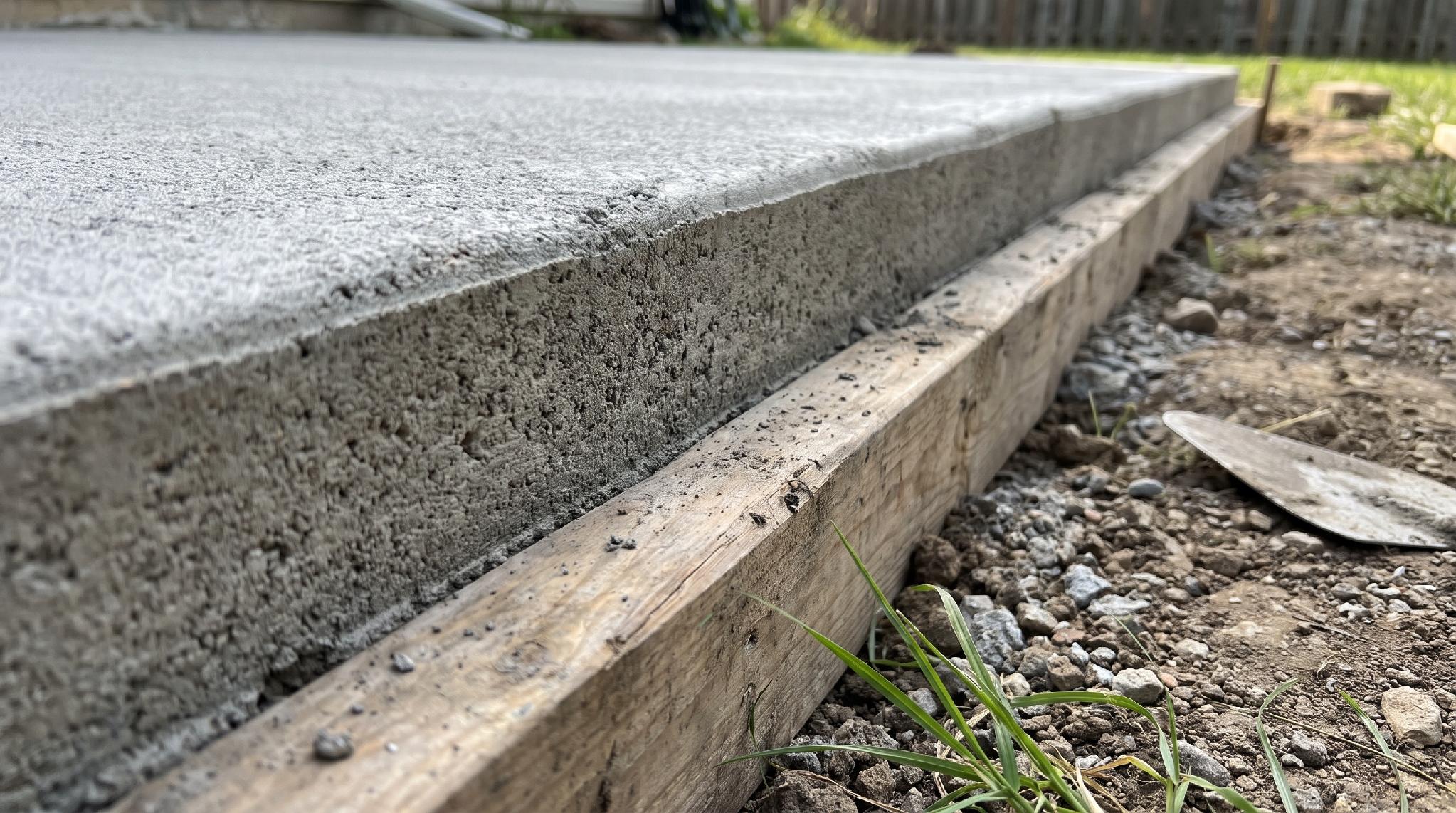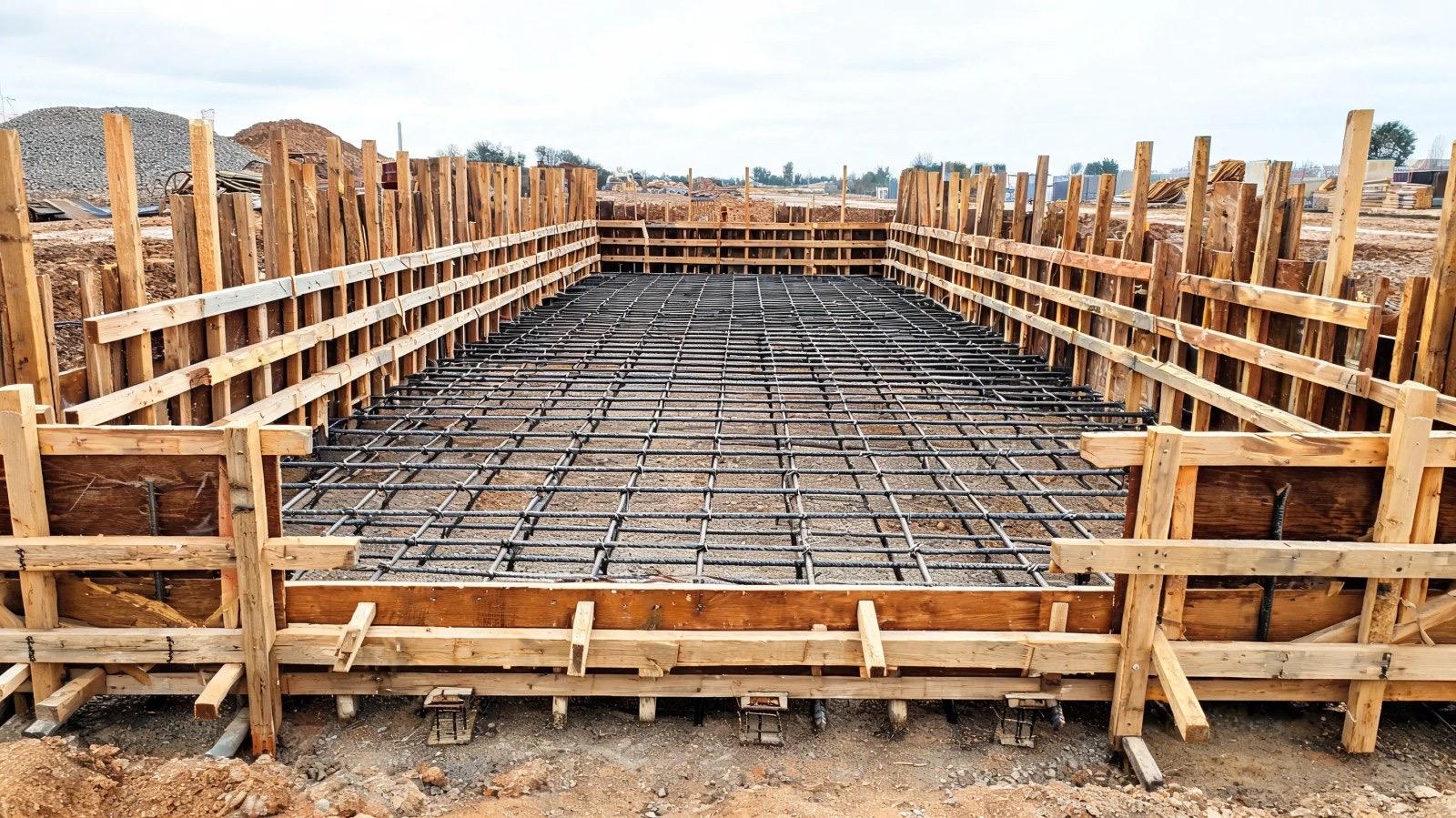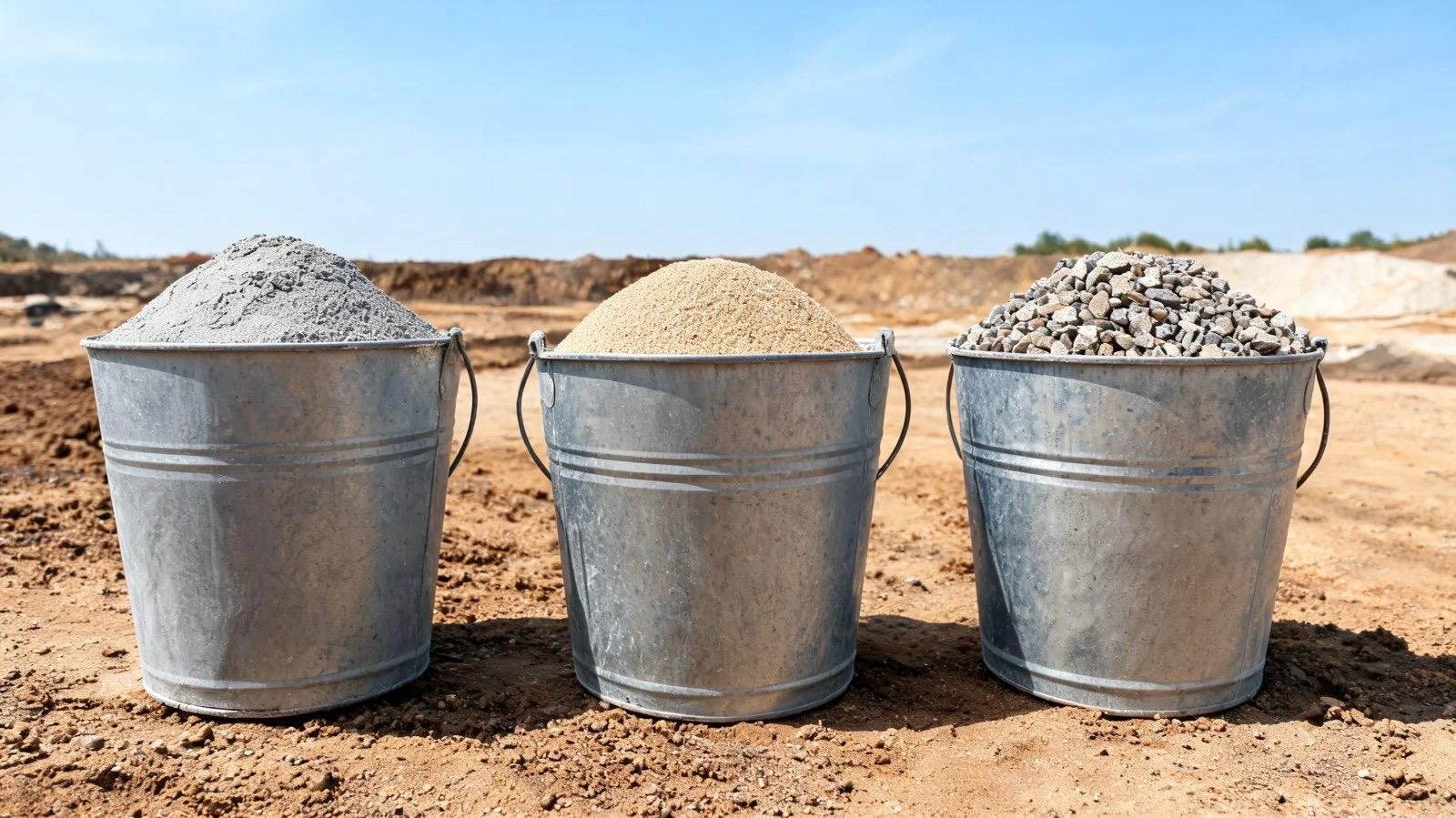
Here’s your basic concrete mix ratio: 1 part cement, 2 parts sand, 3 parts gravel. That’s 1:2:3, and it’s what I reach for on most general jobs without thinking twice about it.
Covers slabs, footings, posts. Nothing fancy. Structural work takes more cement, less filler, and I’ll get into why.
The ratio is what decides whether that concrete holds up or lets you down. Get the proportions right, it cures strong.
Get them wrong, you’re looking at cracking or crumbling down the road, and nobody wants to be the guy explaining that to a homeowner.
So let’s go through the ratios by job, why they change, and where water fits into the whole thing, because that part messes up more pours than the dry mix ever does.
What Is the Standard Concrete Mix Ratio?
Standard general-purpose ratio is 1:2:3. One part Portland cement, two parts sand, three parts gravel or crushed stone.
You’re measuring by volume, not weight. A “part” is whatever container you pick, bucket, shovel, wheelbarrow, doesn’t matter, as long as you use the same one for every part, every time.
Each ingredient’s got a job to do:
- Cement binds everything together
- Sand fills the gaps between the bigger pieces
- Gravel gives the mix its bulk and strength
Water activates the cement, and that’s what turns the three of them into one solid mass.
I tell every first-timer the same thing: pick one container and stick with it for every single part of the mix. Switch between a bucket of cement and a shovel of sand and you’ll never know why that batch came out wrong.
Mix Ratio vs. PSI Rating
You’ll also see concrete called out by its PSI rating instead of by ratio. Different label, related idea.
The ratio is the recipe. The PSI is the strength that recipe’s supposed to hit once it’s cured.
A 1:1.5:3 mix lines up around 2,900 PSI. A 1:1:2 mix gets you closer to 3,600 PSI.
Now here’s the part that catches people off guard. The same ratio doesn’t always land on the same grade. Aggregate size, cement quality, how much water went in, all of that shifts the final number.
Swap in 3/4-inch gravel instead of 3/8-inch pea gravel and you’ll get a different strength out of the same 1:2:3 batch.
That’s why two batches at 1:2:3 can finish at two different strengths. The ratio sets where you start. Everything else about how you mix it decides where you actually end up.
Common Concrete Mix Ratios by Strength

Different jobs, different strength needed, so the ratio moves. More cement, less gravel, that’s a denser, stronger mix.
Here’s the breakdown by use and the rough strength you’re getting.
| Use / Strength | Mix Ratio (Cement : Sand : Gravel) |
| General purpose (~3,000 PSI) | 1 : 2 : 3 |
| Driveways and Patios (~2,000 – 2,500 PSI) | 1 : 2 : 4 |
| Structural (beams, columns) – (~2,900 PSI) | 1 : 1.5 : 3 |
| Heavy-duty, high-load – (~3,600 PSI) | 1 : 1 : 2 |
| Lean / non-structural fill | 1 : 3 : 6 or 1: 4 : 8 |
Use 1:2:3 for slabs, footings, basic pads. Step up to 1:1.5:3 or 1:1:2 once you’re carrying real structural load.
Don’t go assuming the richer-looking mix is automatically the better call. There’s a reason a 1:2:4 driveway mix exists.
That leaner ratio still hits 2,000 to 2,500 PSI, which is more than enough for vehicle traffic and freeze-thaw cycles on a residential driveway, and it costs less.
No sense paying for strength you don’t need.
Why the Water-Cement Ratio Matters

There’s a fourth number that never makes it into 1:2:3, and it decides more than the other three combined. Water. The water-cement ratio is quietly running the whole show on strength.
Too much water and the mix pours easily but cures weakness. Too little and you’re fighting it the whole time, stiff, hard to work.
Target roughly 0.45 to 0.60 parts water per part cement, by weight. Lower end, more strength. Higher end, more workability.
That’s the trade you’re making either direction, and it holds no matter which ratio from the table above you’re mixing to. Get the water wrong and the cement-sand-gravel ratio you picked doesn’t matter much.
That extra water does more damage to your final strength than a sloppy aggregate ratio ever would.
I’ve got the full breakdown on getting that water right while you’re actually mixing in my how-to-mix guide.
How to Choose the Right Ratio
Match the ratio to what the concrete’s going to carry. Heavier the load, richer the mix needs to be.
| Job | Ratio |
| Paths, small pads, general slabs | 1:2:3 |
| Driveways | 1:2:4 |
| Foundations, beams, anything structural | 1:1.5:3 or 1:1:2 |
| Non-structural fill, base layers | 1:3:6 |
Lean toward the leaner 1:2:4 ratio on driveways specifically; less cement for the same durability is money back in your pocket.
Outside of that, when you’re not sure which way to go, err toward more cement. Cheaper mistake than the other way around.
One rule doesn’t change no matter the job: consistency.
Measure every part the same way, every batch, and the concrete comes out predictable. That’s the whole game.
How Much Material Do You Actually Need?
Figuring the ratio is one thing. Figuring out how many bags to load in the truck is another.
For one cubic yard of a standard 1:2:3 mix, you’re looking at roughly:
- Portland cement: about 7 bags (94 lbs each)
- Sand: roughly 0.5 cubic yards
- Gravel: roughly 0.75 cubic yards
- Water: around 30 to 35 gallons, depending on where you land on the water-cement ratio
That’s a starting point, not gospel. Aggregate size, moisture already sitting in your sand, and how much waste you build in all nudge those numbers around.
I always buy 10% extra on top of the math. Running short mid-pour costs more than the leftover bag ever will.
The Bottom Line
The mix ratio sets your concrete’s strength. Standard 1:2:3 handles most general jobs without issue. Leaner or richer mixes are for driveways, foundations, and structural work, depending on what you’re asking the concrete to do.
Measure every part the same way. Keep the water in check. Match the ratio to the load. Do that and the mix cures strong and holds for decades.
Frequently Asked Questions
What Is the Best Concrete Mix Ratio?
No single best ratio, depends on the job. General use, 1:2:3 is standard. Driveways, a leaner 1:2:4 does the job well. Structural work, move up to 1:1.5:3 or 1:1:2.
Which Is Stronger, 1:2:3 or 1:2:4?
1:2:3 beats 1:2:4 on strength. That fourth part of gravel dilutes the cement paste doing the binding. Strength drops from around 3,000 PSI down to about 2,000 to 2,500 PSI.
What Is a 1:1.5:3 Concrete Mix Used For?
Runs around 2,900 PSI. Used for structural work, beams, columns, load-bearing slabs, anywhere a basic mix isn’t carrying enough.
Does More Cement Make Concrete Stronger?
Up to a point, yeah. More cement relative to sand and gravel gets you a denser, stronger mix. But the water-cement ratio matters just as much. Add cement and over-water it anyway, you haven’t gained anything. Too much cement alone can also bump up shrinkage and cracking.