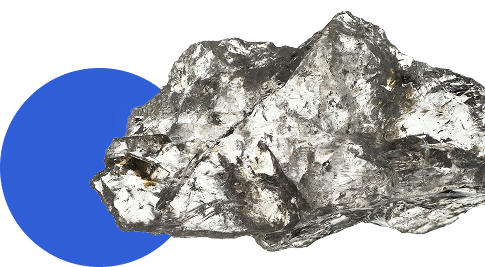

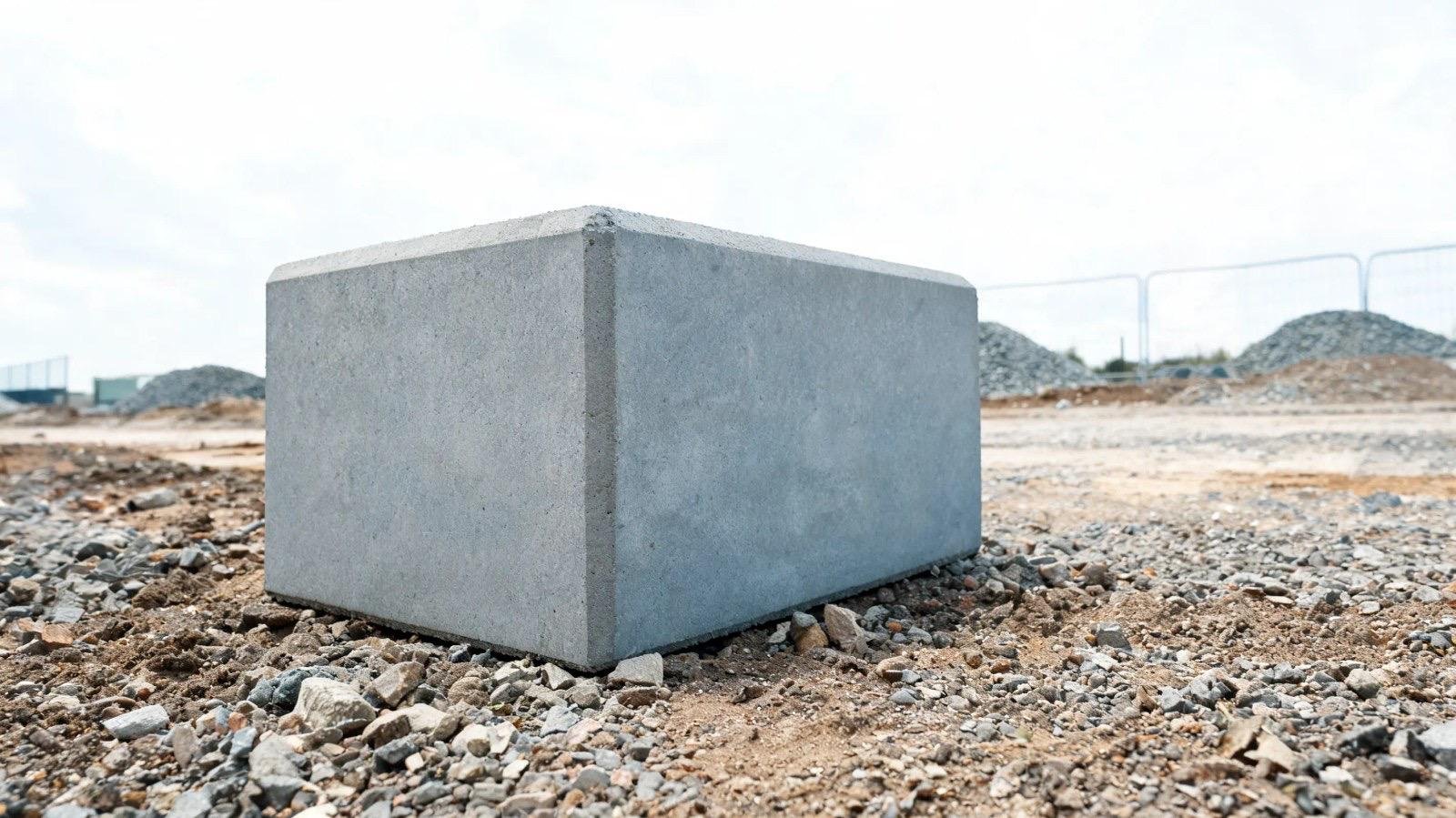
Here’s your mix-up. People say “cement” when they mean “concrete,” and it happens on job sites too, not just at the hardware store.
Cement is one ingredient. Concrete is what you get once that ingredient’s been put to work.
That’s the whole cement vs concrete mix-up in one line, and it’s worth untangling before you’re standing at the counter with the wrong bag in your cart.
So let’s lay it out straight. What each one actually is, how they stack up against each other, and which one you reach for depending on the job.
Get this right once and you won’t be standing in the aisle guessing which bag to grab.
Cement vs Concrete: What's the Difference?
Cement is a fine powder. It's the binder. Concrete is the hard, finished material you get when you mix that binder with water and aggregate.
So cement goes into concrete. Not the other way around. Every batch of concrete has cement in it somewhere, but cement sitting by itself in a bag isn't concrete and it's never going to turn into concrete on its own.
Here's the side-by-side.
| Cement | Concrete | |
| What it is | A fine powder binder | A finished composite material |
| Made from | Heated limestone and clay | Cement, water, and aggregates |
| Role | The glue that binds | The strong, solid end product |
| Strength alone | Brittle, weak on its own | Strong and durable |
| Common use | Mortar, grout, patching | Slabs, driveways, foundations |
| Cost | Cheaper, sold as raw powder | Costs more due to added materials and mixing |
That table tells you most of what you need. Cement's a piece. Concrete's the whole job.
What Is Cement?
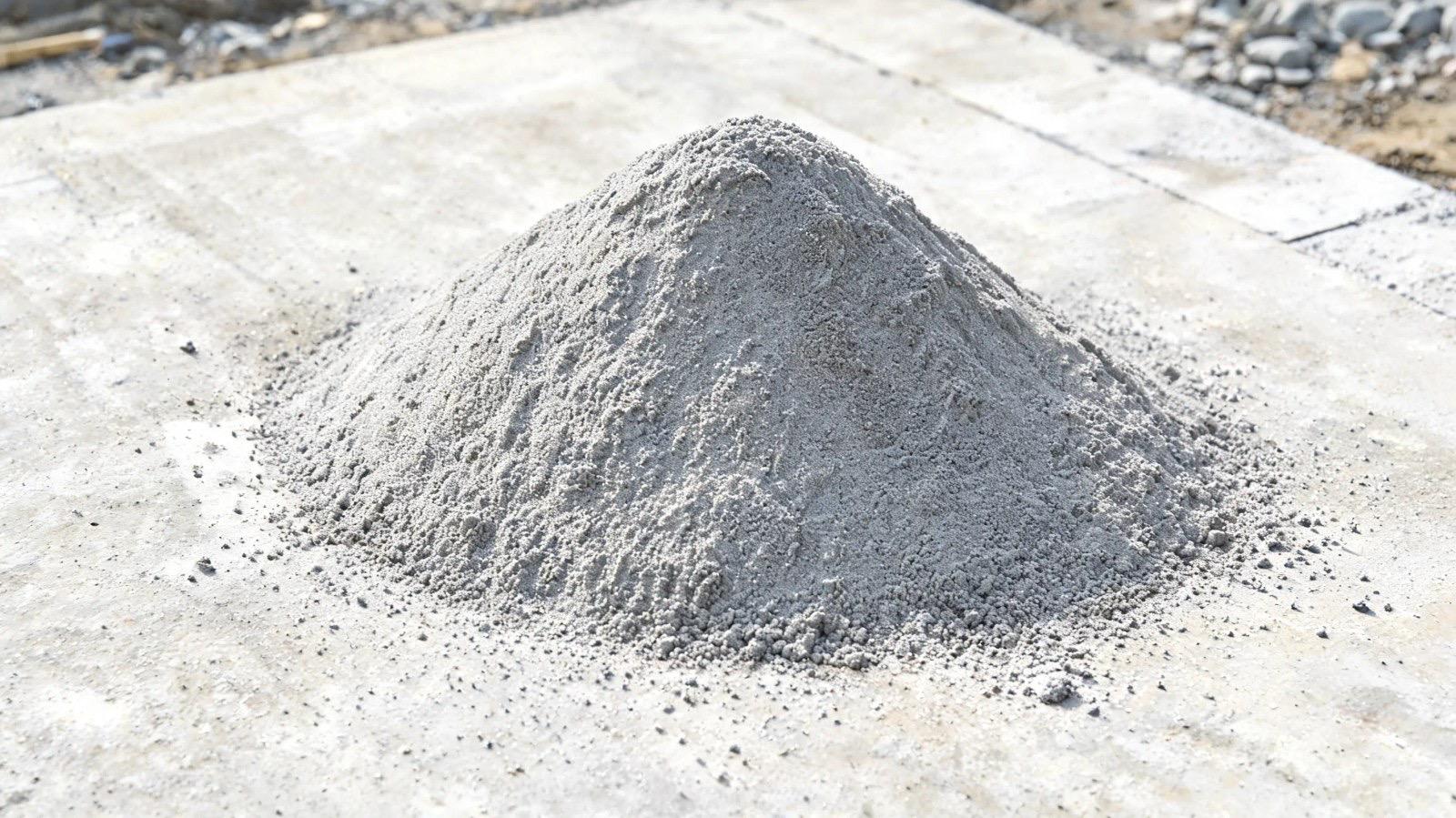
Cement is a fine grey powder, made by heating limestone and clay and grinding what's left.By itself it's just dust in a bag.
Its job is binding. Add water and it kicks off a chemical reaction called hydration. That reaction is what hardens it and glues everything else together.
But straight cement is brittle. Pour it alone and it cracks and crumbles under its own weight as it dries. I've seen it happen on patch jobs where somebody tried to skip a step.
That's why you don't use it alone for anything structural. A driveway patched with straight cement, no aggregate, won't make it through a season.
Cement needs aggregate to become something you can actually build with. On its own it's a binder sitting around waiting for a job to do.
What Is Concrete?

Concrete is a composite.Cement, water, and aggregate, sand, gravel, crushed stone, mixed together. Once it cures, you've got a strong, solid mass.
Now here's the part nobody explains right. The strength doesn't come from the cement. It comes from the aggregate.
Sand and gravel particles pack together and interlock, and that forms a dense skeleton inside the mix. The cement paste just coats that skeleton and holds it in place.
That's the real difference between a slab that cracks on you and one that holds up for thirty years. Cement by itself has no skeleton in there, so it shrinks and splits as it dries. Concrete has one, and that skeleton is what's actually carrying the weight when a truck rolls over it.
This is also where mortar comes into it. Mortar is cement mixed with sand, no gravel.
No coarse aggregate means no skeleton, which means mortar never gets anywhere near concrete's compressive strength. That's exactly why you use it to bond brick, not to pour a slab. Wrong tool for that job.
Concrete's durability comes down to the paste and the aggregate working together. Neither one does the job by itself, but put them together and you've got something that lasts decades.
When to Use Cement and When to Use Concrete
Come down to the job in front of you. Each one fits a different kind of work, and mixing them up gets expensive fast.
Reach for cement-based products when you need a binder or a filler:
- Mortar for laying or repairing brick and block walls.
- Grout for filling gaps between tiles.
- Patching compounds for small cracks and surface repairs.
Those jobs need glue, not structure. That's cement lane.
Use concrete when the job has to carry weight or hold its shape under load:
- Driveways and sidewalks that take vehicle or foot traffic.
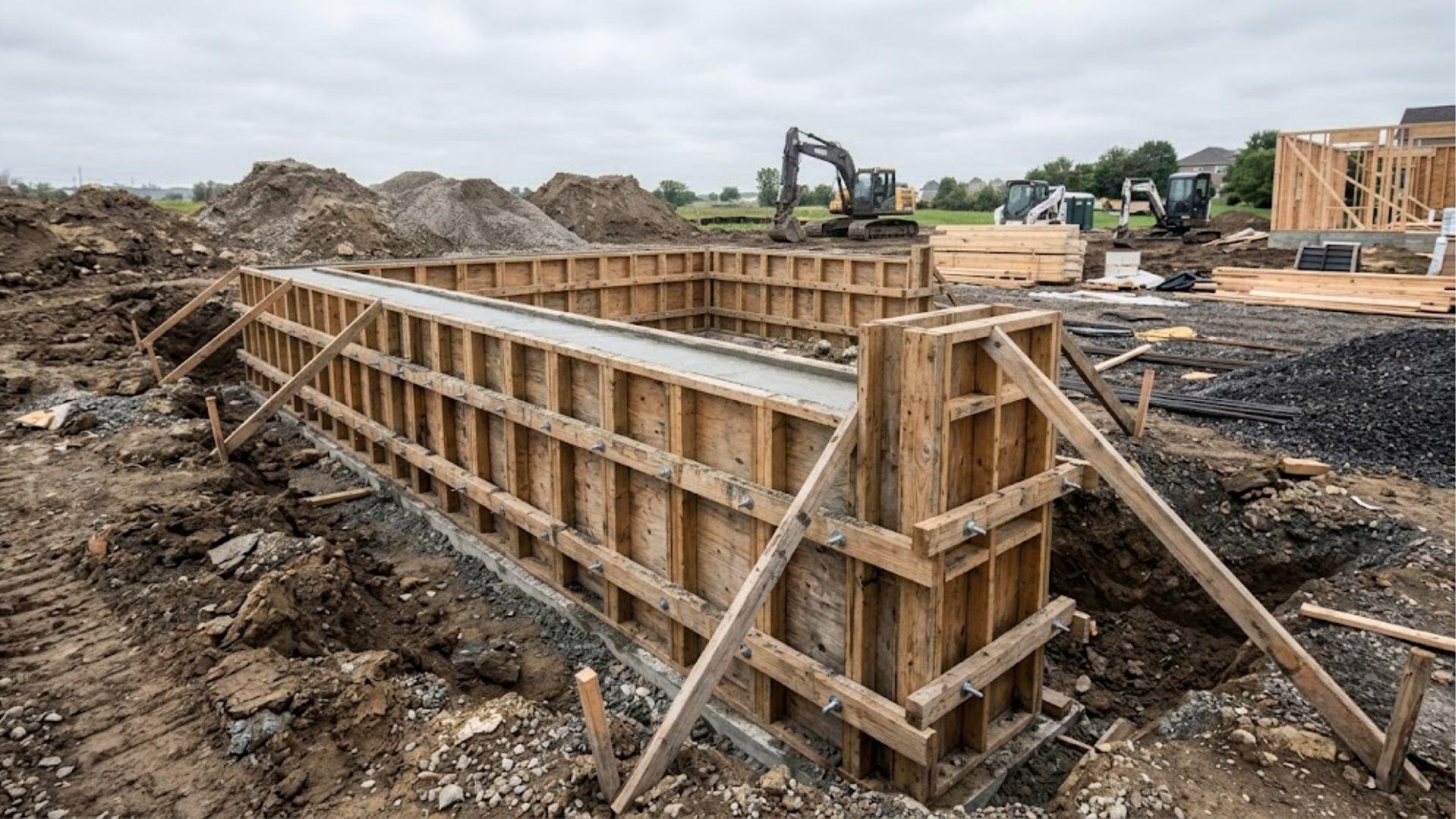
- Foundations and footings that support a structure.
- Slabs for sheds, patios, or garage floors.
Those jobs need a skeleton under the glue. That's a concrete lane.
Rule of thumb. If it's holding things together, think cement. If it's standing on its own and carrying a load, think concrete.
The Bottom Line
The cement vs concrete debate isn't really a contest, because they're not competing for the same job.
Cement's the powdered binder. Concrete's the finished material, with the aggregate doing the structural work and the cement paste holding it together.
Use cement-based products to bind and patch. Use concrete anywhere you need real strength under load. Know which is which and you'll grab the right bag every time.
Frequently Asked Questions
Can I use cement instead of concrete?
No, not for anything structural. Cement alone doesn't have the aggregate, the sand and gravel, that gives concrete its strength and keeps it from cracking. It's fine for small jobs like patching or as mortar, but pour straight cement for a driveway or a foundation and it'll crumble under load.
Are sidewalks cement or concrete?
Concrete. Cement's just the binder. The sand and gravel aggregate mixed in is what gives a sidewalk the compressive strength to take foot traffic and weather without breaking apart.
Is cement stronger than concrete?
No. On its own, cement has nothing to hold onto, so it shrinks and cracks as it dries. Concrete is stronger because the sand and gravel inside it form a dense, interlocking structure that the cement paste just coats and holds in place. That’s also why concrete holds up for decades under weight that straight cement never could.
Why do Americans call concrete cement?
Habit, not a technical fact. Cement's the binding ingredient people hear about most, so "concrete" gets shortened to "cement" in everyday talk, even though they're two different materials with two different jobs.
Do I need to seal bagged concrete after it heals?
Not required structurally, but a penetrating sealer helps resist staining, freeze-thaw cracking, and moisture getting in, especially on driveways and exposed slabs. Put it on after a full 28-day cure. Not right after finishing, you'll trap moisture in there.