
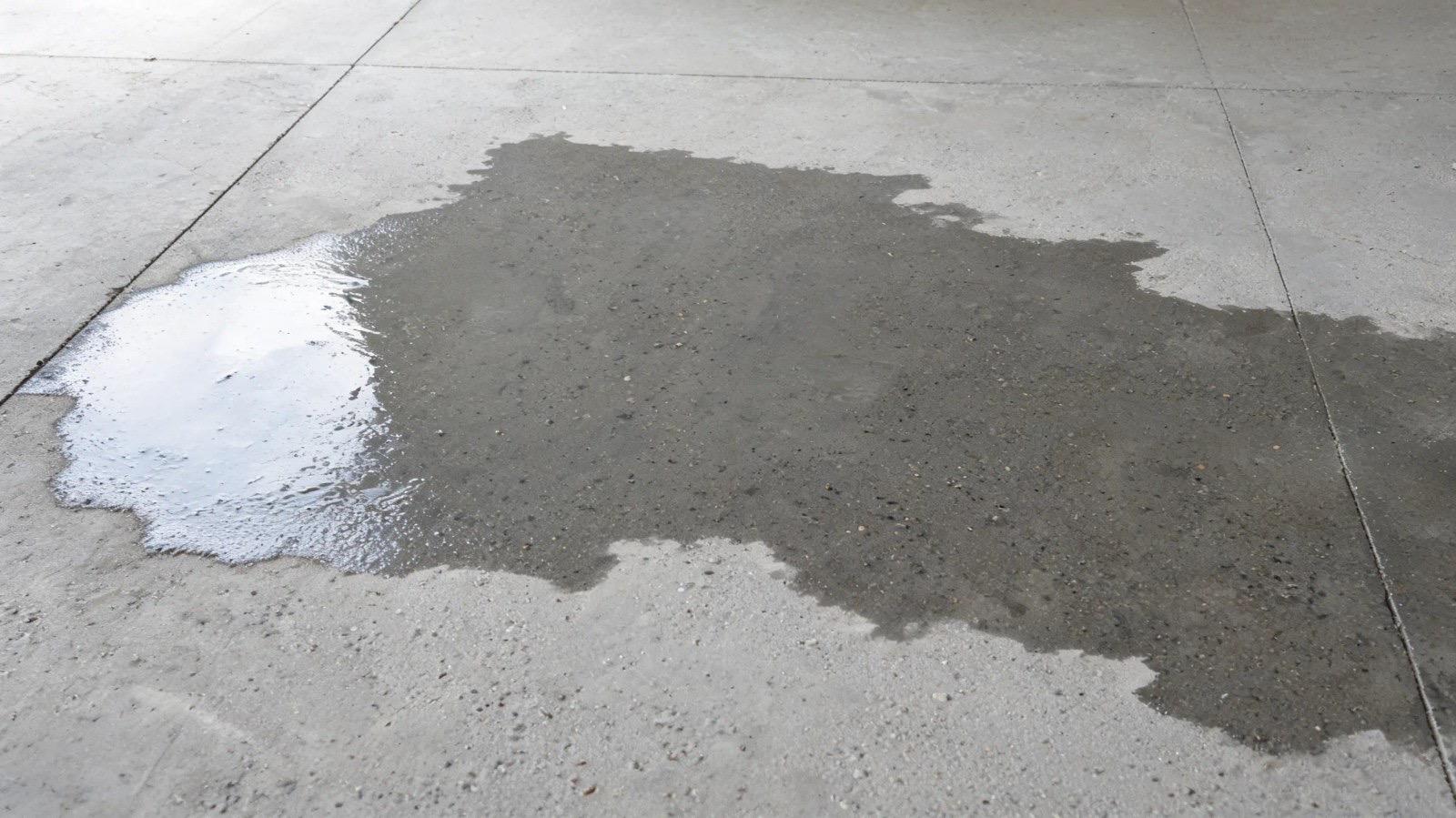
A leak in a concrete slab is a water pipe under your home’s foundation that’s cracked or broken, and because that pipe is buried in concrete, you’re never going to see the actual leak. What you see is what it leaves behind.
Caught early, a water leak in a concrete slab floor is a manageable repair. Left alone, it can undermine the foundation and rot the floors above it.
So that’s what I’m covering here: what a slab leak actually is, the warning signs, what causes it, and exactly what to do about it.
What Is a Slab Leak?
A water leak in a concrete slab floor is a failure in one of the pipes running beneath your concrete foundation, either a supply line or a drain line.
Here’s why that matters:
Supply lines are under pressure, so they lose water fast, which is why they tend to show up as warm spots or a running-water sound you can actually hear.
Drain lines aren’t pressurized, so they leak slower, and usually show up as damp flooring instead, because the pipe sits encased in or just below the slab, completely out of reach.
That’s what makes a leak in a concrete slab floor tricky to pin down.
I’ll tell you what I tell homeowners every time: the leak is rarely where the damage shows. Water travels along the slab before it ever surfaces, so the wet spot on your floor isn’t a map, it’s just the end of the trail.
Warning Signs of a Leak in a Concrete Slab
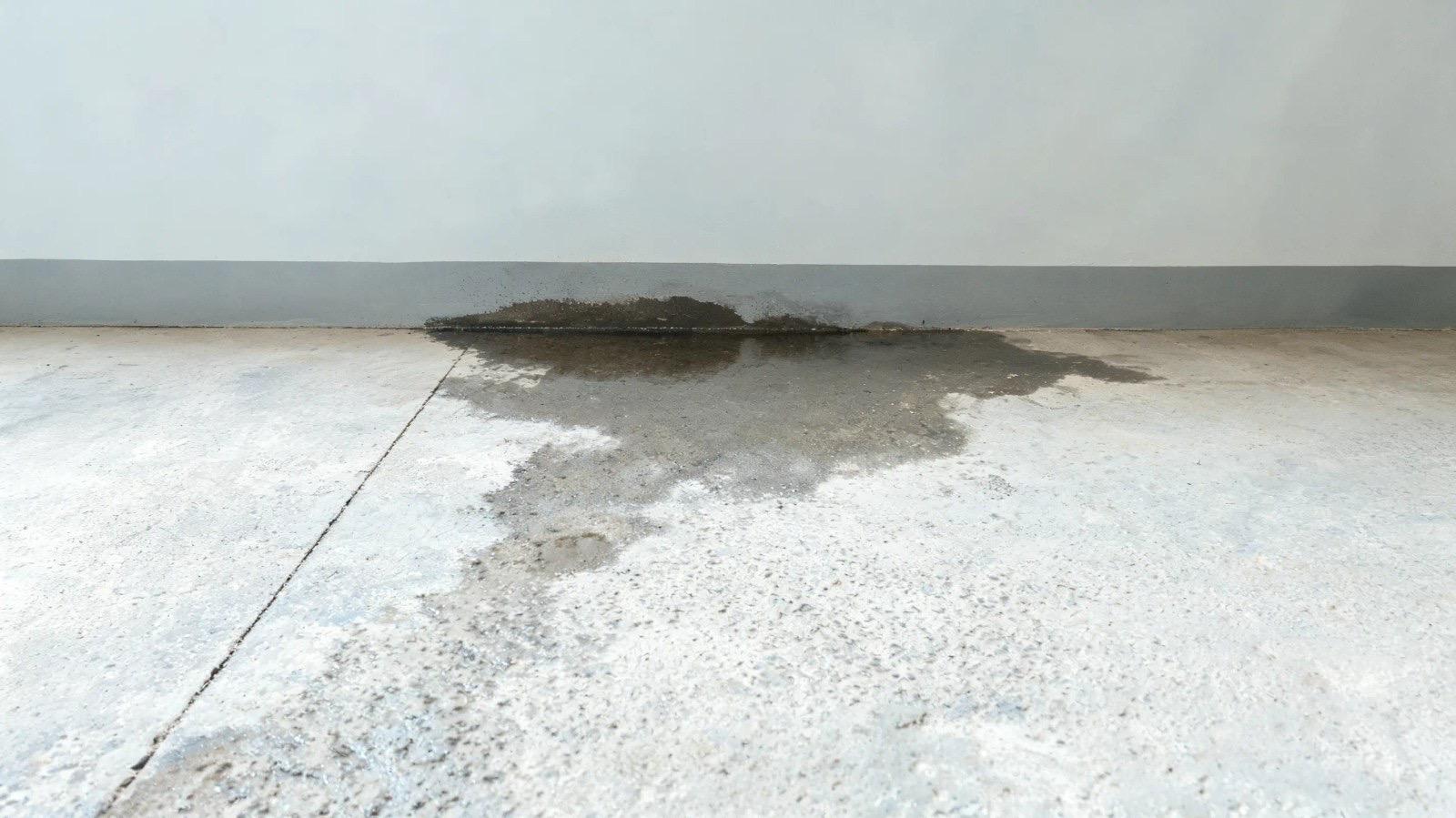
Since you can’t see the pipe, you’re watching for what the leak does to the house instead, and a handful of signs point pretty clearly to a slab leak.
Right, but watch for these together, not one at a time, because any single sign on its own can have a completely different cause.
- A jump in your water bill with no change in how much you’re using.
- Running-water sounds with every tap and appliance off.
- Warm spots on the floor, usually from a leaking hot-water line.
- Damp or warped flooring, like soggy carpet or buckled wood with no spill above it.
- A sudden drop in water pressure at sinks and showers.
If two or three of these show up together, that’s not a wait-it-out situation. The water’s going somewhere, and it’s usually into your slab.
And if you’re also seeing sticking doors or new drywall cracks on top of it, the leak may already be washing soil out from under the slab, so treat that as urgent, not just a plumbing nuisance.
I think it’s important to note that a couple of these signs can come from water getting in some other way entirely, not from a broken pipe. We’ll cover how to tell the difference further down.
What Causes Slab Leaks

Slab leaks come down to pipes wearing out or the ground moving underneath them. Both put stress on plumbing that’s built to last decades, just from different directions.
Corrosion is the most common cause. Metal pipes, copper especially, wear through slowly as they react with the soil and water around them.
Abrasion is next. As pipes heat and cool, they expand and contract, and that movement rubs them against the concrete or gravel around them. Over time, that friction wears thin spots right into the pipe wall.
Soil shifting does the rest.Ground movement and settling put pressure on buried pipes until a joint finally gives.
Poor installation plays a role too. A pipe that wasn’t wrapped correctly, bent too sharply, or nicked while the concrete was poured starts out already weakened, so it fails years before a well-installed line would.
Here’s the part people miss, so let me name it directly. Once a pipe fails, the escaping water doesn’t just sit there, it washes soil out from under the slab, bit by bit.
That’s what turns a small, slow leak into a foundation problem. The longer the water runs, the more soil it carries off, which is why timing matters more than the size of the leak ever does.
Is It Really a Slab Leak?
Not all water near a concrete slab comes from a broken pipe. Sometimes it’s rainwater, poor grading, or pressure pushing moisture up through a crack, and from the outside, both situations can look identical.
They need different fixes though, so it’s worth checking before you call anyone out.
Here’s how to tell which one you’re dealing with. Check these before you assume it’s a pipe:
- A water meter that keeps moving with everything off means water’s flowing somewhere in your pipes
- Water tied to rainfall, or showing up near outside walls, usually means it’s coming from outside
- Dampness near exterior walls often points outside; dampness pooling mid-floor often points to a pipe
If the meter test points to a pipe, call a plumber who does leak detection. They’ll use listening equipment to confirm it before anyone touches the concrete.
Right, and acoustic and infrared tools find a pipe leak with real accuracy. What they won’t tell you is whether water’s also getting in from outside.
So if water comes back after a pipe repair, look outside too. The cause might be grading or drainage, not the pipe at all.
What to Do About a Slab Leak
A slab leak isn’t a DIY repair, and treating it like one usually makes things worse. The pipe’s under concrete for a reason.
Start by shutting off your main water supply to stop the damage. Then call a plumber who does slab leak detection.
They’ll pinpoint the leak with listening equipment and cameras before opening any concrete, and from there, the fix is usually one of three things: rerouting the pipe, a spot repair, or an epoxy lining.
Here’s the edge case worth knowing about: A slow drain-line leak can run for months with almost no signs, quietly weakening the soil under your slab the whole time. That’s the one that catches people off guard when it finally shows.
The Bottom Line
A leak in a concrete slab is a hidden pipe failure under your foundation, and the signs, not the pipe itself, are what you’ll notice first.
Watch for high bills, warm spots, running-water sounds, and damp floors. If the signs stack up, check the meter, then call a plumber who handles slab leaks.
Acting early is what turns a foundation threat into a routine fix.
Frequently Asked Questions
Can a Slab Leak Fix Itself?
No. A slab leak only gets worse as the pipe keeps failing and water keeps escaping. Waiting risks foundation damage, mold, and a far bigger repair bill. The leak needs a plumber to locate and fix it properly.
How Much Does It Cost to Fix a Slab Leak?
It varies widely with the leak’s location, the repair method, and how much concrete has to be opened up. Most slab leak repairs land somewhere between $500 and $4,500, with a simple spot repair at the low end and rerouting a line pushing toward the high end or beyond. Get a couple of quotes from licensed plumbers before deciding.
Is a Slab Leak an Emergency?
It’s urgent, if not always an instant emergency. The longer it runs, the more it damages your foundation and floors. Shut off the water and get a plumber out quickly, especially if you’re seeing fast-spreading damp or a sharp drop in pressure.
Will Homeowners Insurance Cover a Slab Leak?
Most standard policies cover sudden water damage from a slab leak, including locating and accessing the pipe. They usually don’t cover the plumbing repair itself. Check your policy’s water-damage clause, since coverage for gradual leaks varies.