Now, I get this question all the time: a guy’s standing in his yard, looking at a driveway that’s finally given up on him after twenty-some years, and he wants to know, concrete or asphalt, which one do I go with.
And I’ll tell you, most folks want it boiled down to a price tag and a number of years. That’s fine as far as it goes. It just doesn’t go far enough.
Here’s the thing, you know, everything that matters about these two materials comes down to how they handle getting pushed on by the freeze, by the heat, by your truck pulling in and out of there every day for decades.
Once you understand that part, the rest of it falls into place pretty easy. So let’s start where I always start with a customer what’s actually in the stuff.
Concrete vs. Asphalt Driveways: What Each Material Actually Is
Asphalt and concrete, they both start out the same: crushed stone and sand, same as you’d find in a quarry pile. What’s different is what’s holding that aggregate together, and that’s where the whole story splits in two.
Asphalt uses bitumen, a thick, sticky petroleum byproduct to bind the stone and sand. And that binder, even after it sets up, it stays a little flexible.
I’ve watched an asphalt drive shift under a loaded truck and just bounce right back like nothing happened. That’s not a flaw. That’s the whole point of the material.
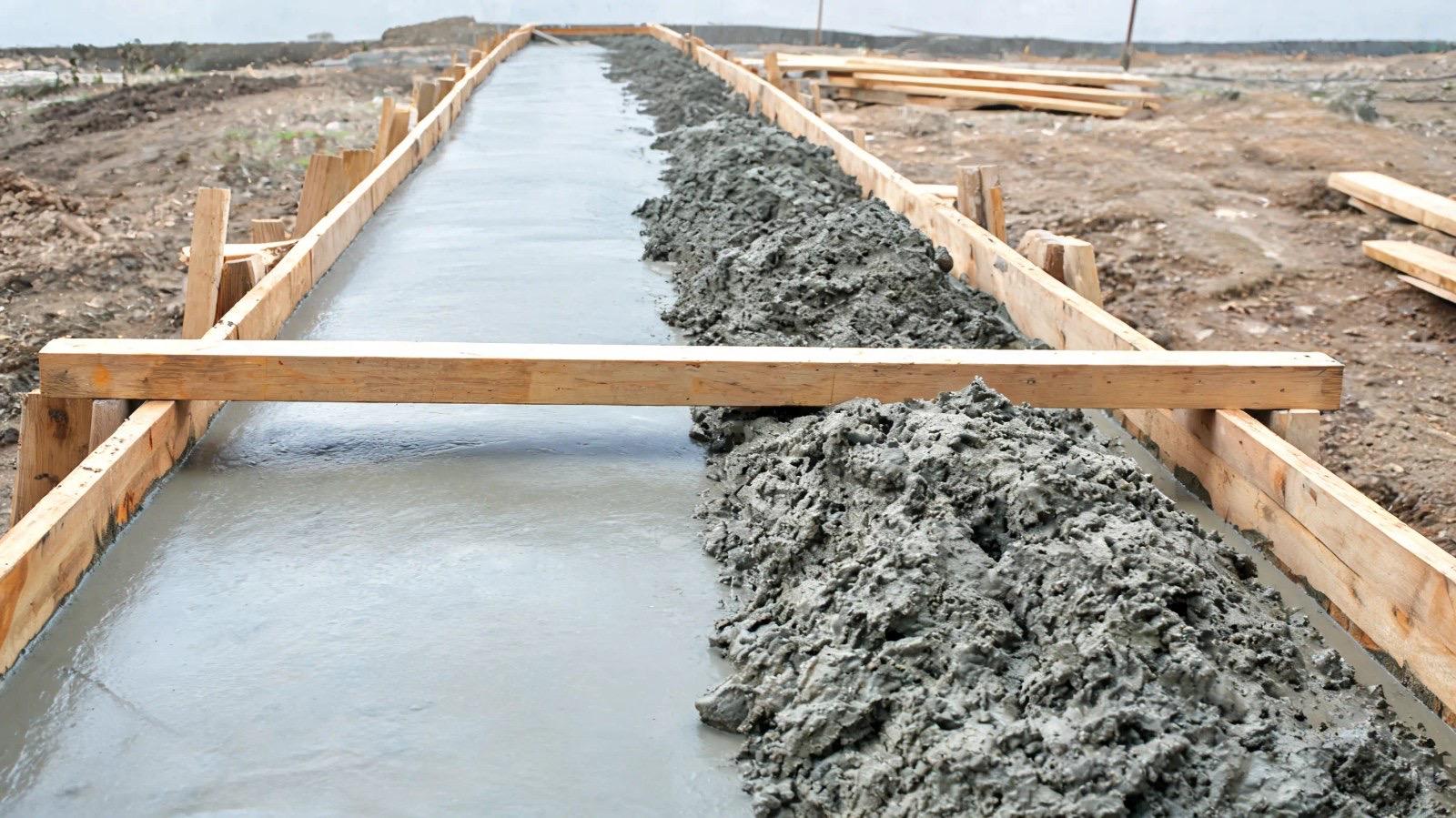
Concrete, now, that uses cement instead. You mix it with water and you get chemical reaction locks that aggregate into one rigid slab.
Once it cures, it doesn’t flex. Holds its shape under load, sure, but it’s also got nowhere to go when something’s pushing against it.
Flexible binder versus rigid binder, that one difference is the reason these two materials behave so differently once they’re sitting in your driveway for the next thirty years.
Why Concrete and Asphalt Perform So Differently
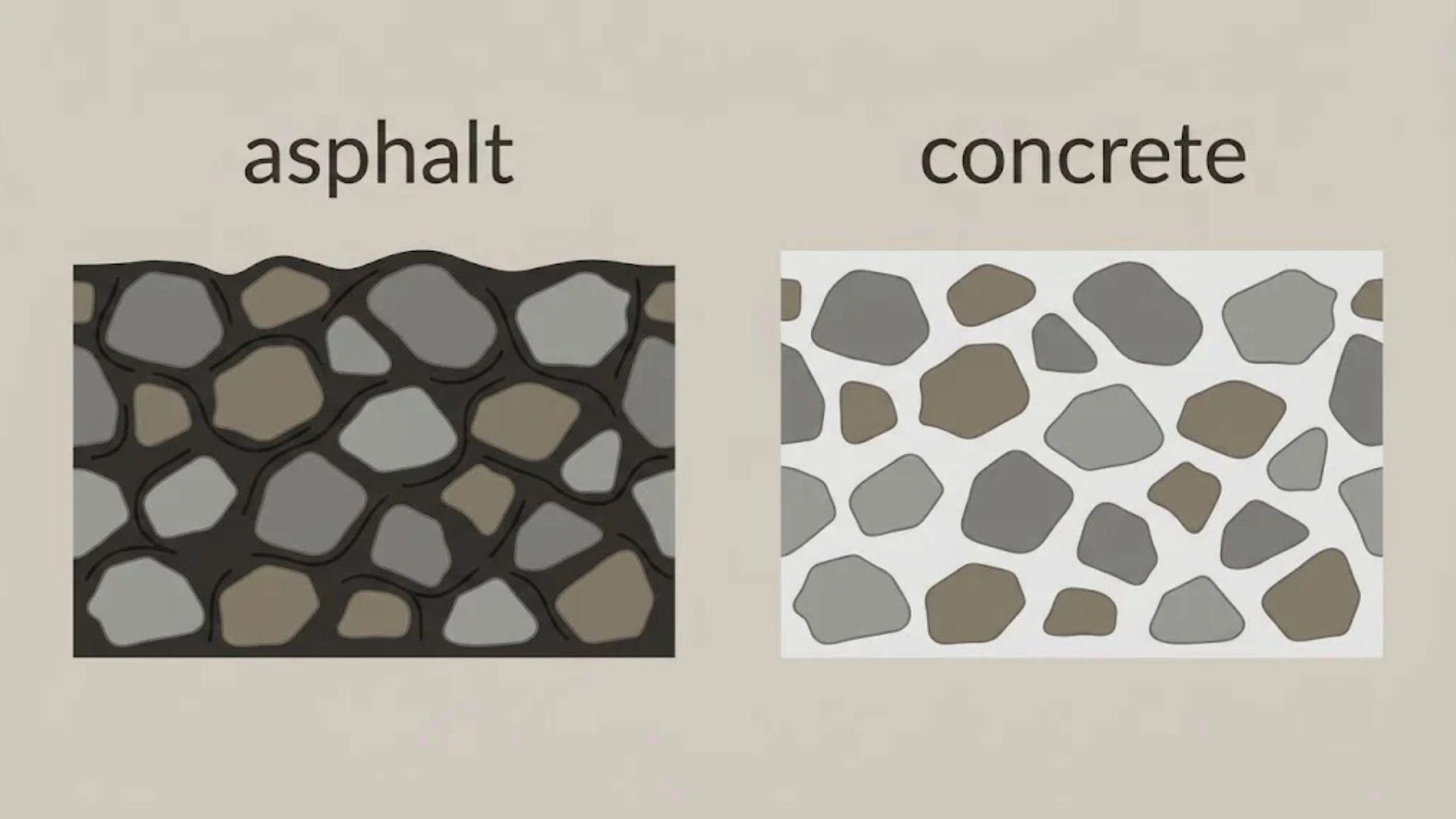
Concrete’s rigid. Asphalt’s flexible. That’s not just some fact out of a textbook, that’s the reason for pretty near every difference between the two.
Climate tolerance, crack behavior, how hard a repair’s gonna be… none of it’s random. It all traces right back to whether the material bends or it holds firm.
How Freeze-Thaw and Heat Affect Each Material
Water finds its way into the little pores in both materials. I don’t care how well you built it, it’s getting in there and then the temperature swings decide what happens from there:
- Freezing water: Asphalt’s got that give to it, so the surface shifts a little and settles back once things thaw out. Concrete holds its shape, rigid, so when that ice expands it’s pushing against something with nowhere to let off.
- Winter cracking: That’s why, come a hard winter, concrete driveways tend to crack from freeze-thaw faster than asphalt does.
- Summer heat: Asphalt’s binder softens up in the heat, that’s why you see them tire ruts forming under a car that sits in the same spot all summer. Concrete, it just stays put, stays dimensionally stable, even when that slab’s hot enough to burn your feet walking on it barefoot.
Once you see it laid out like that, it’s the same story told twice: asphalt moves with the stress, concrete fights it till it can’t fight no more.
Why Concrete Cracks Are Harder to Fix Than Asphalt Cracks
Whether a patch is gonna hold comes down to how well it can bond with what’s already there:
- Asphalt repairs: That binder around the crack’s still workable, so a patch melts right into it and moves along with it. I’ve seen asphalt patches disappear into the drive within a season. You’d have to know exactly where to look for it.
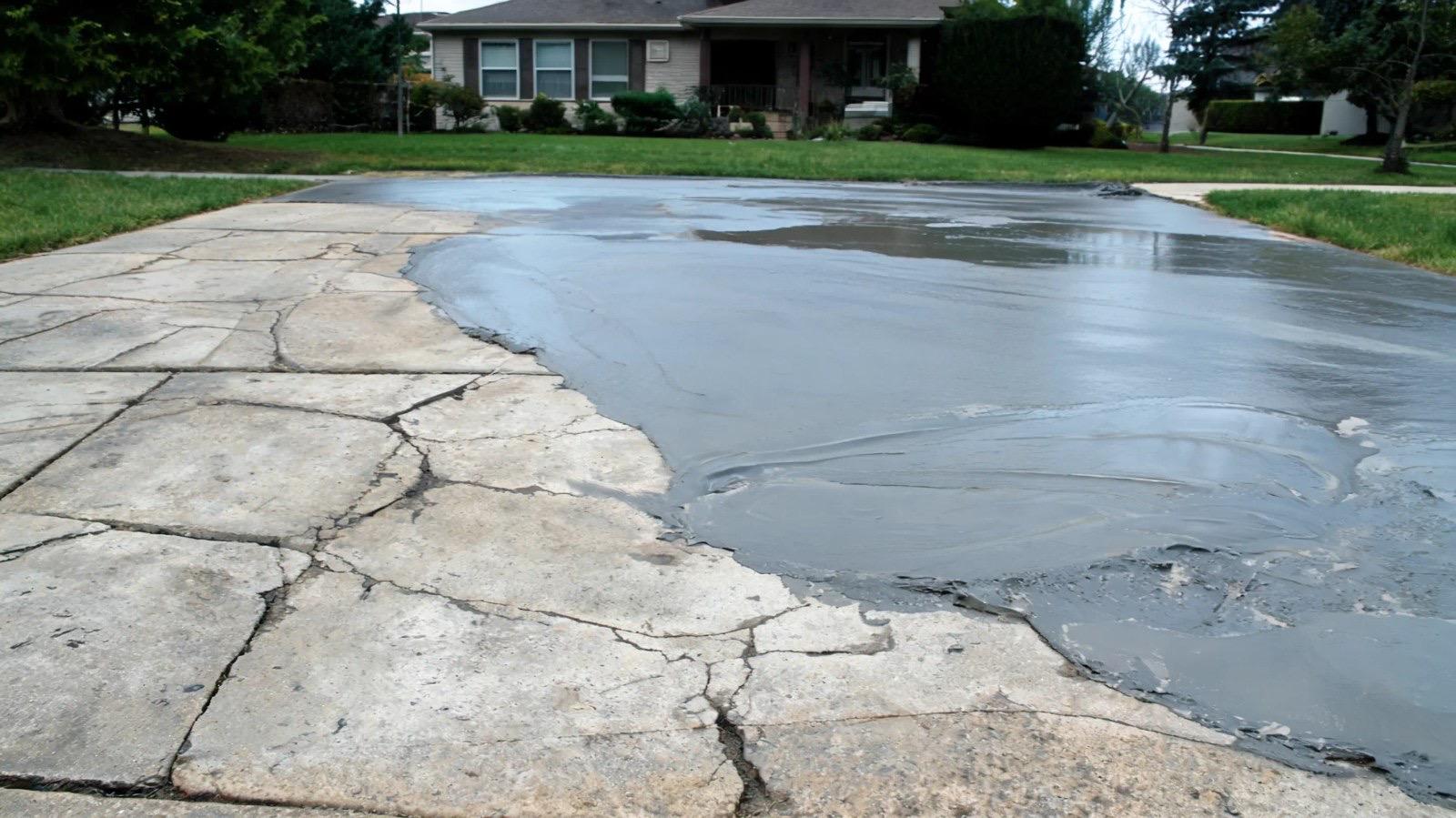
- Concrete repairs:The slab around the crack is rigid and fully cured, so a patch just sits on top of it instead of becoming part of it. It’s expanding and contracting at a different rate than the original pour.
- The result: Concrete patches tend to stay visible, and here’s the part I don’t like: they can crack again right at that seam within a year or two. I don’t want to be the guy fixing that twice.
That mismatch, that’s the real reason a crack in concrete carries a worse name than a crack in asphalt does.
Cost, Lifespan, and Maintenance Compared
Here’s how the two stack up on the numbers that actually matter when you’re the one paying for it:
| Asphalt | Concrete | |
| Cost per sq ft | 3–8 | 10–20 |
| Installation time | Usable in 24-48 hours | Usable in a few days, fully cured in 7-28 days |
| Typical lifespan | 15-30 years | 30-40+ years |
| Resealing frequency | Every 2-5 years | Every 3-5 years |
| Repair visibility | Patches blend in well | Patches tend to stay visible |
Cost Per Square Foot and Installation Time
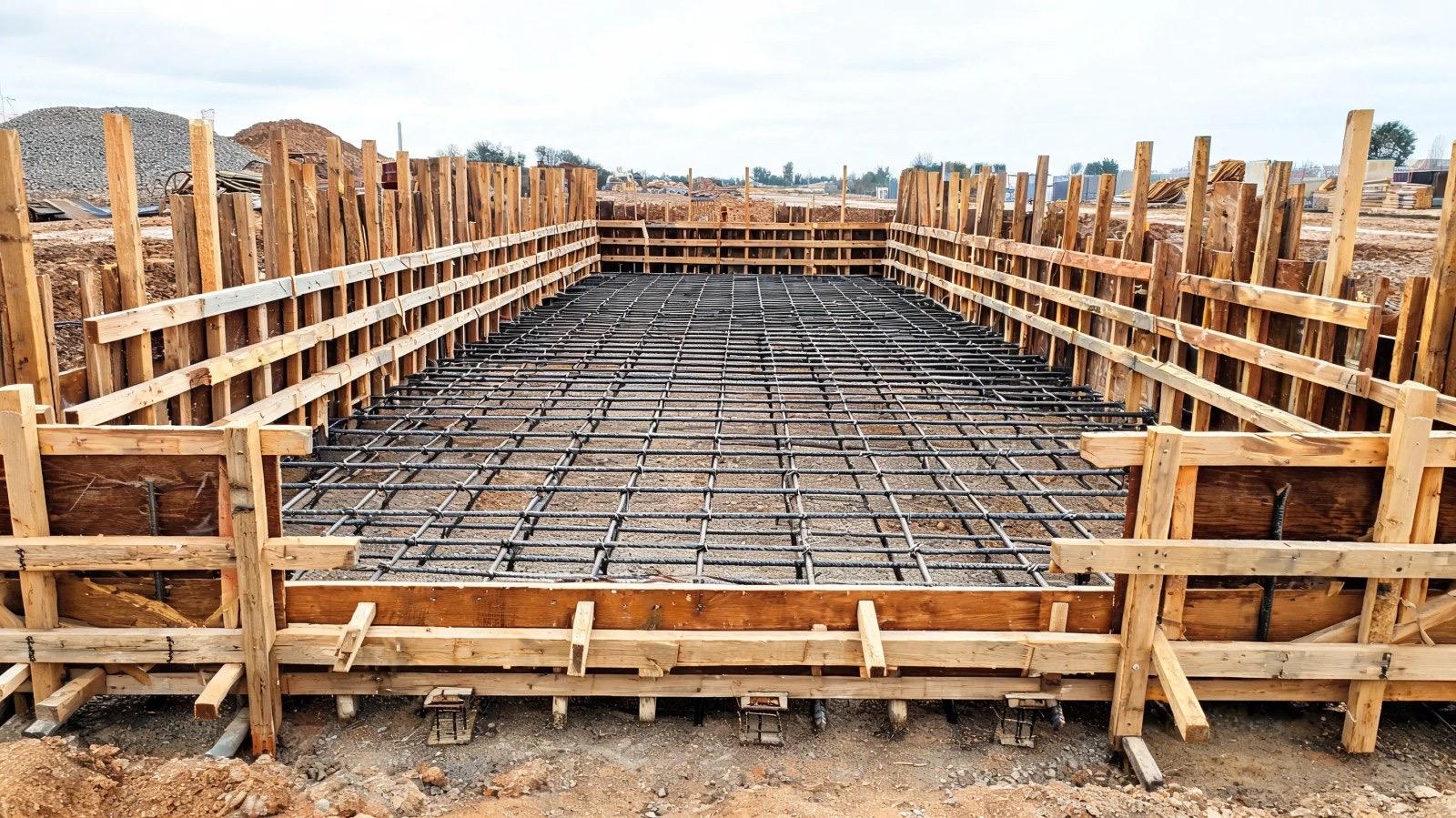
Concrete costs more upfront, and there’s a reason for that: it needs a thicker pour and a base that’s a lot more involved to get right.
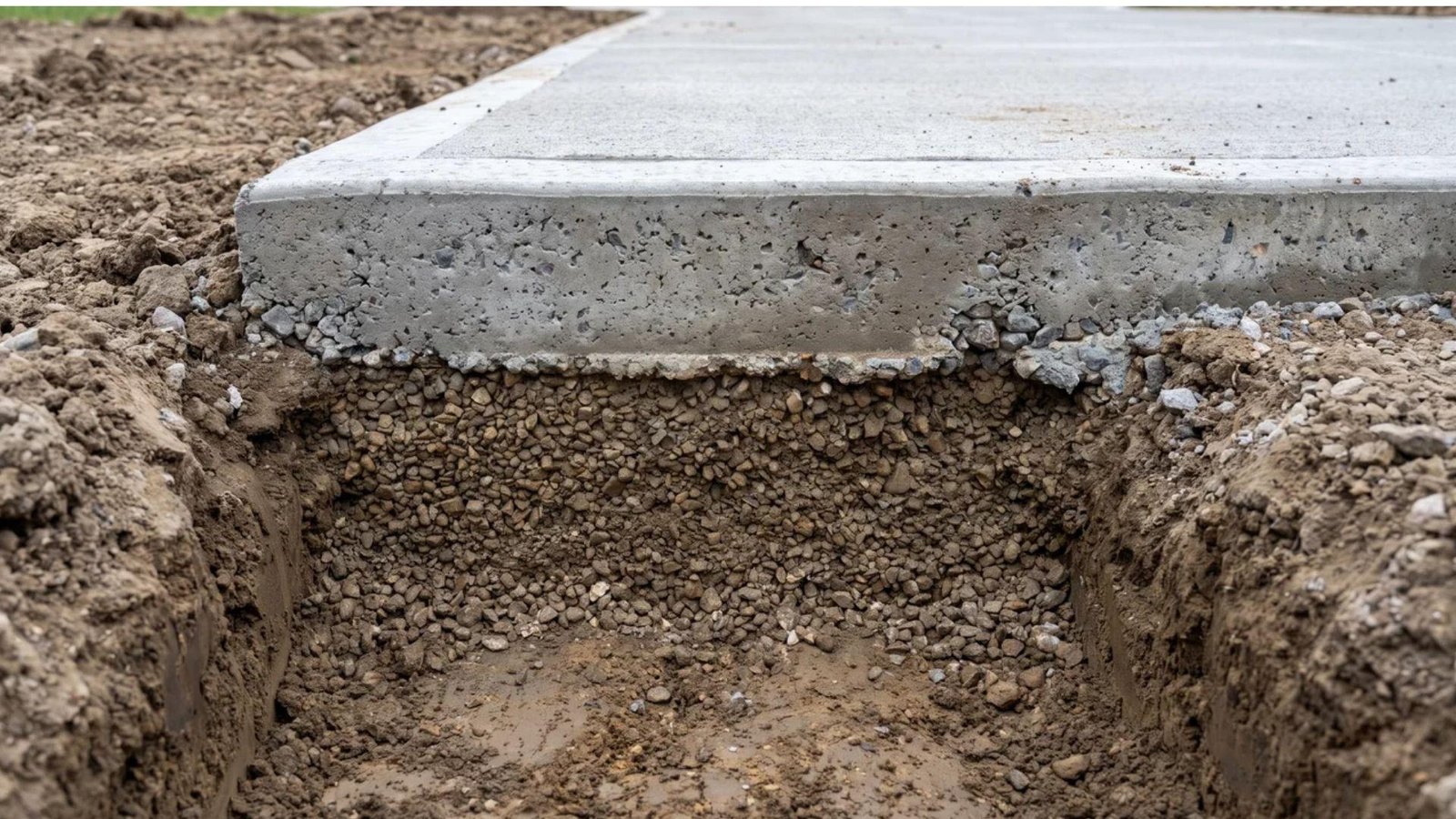
A typical concrete driveway runs about 4 inches thick over a 4-to-6-inch compacted gravel base, while asphalt usually goes down in 2 to 3 inches over a similar base. Less material, less labor, that’s where the cost gap starts.
Asphalt goes down faster and cheaper. That’s why you can use it inside a day or two. Concrete, now, it needs real time to cure before you trust it with your daily traffic. I don’t care how good the mix is, you don’t rush that.
These numbers move around depending on where you’re at and who’s supplying so take it as a starting point, not gospel. Get a couple local quotes before you make up your mind.
Lifespan and Cure Time
Concrete’s rigidity is exactly what gives it that longer life. It’s not flexing, not absorbing the stress the way asphalt does, so it just plain wears down slower. Simple as that.
How long that actually plays out depends on your base prep and upkeep as much as the material itself.
Asphalt’s flexibility is what shortens it up, by comparison. The same give that keeps it from cracking is the same thing wearing it down faster under all that repeated loading.
Resealing Costs Over Time
Asphalt needs resealing more often, but it’s a simpler job you’re protecting a surface, that’s it. Not fixing structural damage.
Concrete goes longer between sealings, but when something does finally go wrong on it, that rigid slab makes the fix harder, and it costs more to blend it in right.
I build it the way I’d want to find it if I was the guy called out later but even built right, concrete repairs just aren’t a cheap afternoon.
Which Driveway Material Fits Your Situation
There’s no one material that wins here, and I’ll be straight with you, if anybody who tells you different, is selling something. It comes down to your climate, and whether you’d rather pay less now or replace less later.
Climate narrows it down fast:
- Cold winters: Asphalt’s flexibility handles your freeze-thaw cycles better, and that dark surface melts snow and ice off faster too.
- Hot summers: Concrete holds up without softening or rutting under the heavy, repeated loading.
Budget matters just as much as the weather does:
- Lower upfront cost: Asphalt wins if you want it fast and you want it cheap.
- Fewer replacements over time: Concrete wins if you’d rather pay more now and not think about it again for thirty, forty years.
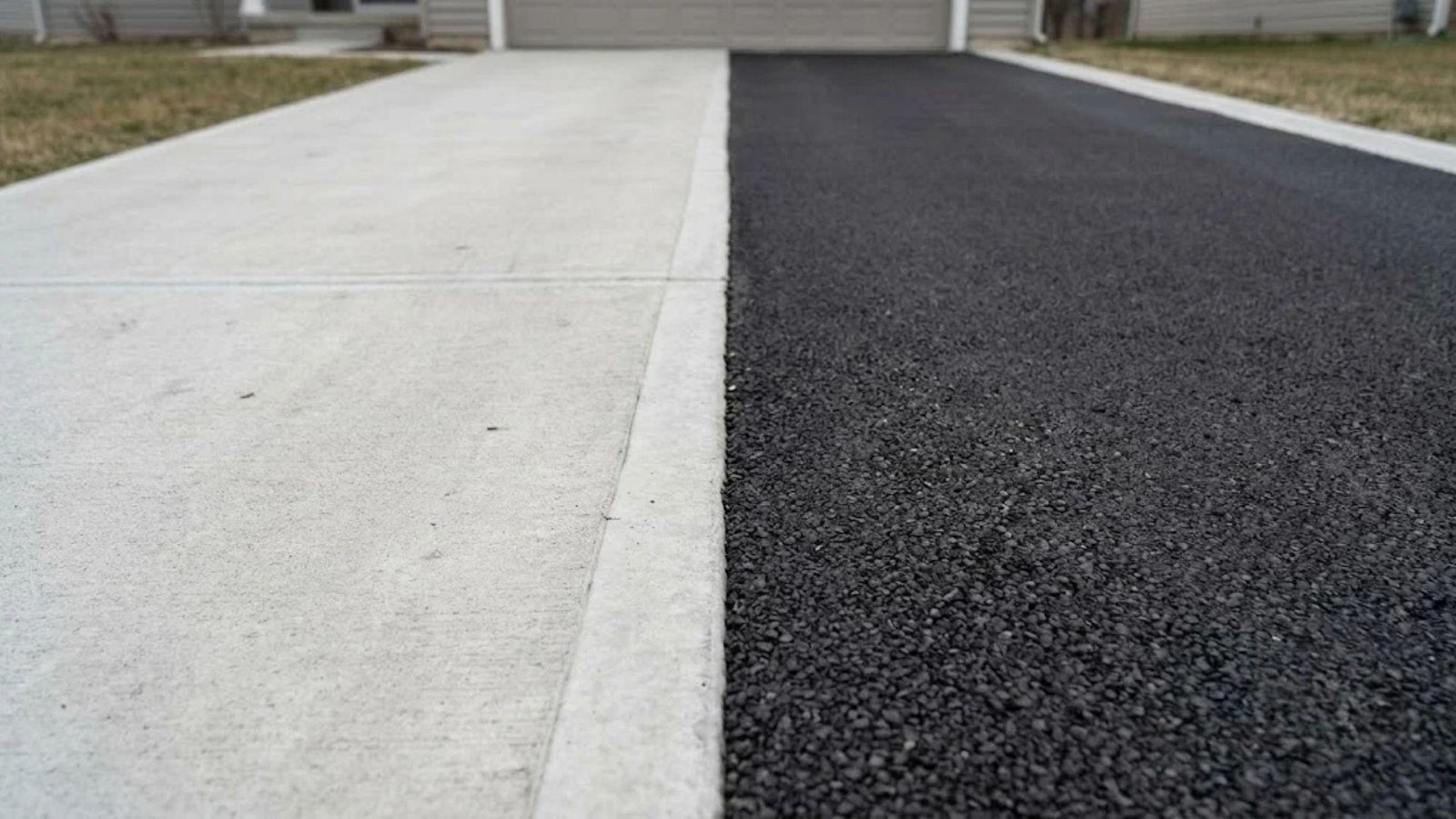
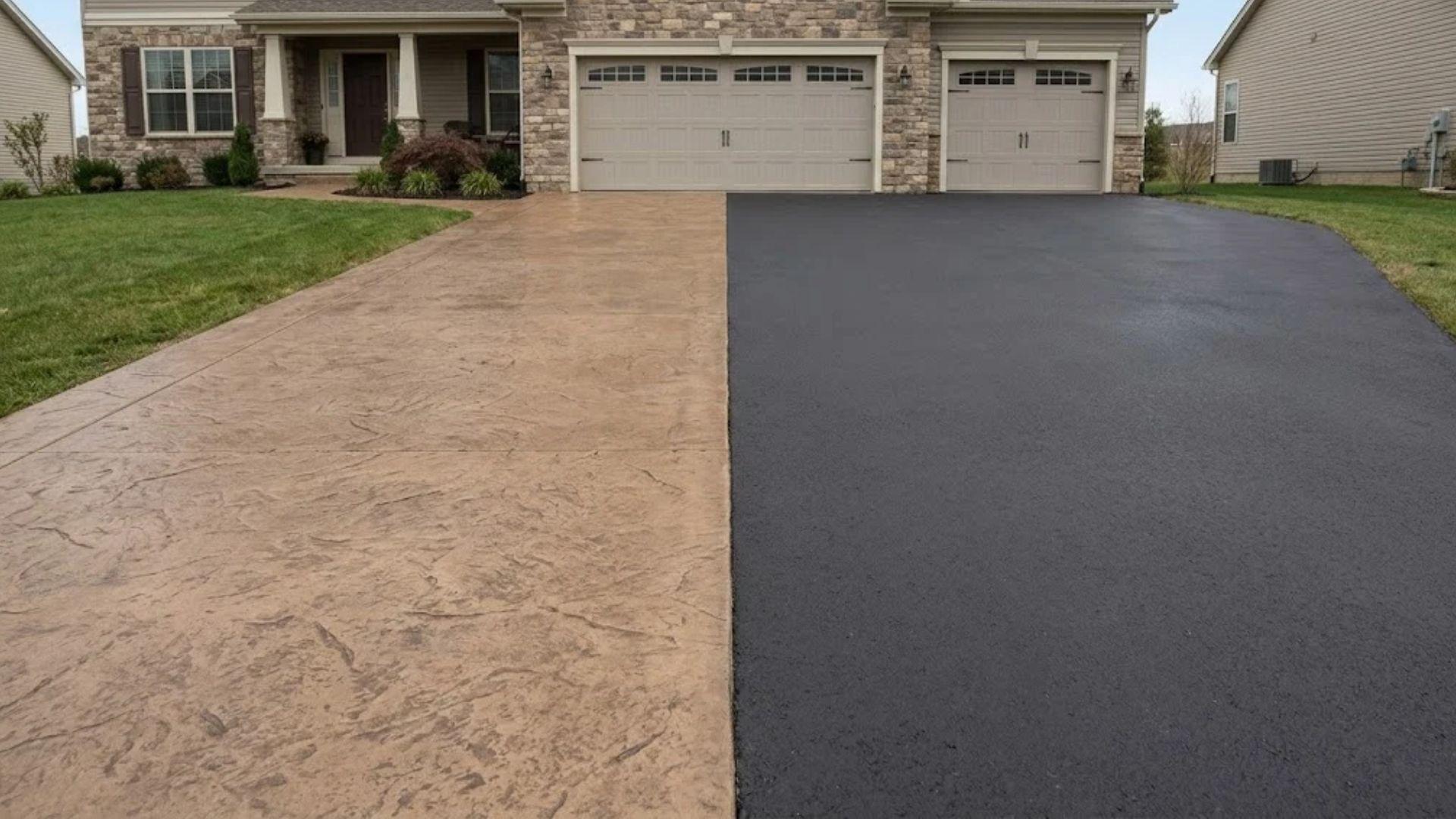
Now, if your climate and your budget are pulling you two different directions, or you’re stuck right in the middle, let’s settle it. Asphalt gives you plain black or gray, that’s it. Concrete, you can stamp it, stain it, color it about any way you want.
When it’s that close on the practical side, go with whichever one you’d actually enjoy looking at every morning walking out your door.
Making the Right Choice
The concrete versus asphalt question really comes down to how each one handles stress, not just what it runs you on day one.
Concrete holds firm and it lasts longer. Asphalt flexes and it costs you less to start. Neither one’s wrong. They just suit different folks.
Match the material to your climate and your budget, and you’ll steer clear of the regret that comes from picking on price alone.
I’ve seen that regret plenty of times, and it’s an expensive lesson to learn twice.
Frequently Asked Questions
Is 2 inches of asphalt enough for a driveway?
Two inches’ll get you by for light residential use, but most of us in the trade recommend 3 to 4 inches if you want it to actually hold up. Go thinner and it wears faster, cracks easier under the weight of a vehicle. And here’s the thing folks forget that gravel base underneath matters just as much as how thick the asphalt is on top.
Does an asphalt driveway increase property taxes?
The material alone usually isn’t gonna trigger a reassessment by itself, but any permanent improvement to the property, new asphalt, new concrete, doesn’t matter which can factor into your home’s assessed value depending on how your county does things. Call your assessor before you commit. Saves you a surprise later.
Why does Texas use concrete instead of asphalt?
That heat down there softens asphalt up and you get tire ruts forming under sustained heat and heavy loads. Concrete just doesn’t soften the same way it stays structurally sound even when it’s hot enough to fry an egg on. That’s why you see concrete specified more for roads and driveways in a hot state like that.