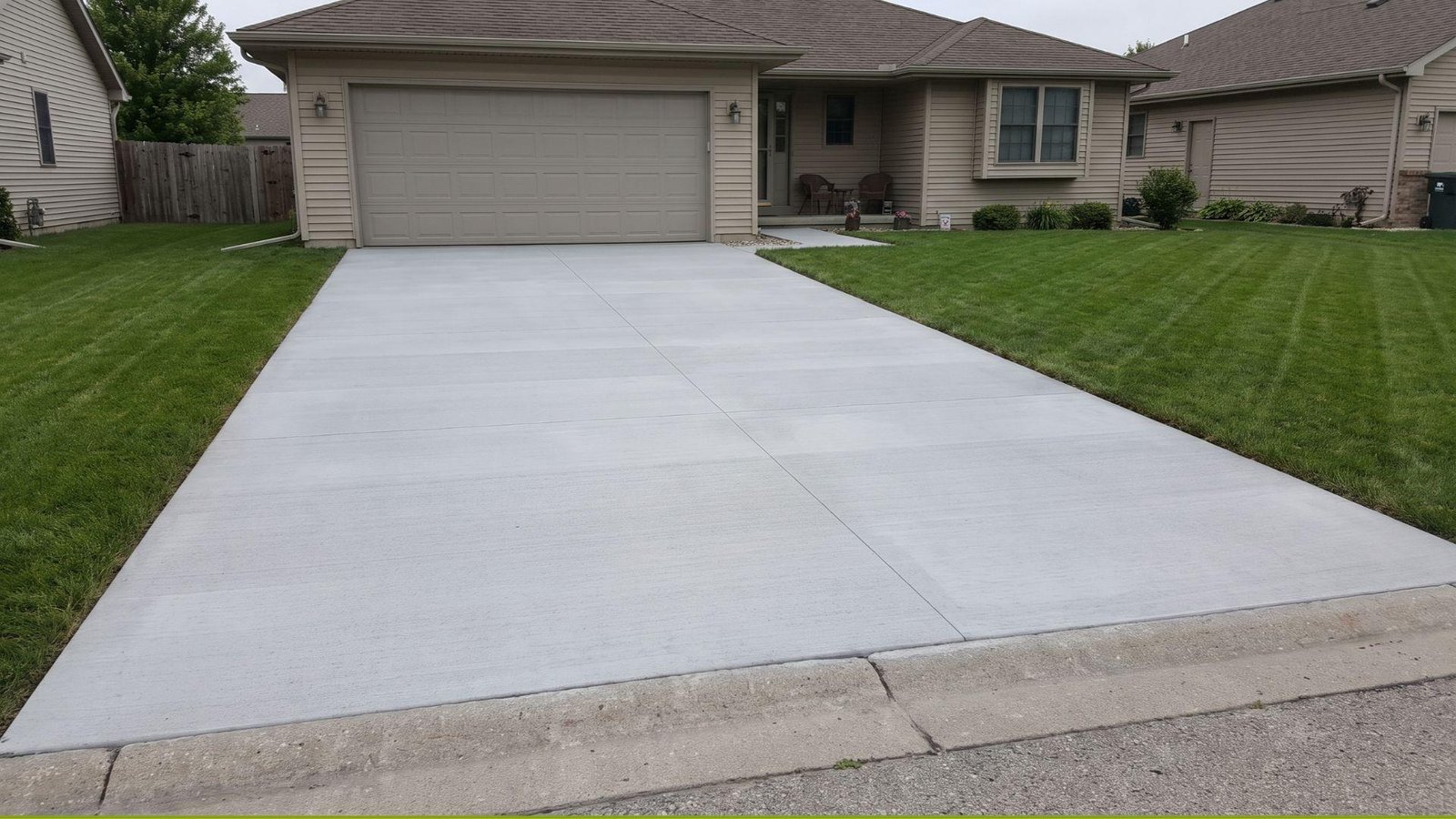

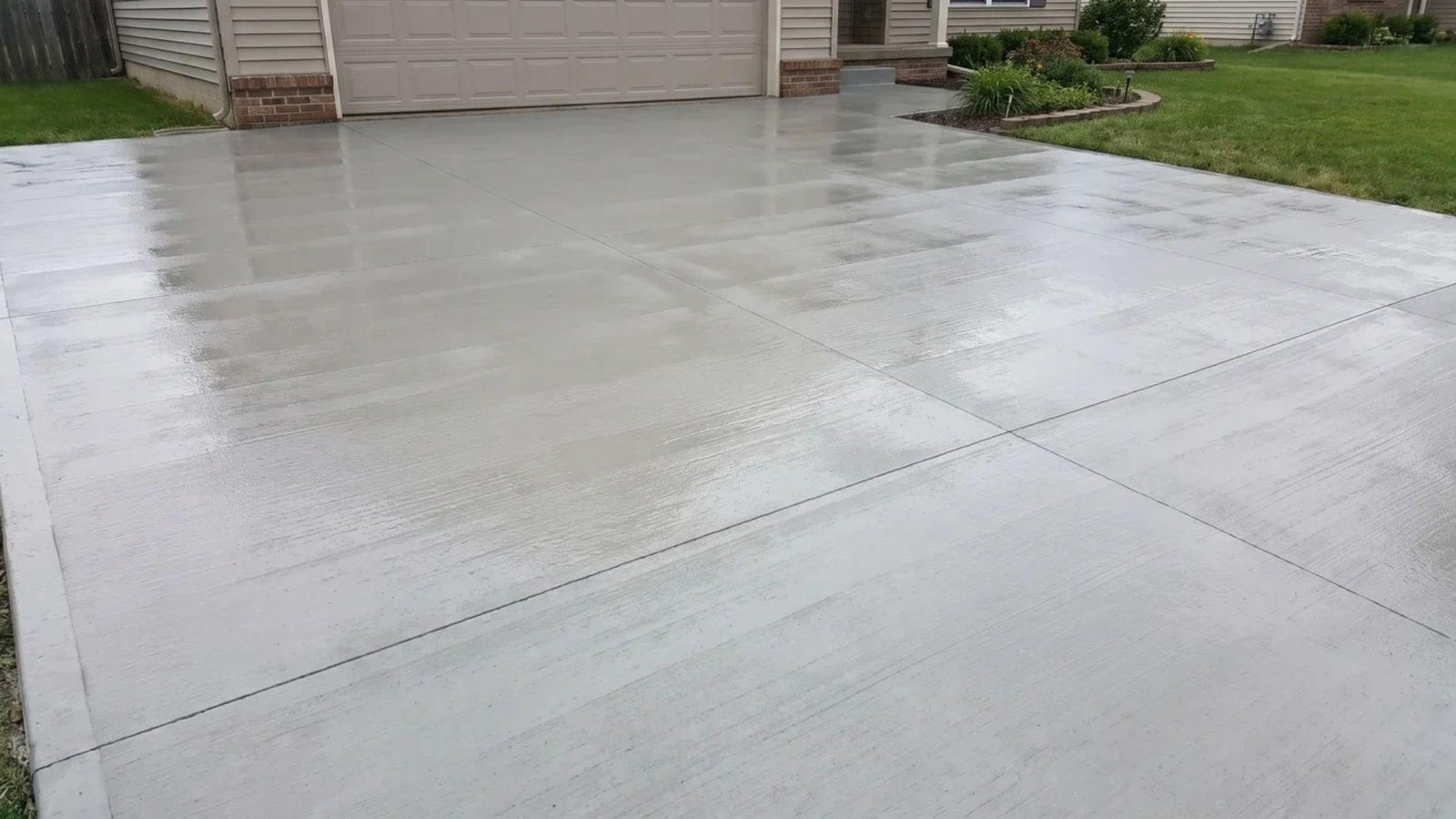
One guy called me up a few years back, all worried about his driveway, wanted to know if he’d made a mistake not sealing it the first year.
I told him, hold on now, let me ask you a few things before I answer that, because this isn’t a yes or no for everybody, you know what I mean?
I’ve walked driveways that went five, six years without a seal and held up fine, and I’ve walked others that started flaking inside two winters… same mix, same pour, the only thing missing was that coat of sealer.
So that’s what we’re going to get into here. Not “does everybody need to seal,” because that’s not true, but whether your situation calls for it.
What Are Your Options? Seal It or Leave It Bare
Now, once that driveway cures, you’ve got two roads you can go down. Seal it, or leave it bare.
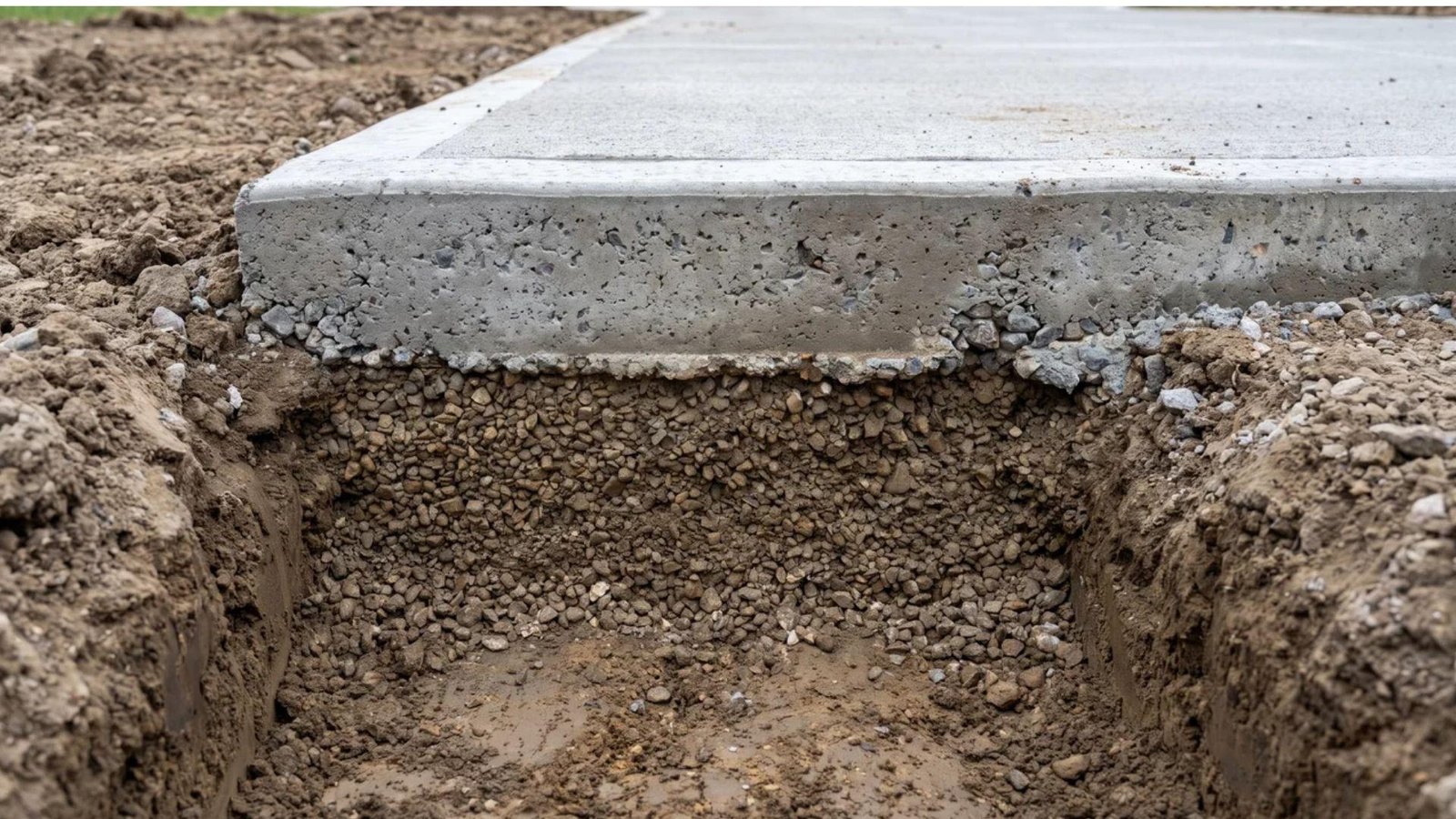
Sealing means you’re putting a coating on there that soaks into the surface and fills up the little pores in the concrete. Leave it bare and those pores stay open, same as they were the day it cured.
I’ve walked driveways that went both ways over the years, and I’ll tell you, neither one is automatically the wrong call. Depends what that driveway’s actually got to deal with day in and day out.
What Do You Gain, and What Do You Give Up?
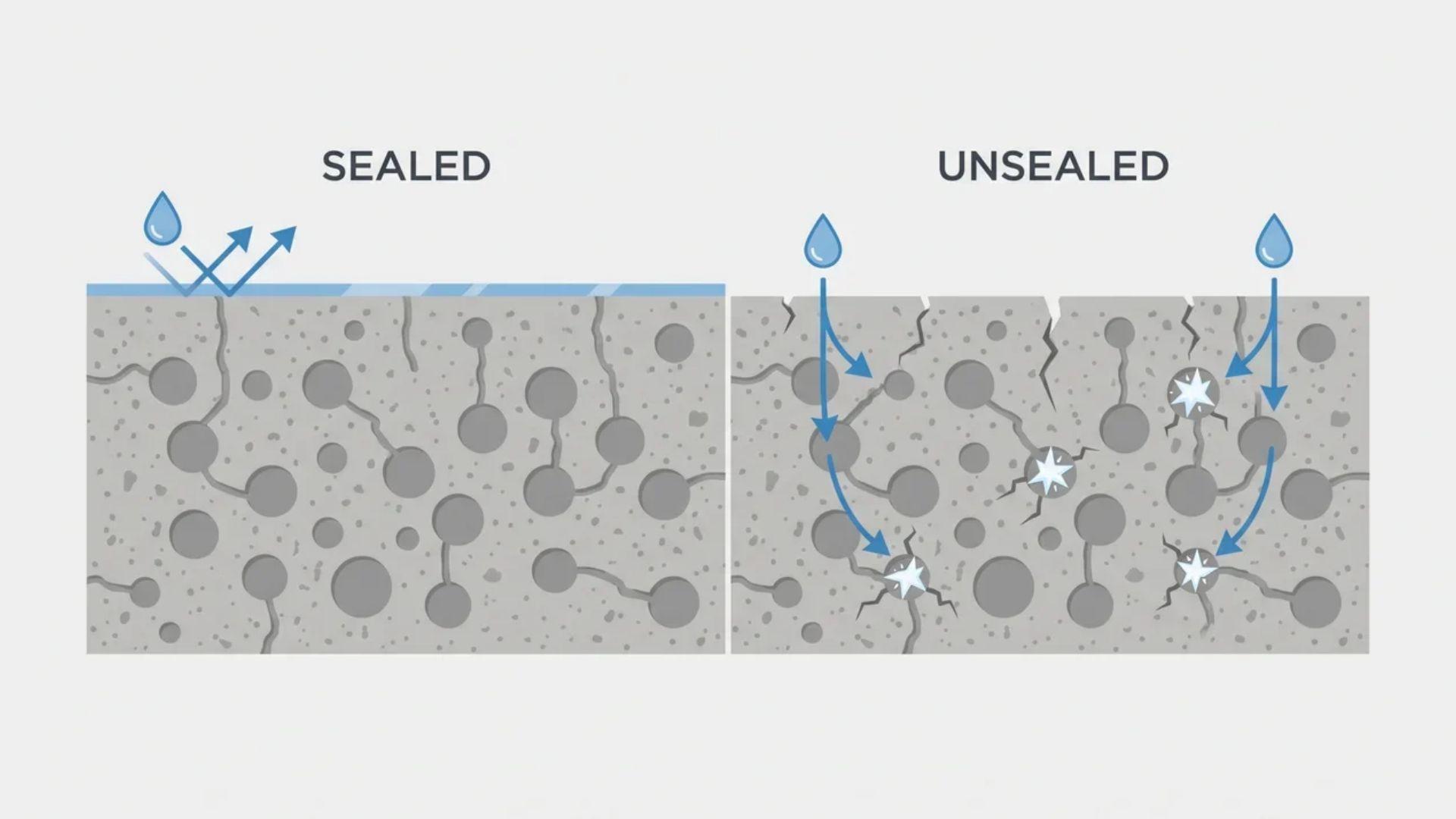
Here’s the thing about sealing. It protects you from stains and cracking, but it costs you time and money down the road, and I don’t think enough people sit down and actually weigh that out.
You gain protection from oil and grease and whatever fluids your car decides to drip. You gain a barrier against that de-icing salt eating away at things.
You gain lower risk of your driveway cracking from freeze-thaw, and you get a cleaner, more finished look out of it.
What you give up is resealing every three to five years, the ongoing cost that comes with that, a surface that can get a little slippery on you if you skip the non-slip additive, and just extra upkeep you didn’t have before.
Now the cracking part, I want to slow down on that one, because people repeat it without really knowing why it’s true. Concrete’s porous. Water gets down in those pores and just sits there.
Temperature drops, water freezes, and ice takes up about 9% more space than water did to begin with. That expansion’s got nowhere to go but outward, so the surface flakes or cracks under the pressure.
Fellas in the trade call that spalling. Seal the surface right, and water can’t get into those pores in the first place. No water in, no expansion, no cracking from that cause.
That’s really what you’re weighing here. An upfront job against a recurring one every few years.
What Actually Decides Whether You Need to Seal?
Climate by itself doesn’t answer this. It’s three things together, your freeze cycles, your moisture, and what chemicals that driveway’s exposed to.
I’ve seen two driveways with the same exact concrete need completely different treatment, because what each one deals with day to day just isn’t the same.
Climate and Freeze-Thaw
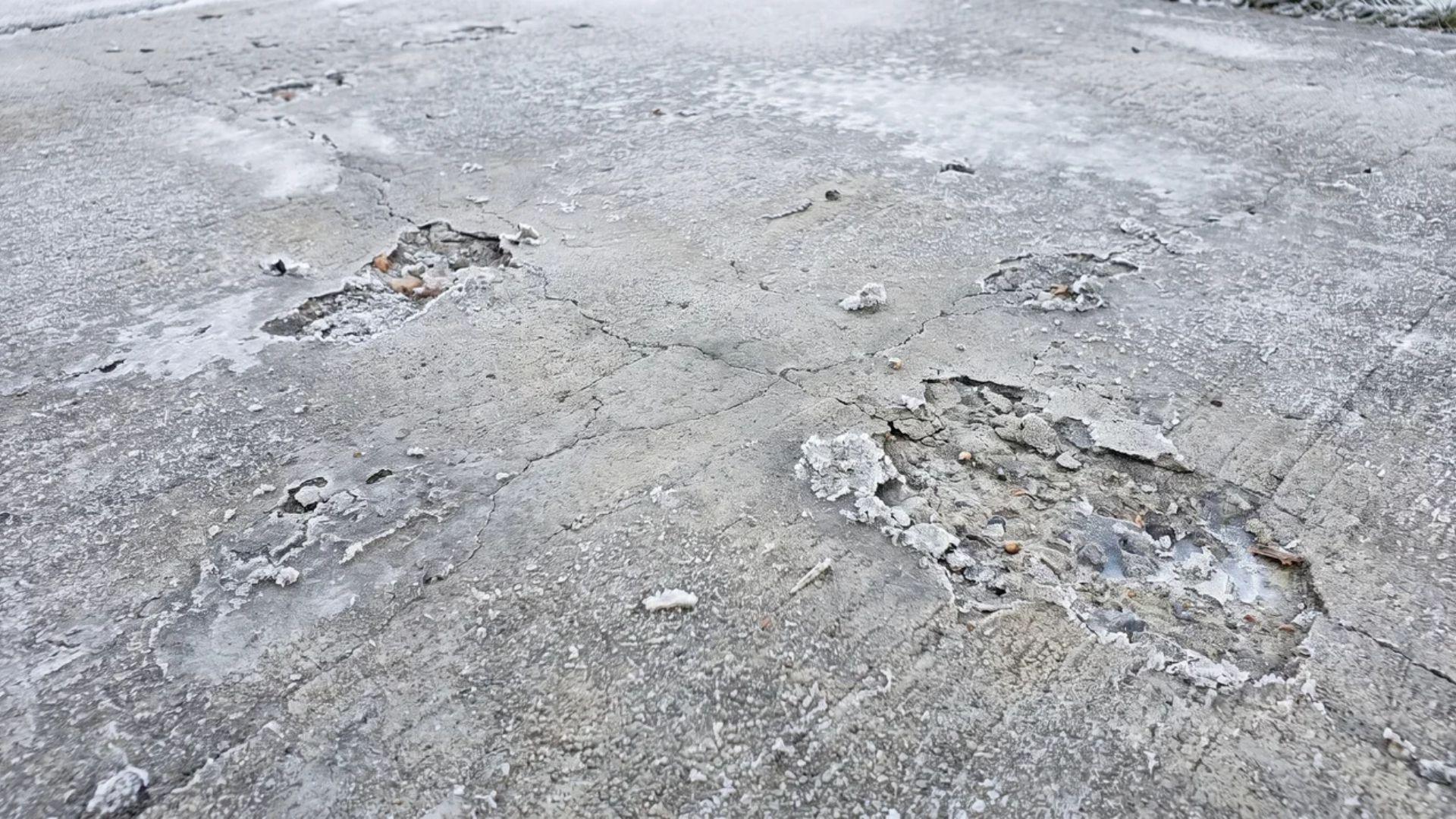
This is the big one, and it’s worth understanding properly. Freezing temperatures take trapped water and turn it into a cracking problem.
Now if your winters stay above freezing, that risk mostly goes away, because the water in those pores never expands, so the damage never even gets started.
But if you’re somewhere with real winters, your driveway’s facing that freeze-thaw cycle every single cold snap that comes through.
Decorative or Stamped Concrete
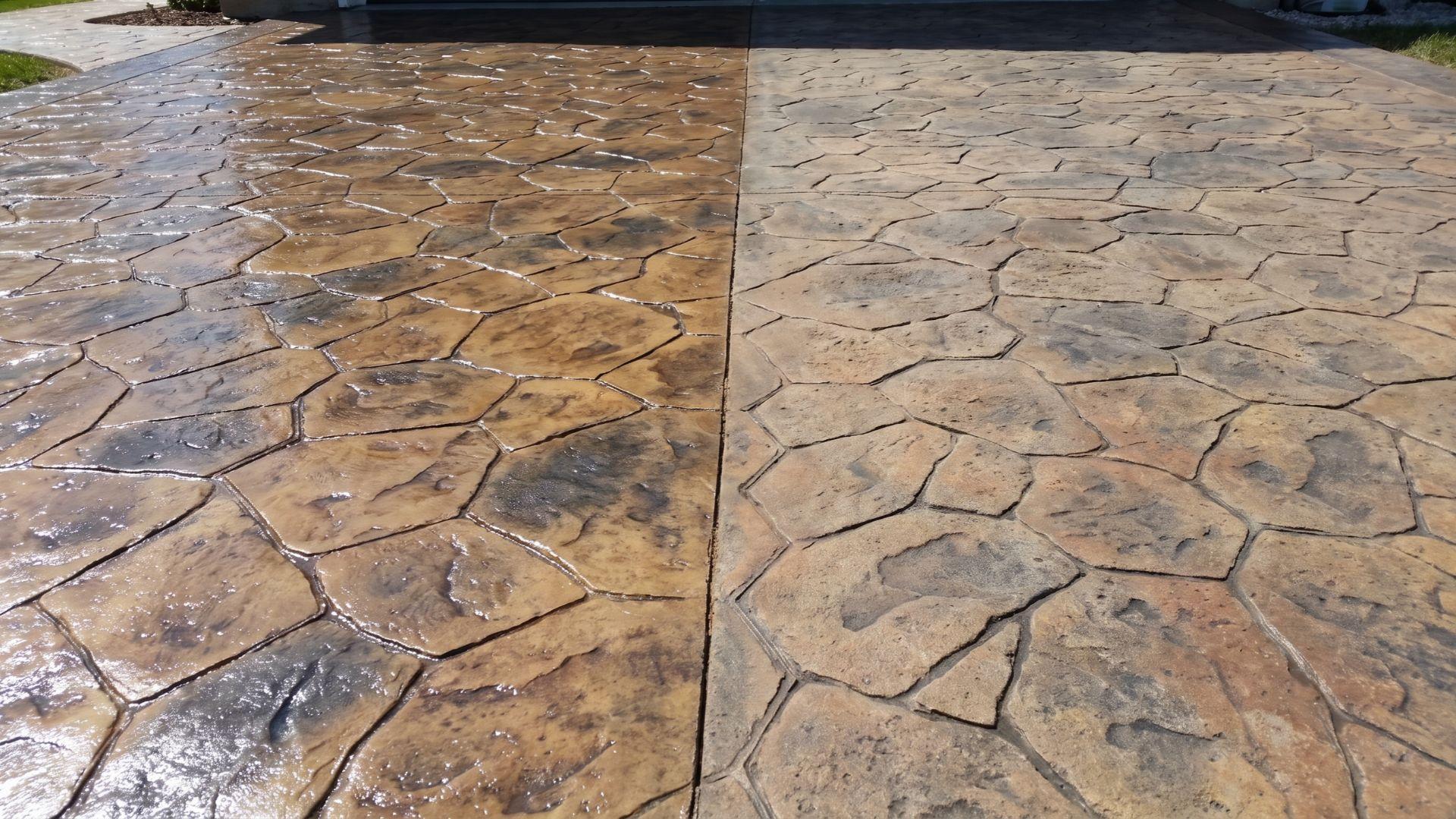
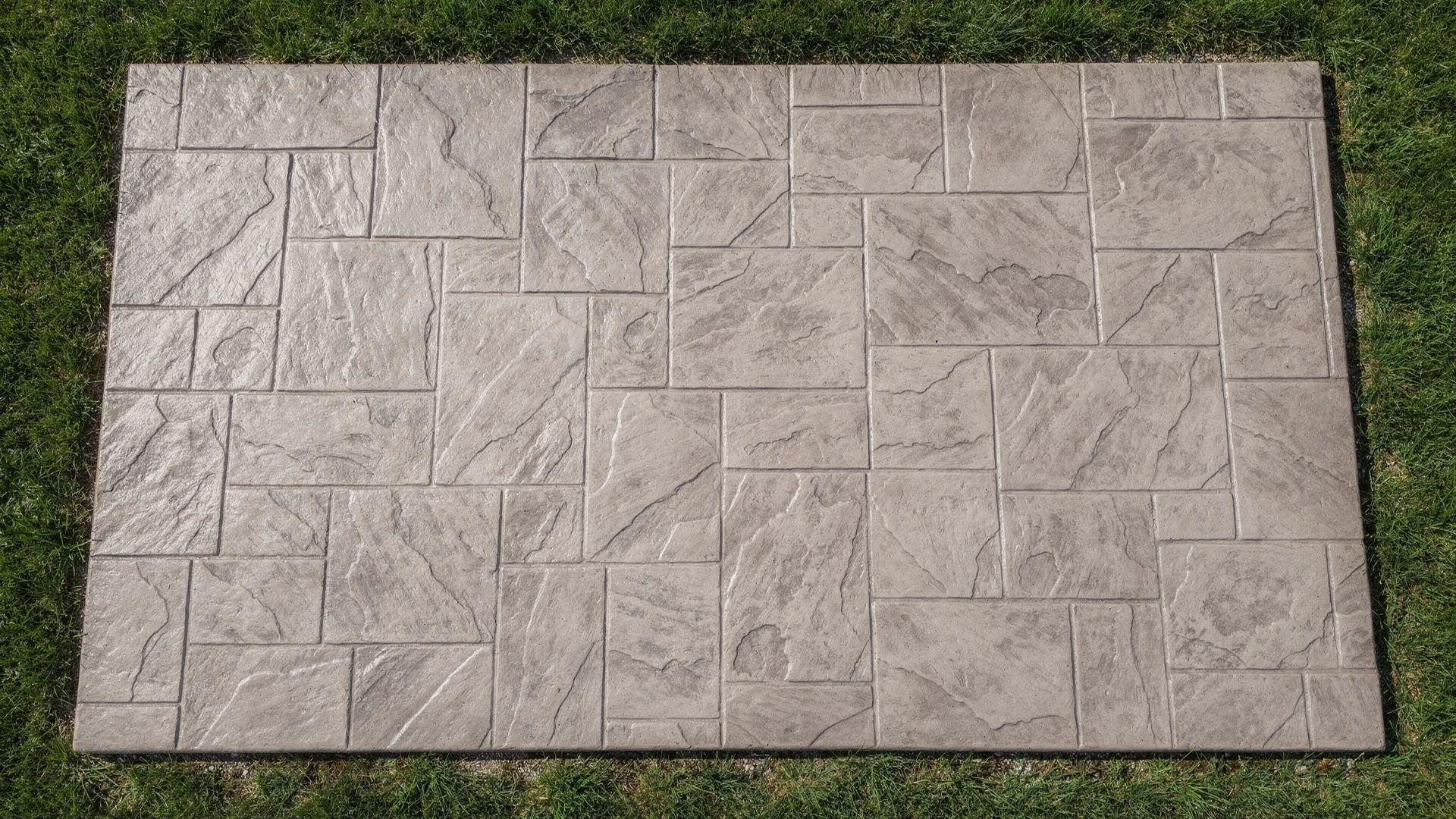
Now this one breaks the climate rule entirely, and I tell folks this all the time. Stamped, stained, colored concrete needs sealing for a whole different reason than the freeze-thaw stuff.
The sealer’s what locks in that color and texture. Skip it, and those decorative finishes fade and wear unevenly on you, even if you’re somewhere mild with zero freeze risk.
You paid extra for that look, sealing is what protects the money you put into it.
Drainage, Traffic, and De-Icing Salt
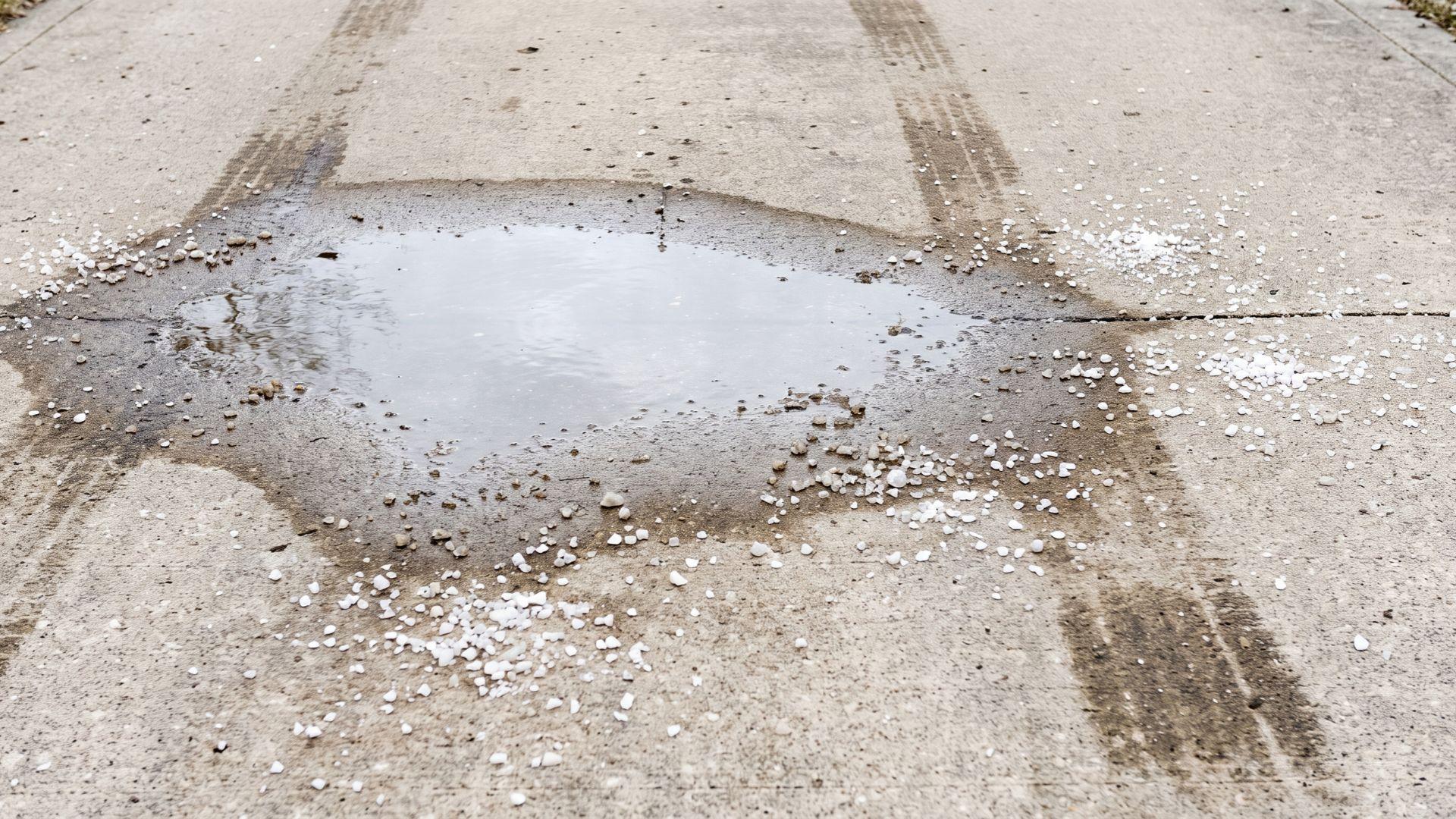
These three tend to run together, and each one raises your risk a little more. Poor drainage means water’s sitting on that surface longer, giving it more time to soak in where it shouldn’t.
Heavy traffic wears the surface down faster, which exposes more of those pores over time. And de-icing salt, that’s a chemical attack stacked right on top of the freeze-thaw one.
I’ve torn up driveways where you could tell exactly which corner got the most salt, just by how bad it had gone.
So Should You Seal Your Driveway?
Not every driveway needs it. But most that deal with freeze-thaw cycles or have a decorative finish are going to benefit from it, I’ll tell you that.
Seal it if you get regular freezing winters, you use de-icing salt, or you’ve got stamped or colored concrete. You’re protecting against real damage there, not some imaginary risk somebody talked you into worrying about.
Skip it if you’ve got standard gray concrete, mild winters, and decent drainage. That concrete can hold up fine for years without ever seeing a sealer.
Here’s the part people miss, and I mean every time.
Sealing isn’t mandatory for every driveway, and it isn’t just cosmetic either. It’s a decision based on what your particular slab actually deals with.
And one more thing worth factoring in, sealing isn’t a one-time job. You’re signing up for resealing every three to five years, not just that first coat, and that recurring cost matters just as much as what you pay upfront.
What Should You Know Before You Seal?
Get the sealer type wrong, get the timing wrong, or skip the prep, and that sealing job fails early, I guarantee it. Three things determine whether it actually works.
- Sealer type, you want a breathable, penetrating sealer for a standard exterior driveway. Skip those glossy, film-forming sealers, because they sit right on top instead of soaking in, and that traps moisture underneath that’ll peel right off under vehicle tires.
- Timing, you wait at least 28 to 30 days after that pour before you seal anything. New concrete needs that long to fully cure, and if you seal too early you trap moisture in there that hasn’t finished escaping yet.
- Preparation, clean that concrete thoroughly, pressure washer or a stiff brush, then let it dry at least 24 hours before you put anything on it.
Get those three right and the sealer does its job the way it’s supposed to. Skip any one of them and you’re looking at peeling, trapped moisture, or a coat that fails inside a year. I don’t want to be the guy getting that callback.
Seal It or Leave It?
Not always, but your specific driveway’s probably got an answer if you look at it right.
Freeze cycles, de-icing salt, and decorative finishes tip things toward yes. Mild climates and standard gray concrete, a lot of times they just don’t need the extra protection.
The real mistake isn’t picking wrong. It’s not checking at all, and finding out the hard way after a winter full of cracks or a summer of stains sitting on there.
Walk your own driveway with what we talked about here in mind. If it’s leaning toward “seal it,” go on and start looking into the right penetrating sealer for your climate before your next cure window closes up on you.
Frequently Asked Questions
Is it worth it to seal a concrete driveway?
Depends what your driveway’s up against. Freeze cycles, de-icing salt, or decorative finishes make it worth the cost. Standard gray concrete in a mild, well-drained spot often doesn’t need it at all.
How much does it cost to seal a concrete driveway?
That depends on the size of your driveway, the sealer type, and where you’re at, so check your local pricing for an exact number. As a rough ballpark, DIY penetrating sealer runs about $0.50 to $1 per square foot in materials, while hiring it out typically lands between $1 and $3 per square foot once labor’s added in. Decorative topical sealers cost more than penetrating ones. Budget on resealing every three to five years, not just that one application.
Can you seal a concrete driveway yourself?
Yes, and it’s a decent DIY project for most homeowners. Take a thorough clean, a full dry period, and the right sealer picked for your climate. Renting a pressure washer usually covers the prep work.
Does sealing a driveway make it slippery?
It can, depending on what sealer you use. Those glossy, film-forming sealers are more likely to get slick when they’re wet. A breathable, penetrating sealer with a non-slip additive steers clear of that problem.