
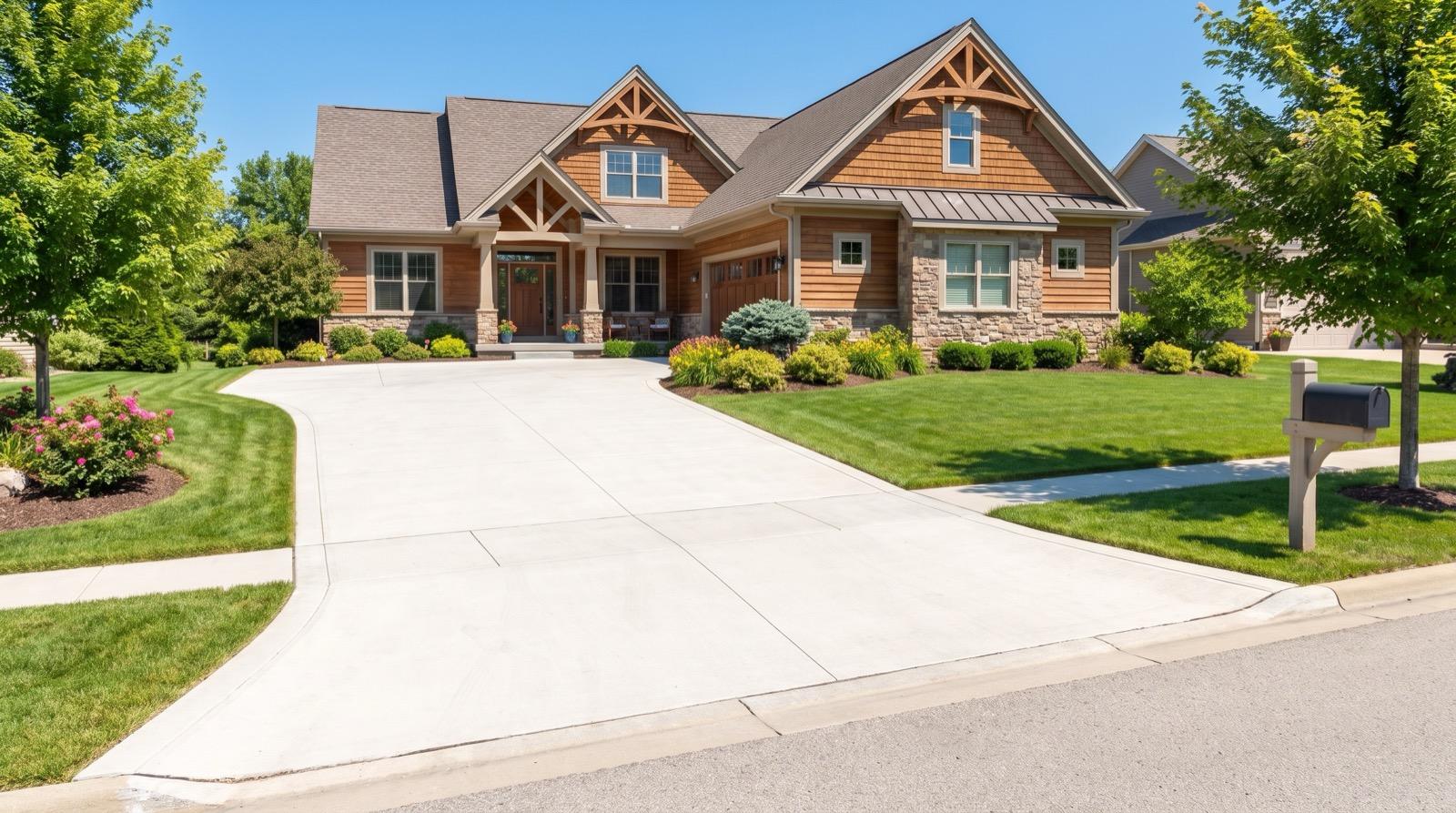
Had a fella call me up a few years back, driveway I'd poured for his folks back in the nineties, wanted to know if it'd hold another twenty. I told him the truth: depends what's underneath it, not just how old it is.
Twenty-five to thirty years is the number I give people. Build it right, take care of it, and you can push that past fifty. That's a long time to get out of something you pour once and mostly forget about.
Asphalt's a different animal. Fifteen, twenty years and you're looking at tearing it out again.
I've seen slabs from the nineties still flat and solid, and I've seen ones ten years old already falling apart at the edges. Difference almost never comes down to age. Comes down to how it went in the ground in the first place.
So let me walk you through what actually decides where you land on that range, and how you tell when it's time to stop patching and start over.
How Many Years Can a Concrete Driveway Last?
Ask five contractors this question, you'll get five different numbers, and none of them are lying to you exactly.
Some'll tell you twenty to twenty-five is the average. Others say twenty-five to thirty's more realistic if it's built right.
And if everything goes the way it should, the base, the mix, the upkeep, you can get fifty years out of it. That spread's not guys arguing just to argue.
It's two different things getting measured, is what it is.
The lower numbers are your average driveway, average upkeep, nothing special done to it either way.
The higher numbers are a driveway somebody did right from day one and kept after.
So the real question isn't what's the number, it's which end of that range you're aiming for, and that's mostly up to you, not luck.
Key Factors Affecting Lifespan
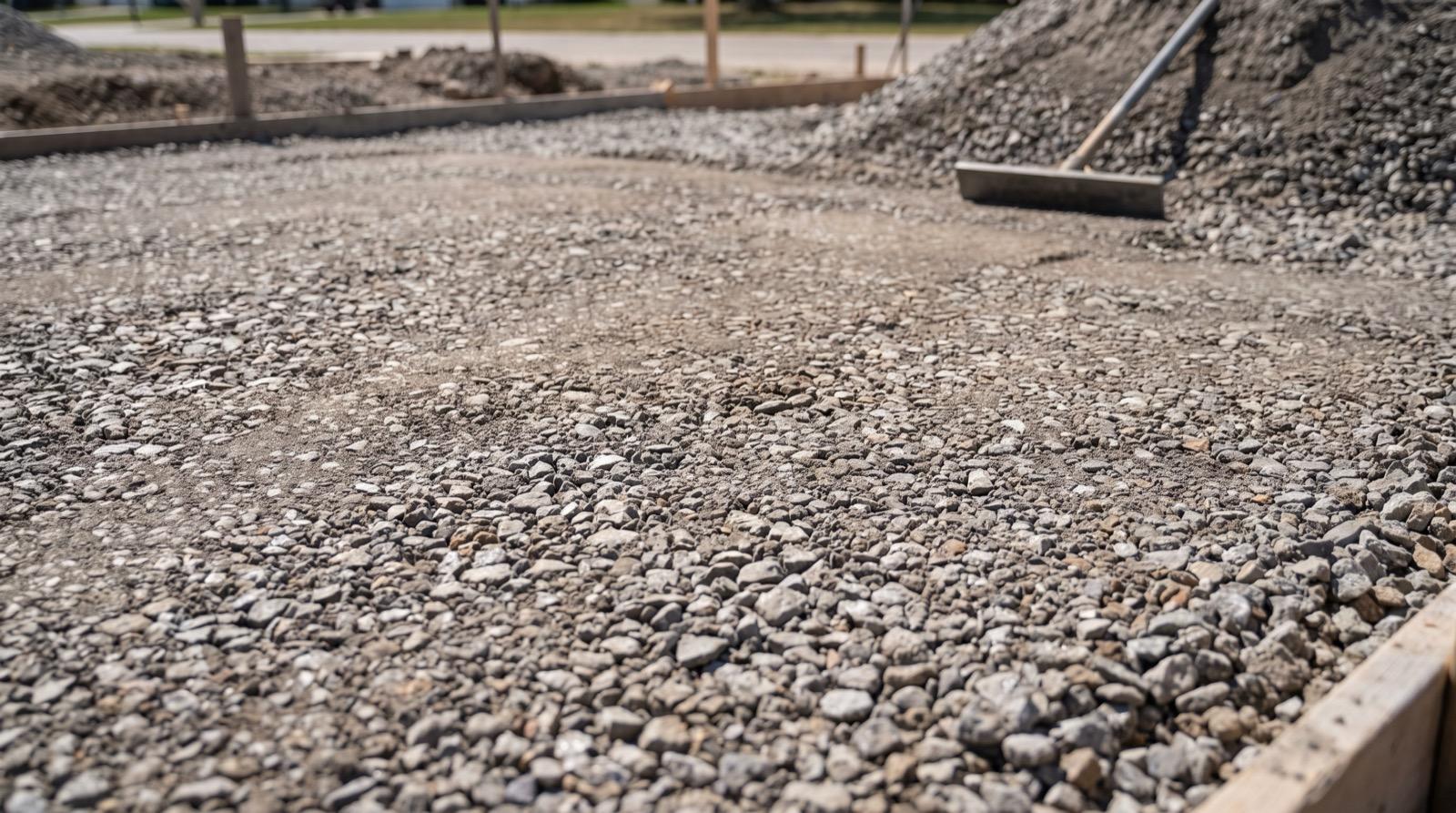
There's a handful of things that decide which end you land on, and none of them work alone. They all lean on each other.
1. Base Preparation
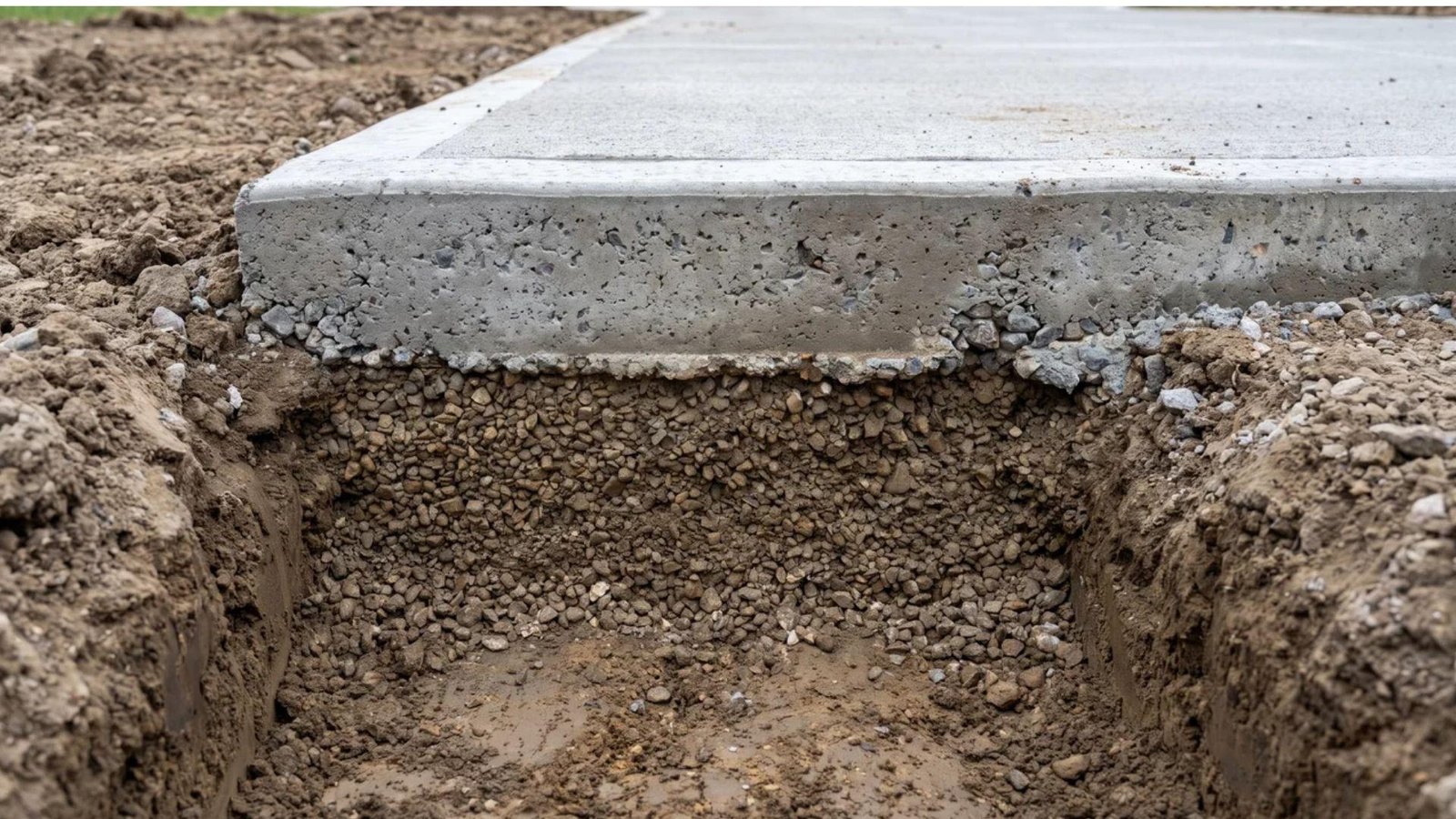
Now, I've said this in about every piece I've written for this site, but it bears repeating: the base is the job.
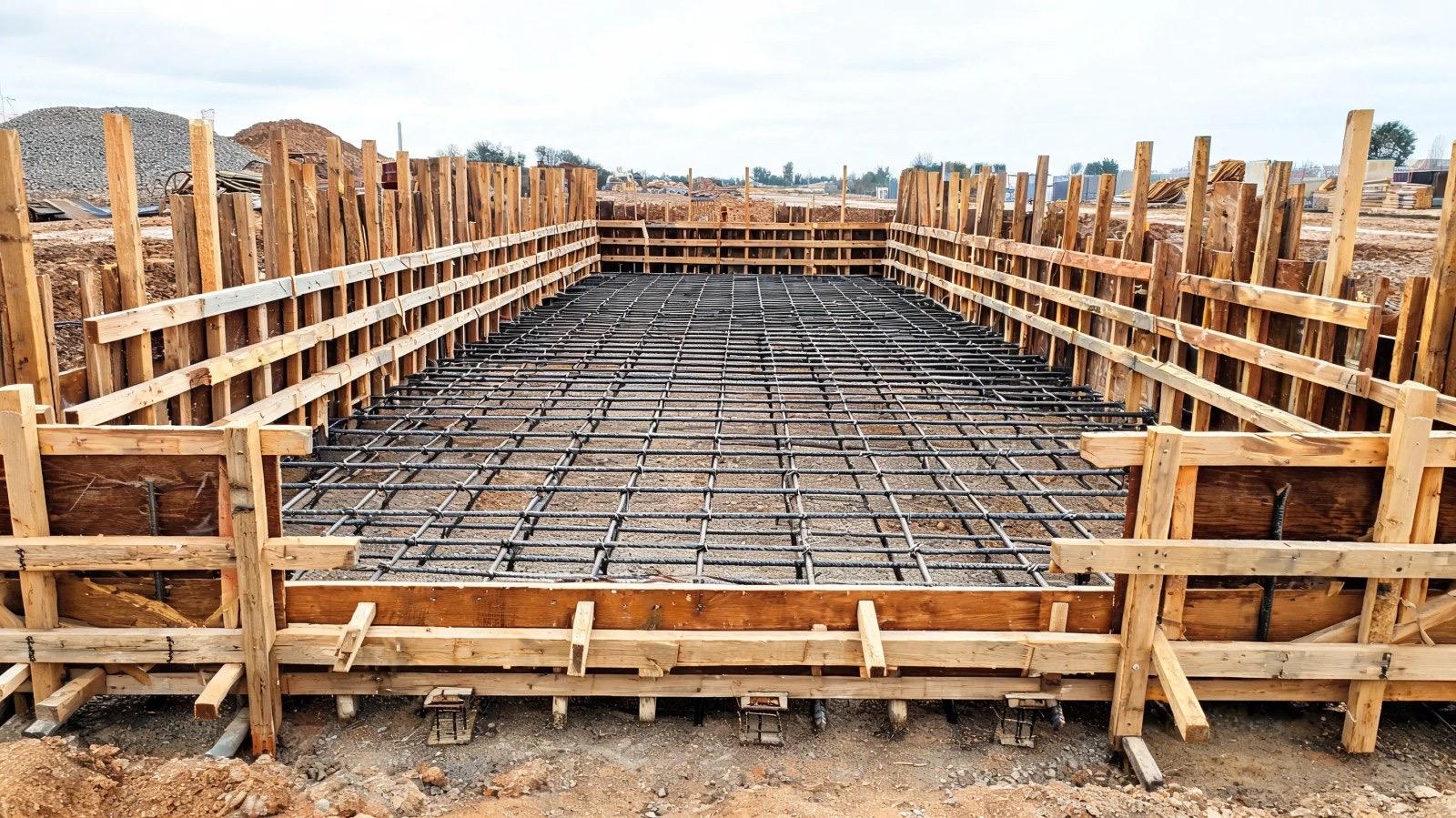
A good, compacted crushed stone base keeps the ground underneath from shifting around, and ground movement under the slab is behind most of the cracking you ever see on top.
You can pour a beautiful slab, finish it perfect, and it'll still crack on you if what's underneath moves.
I don't want to be the guy getting called back out for that, so I don't skimp there, and neither should whoever's pouring yours.
Skimping on base prep is the number one reason driveways go bad early. Number one, hands down.
2. Thickness
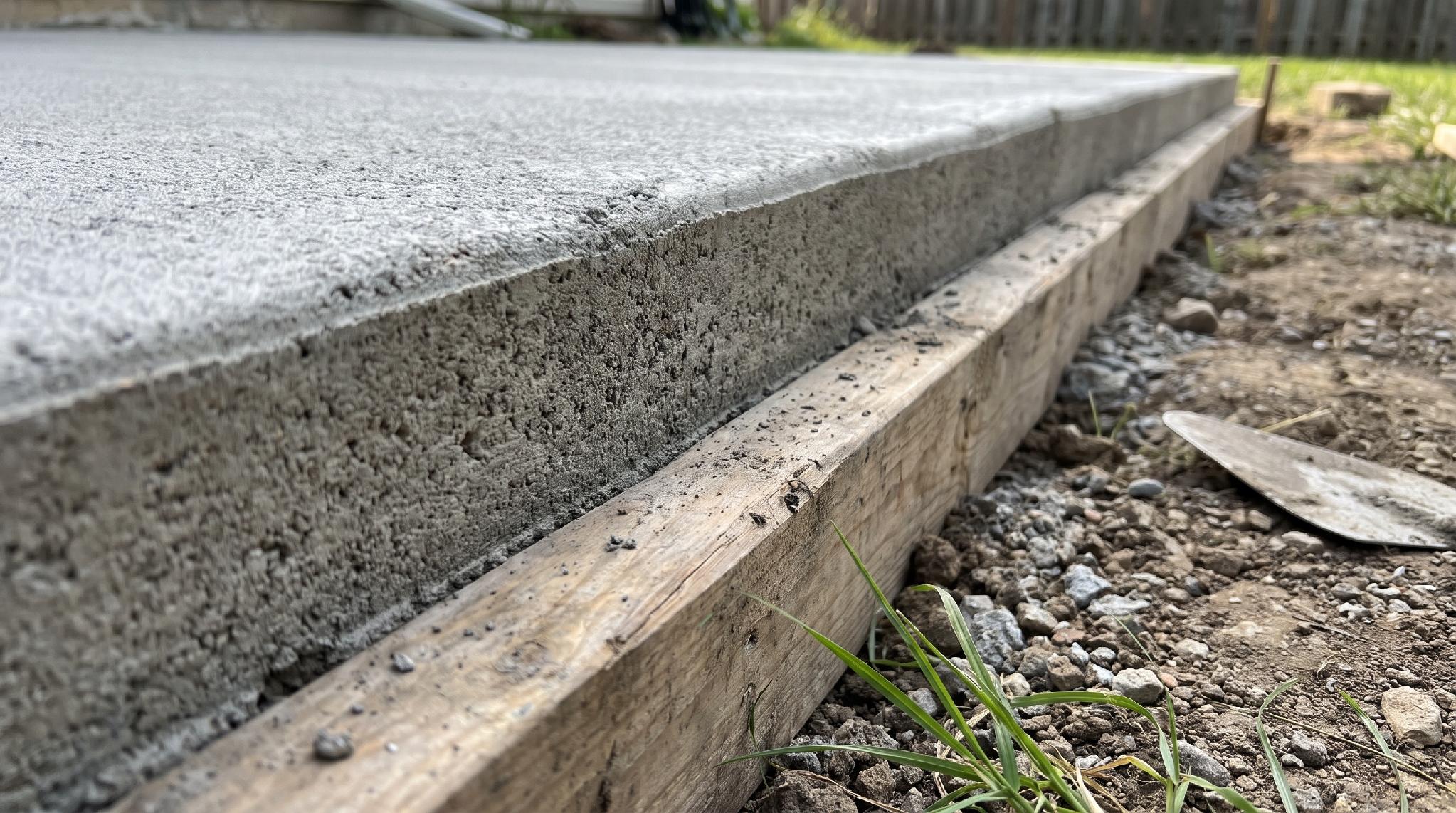
Standard residential driveway, you want at least 4 inches thick. Somebody's parking a truck or an RV on it regular, I'll go 5 to 6 inches, because that extra inch or two is cheap compared to what it costs you down the road.
3. Climate and Concrete Mix
Up here, freeze-thaw's the thing that ages a driveway faster than anything else. Air-entrained concrete, that's concrete with tiny air bubbles mixed right into it on purpose, holds up to frost a lot better than a plain mix will.
Those little bubbles give the water somewhere to go when it freezes and expands. Without them, that same pressure's got nowhere to go but into the concrete around it, and that's how you get cracking.
4. Chemicals and De-Icing Salts
Calcium or magnesium chloride de-icers work fast, I'll give them that, melt ice quick. But they're rough on concrete, and if you're heavy-handed with the salt every winter, you'll pit and weaken that surface over the years.
Oil and chemical spills, same story if you let them sit. If you're salting all winter, rinse that residue off come spring. Does more for the surface than most folks give it credit for.
5. Maintenance and Sealing
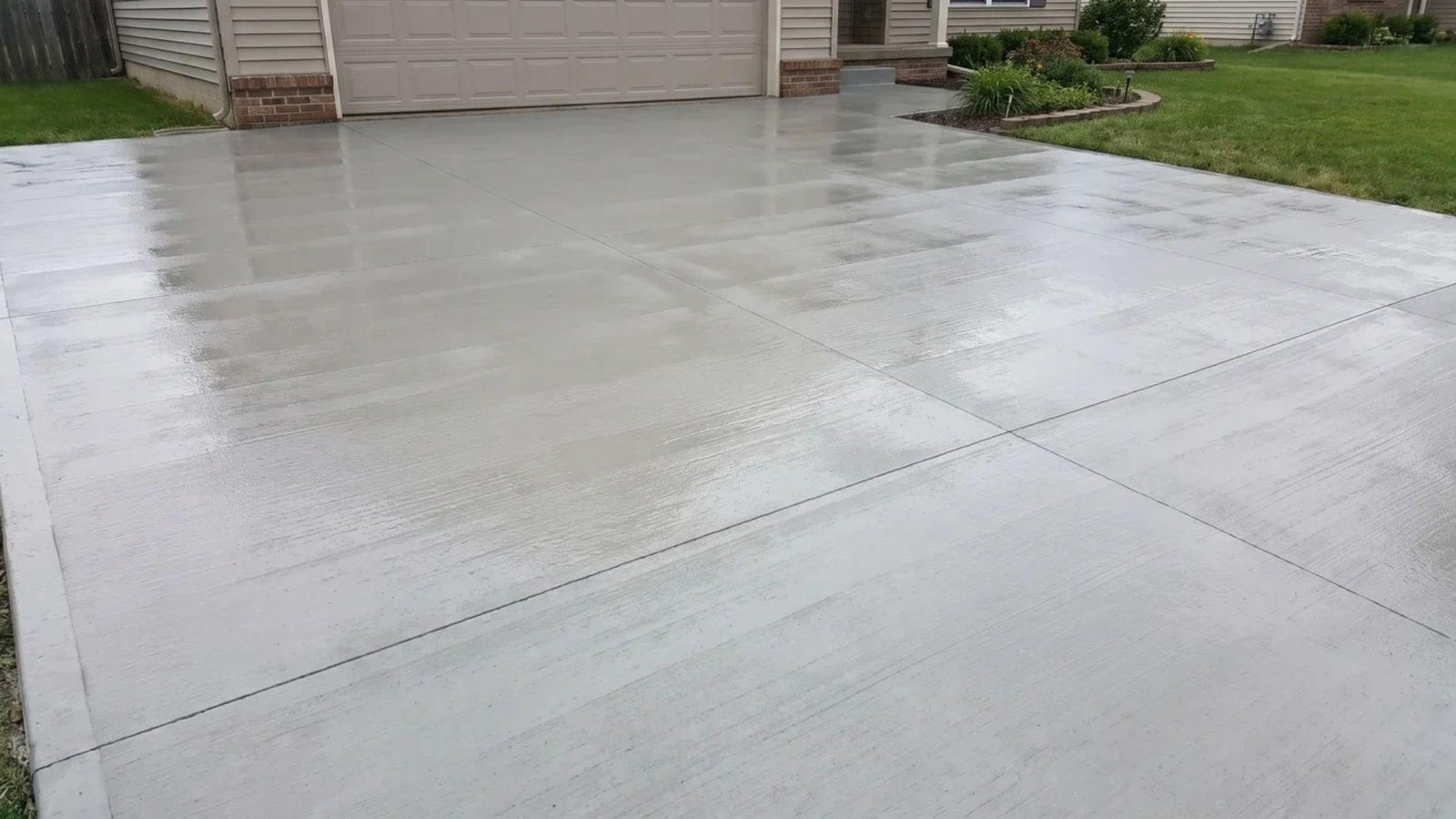
Sealing the surface every three to five years, resealing your control joints every two or three, keeps water out of where it's got no business being. Filling a small crack the day you notice it does the same job, just on a smaller scale.
This is the one piece that's on you, the homeowner, for the next thirty years, not the contractor. And it's the one most folks skip, every time.
Base, thickness, climate, that's all decided before the truck even shows up. Maintenance is the only one you keep having a say in for decades after, which is why I want to slow down on it a minute.
How Small Cracks Turn Into Big Problems
Most people figure concrete just wears out with age, like paint on a car fading out. That ain't really what's going on.
What actually takes years off a driveway is water. Plain and simple, water getting past the surface and down to that base underneath.
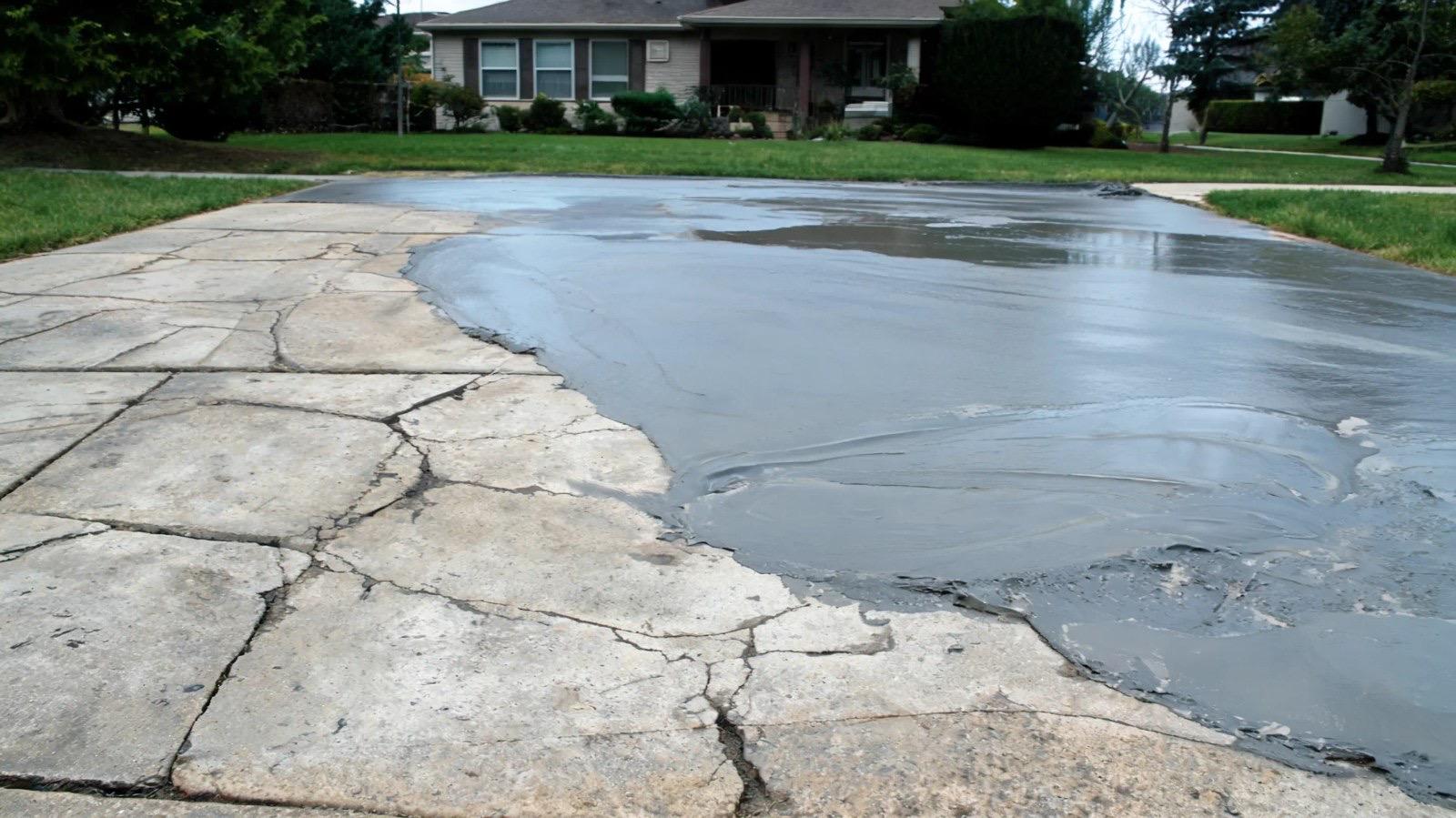
Here's how it goes, step by step. A hairline crack opens up, or a joint that never got sealed, and water finds its way in. Comes a cold winter, that water freezes, expands, and the crack gets a little wider. Happens again next winter. And the one after that.
Few winters of that, and a crack you could've walked right past turns into a real problem. That's why I don't think of sealing as cosmetic. It's the one thing standing between a hairline crack and a driveway that needs tearing out.
Down in warmer climates, no hard freeze to worry about, same water getting in still does damage, just a different kind. Instead of cracking the slab, it washes out the soil underneath, and then you're dealing with sinking and settling instead.
Either way you slice it, it starts the same place. Water got in where it had no business going.
Concrete vs. Asphalt: How They Compare
Folks come to me cross-shopping concrete against asphalt all the time before they commit to one or the other. Lifespan's the biggest piece of that decision, but it ain't the only one.
| Concrete | Asphalt | |
| Typical lifespan | 25 to 30 years, up to 50 with ideal care | 15 to 20 years |
| Maintenance needs | Lower, but sealing every few years still matters | Higher, needs regular sealcoating and crack repair |
| Upfront cost | Higher | Lower |
| Cold climate performance | Strong with air-entrained mix | Softens in heat, can rut under heavy loads |
Concrete costs you more going in, I won't pretend otherwise. But it usually costs less over the life of it, once you figure in how often you're resurfacing that asphalt.
Comes down to whether you're thinking about your budget today or your budget over the next twenty years.
Signs It's Time to Replace Your Driveway
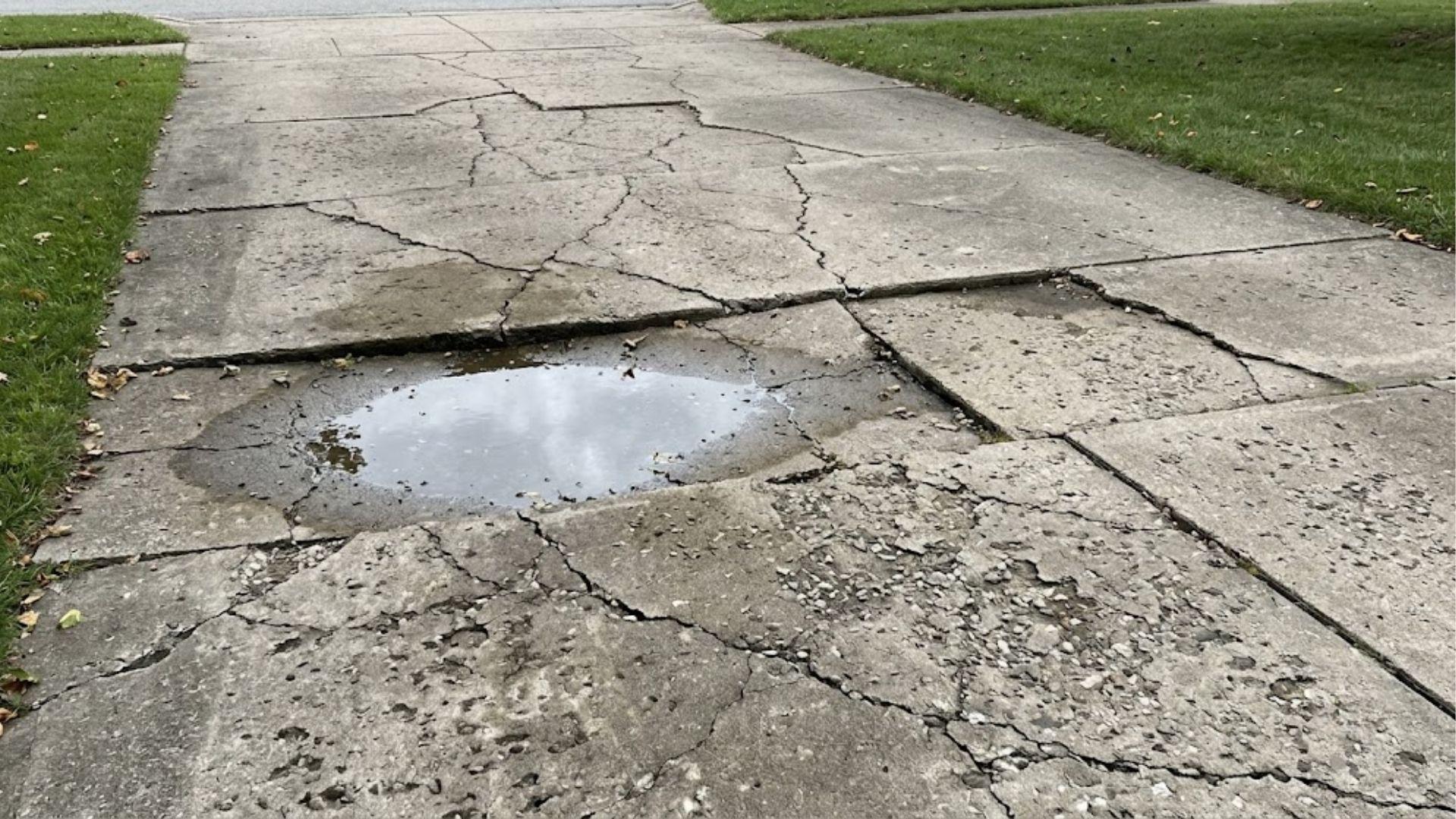
Now, not every crack means the whole driveway's done for, I patch plenty that don't need replacing.
But there's a few signs that tell you it's replacement time, not patch time, and you should know which is which before you ever call a contractor out.
- Severe cracking and spalling. Surface's flaking bad, or you've got a spiderweb of deep cracks running through it, patching's just throwing good money after bad at that point.
- Sinking and settling. Big dips, sections that don't sit level with each other anymore, that's telling you the soil underneath's eroded or the base has failed.
- Persistent pooling. Water pooling in the same spot every time it rains, that base is already compromised. No two ways about it.
You're seeing any one of those, a patch job's just putting off the bigger bill. Especially the base and settling stuff, you can't fix that from the top. The real problem's underneath where you can't even see it.
The Bottom Line
Twenty-five to thirty years, that's the honest number, fifty's there if everything lines up right. And the driveways that make it to that high end, they all share the same handful of traits.
Solid base. Right thickness. Sealed regular. Salt and water kept off it.
So that's about the size of it. Watch for the bad cracking, the sinking, the water that won't drain, those are your real signals it's time to replace it, not patch it again.
Frequently Asked Questions
How often should you replace a concrete driveway?
There's no set schedule I can give you. Most get replaced once the cracking or settling or surface damage turns structural instead of just cosmetic. Build it solid and seal it regular, and that day's a long way off, twenty-five, thirty years, sometimes more.
What are the downsides of a concrete driveway?
Costs more upfront than asphalt or gravel, I won't sugarcoat that. And patching an old slab, matching the color and texture to concrete that's aged a few years, that's harder than people expect.
How much does a 20×20 concrete driveway cost?
Depends on your local labor rates, how thick you're going, how much site prep that ground needs before anybody pours anything. Up here, needing an air-entrained mix for the cold adds to it too. A local quote's going to beat any number I give you off the top of my head.
Can a 20-year-old concrete driveway still be good?
Sure can, plenty of life left in most of them. Twenty-five to thirty years typical, so twenty years puts you closer to the middle than the end, especially if the base was done right and somebody's kept up with sealing it.
Does sealing a driveway really extend its life?
It does. Water's what causes most of the long-term damage, and sealing keeps it out. Seal it regular, fill your cracks quick when they show up, that's about the cheapest insurance you can buy for that driveway.