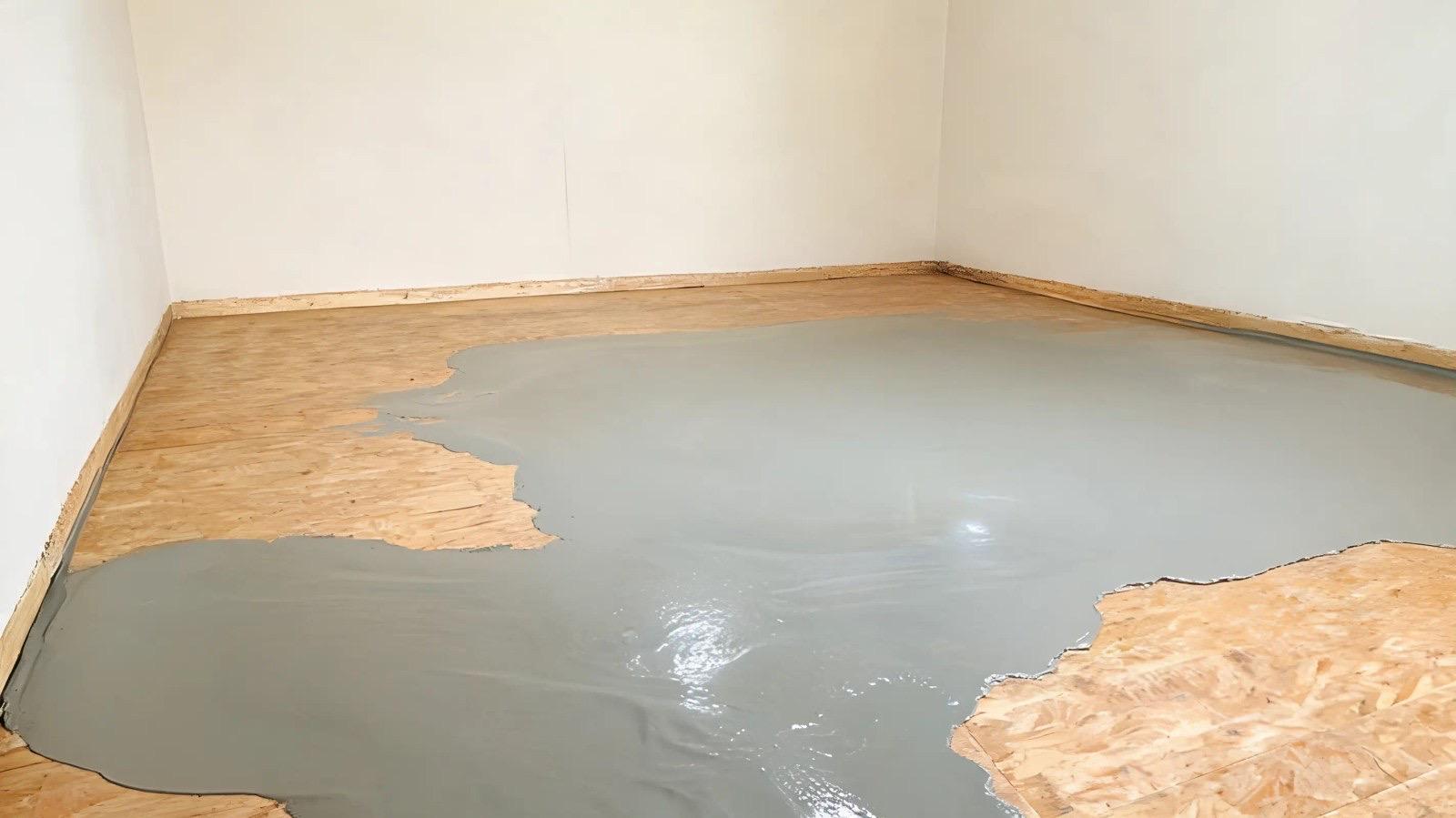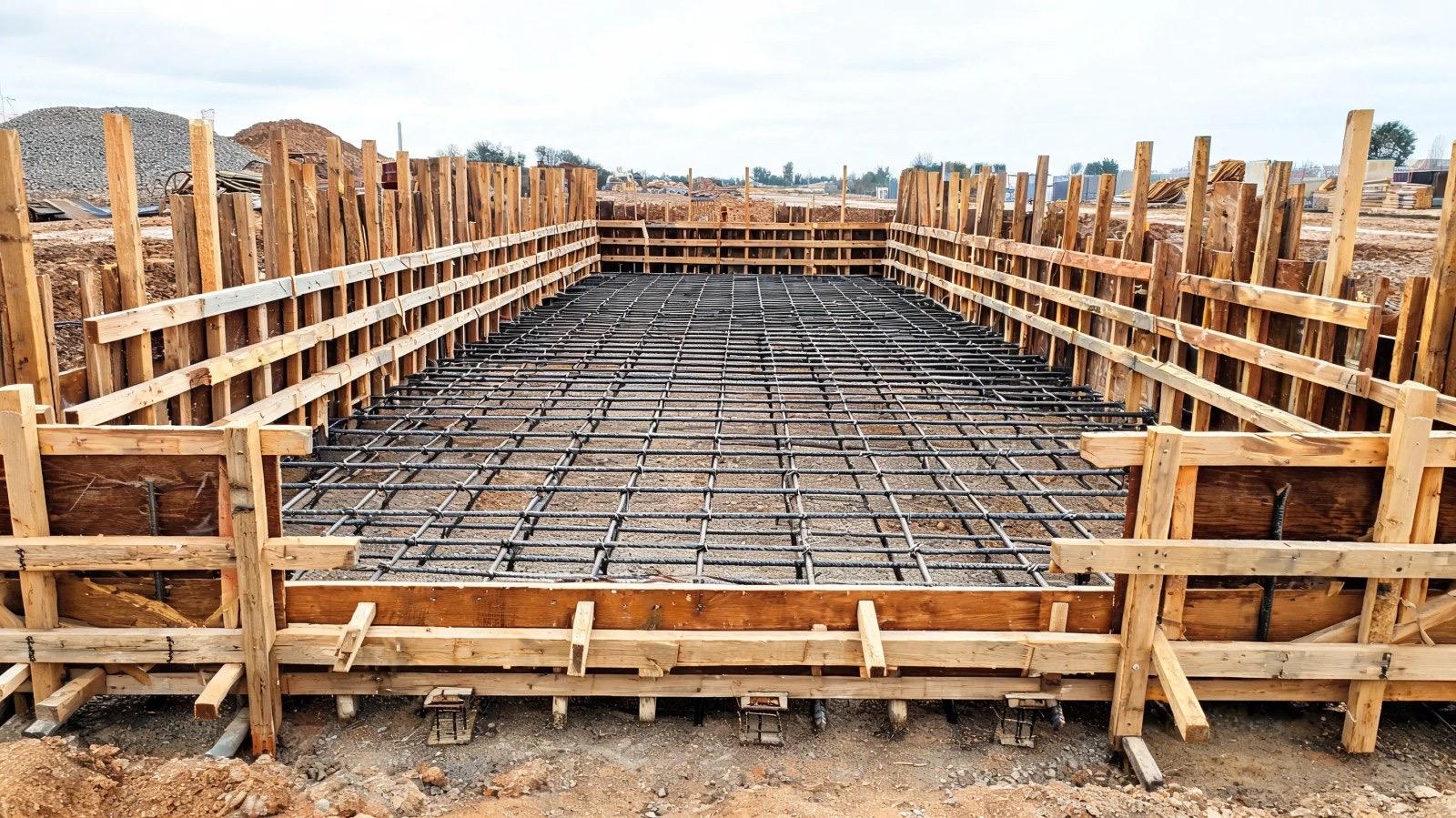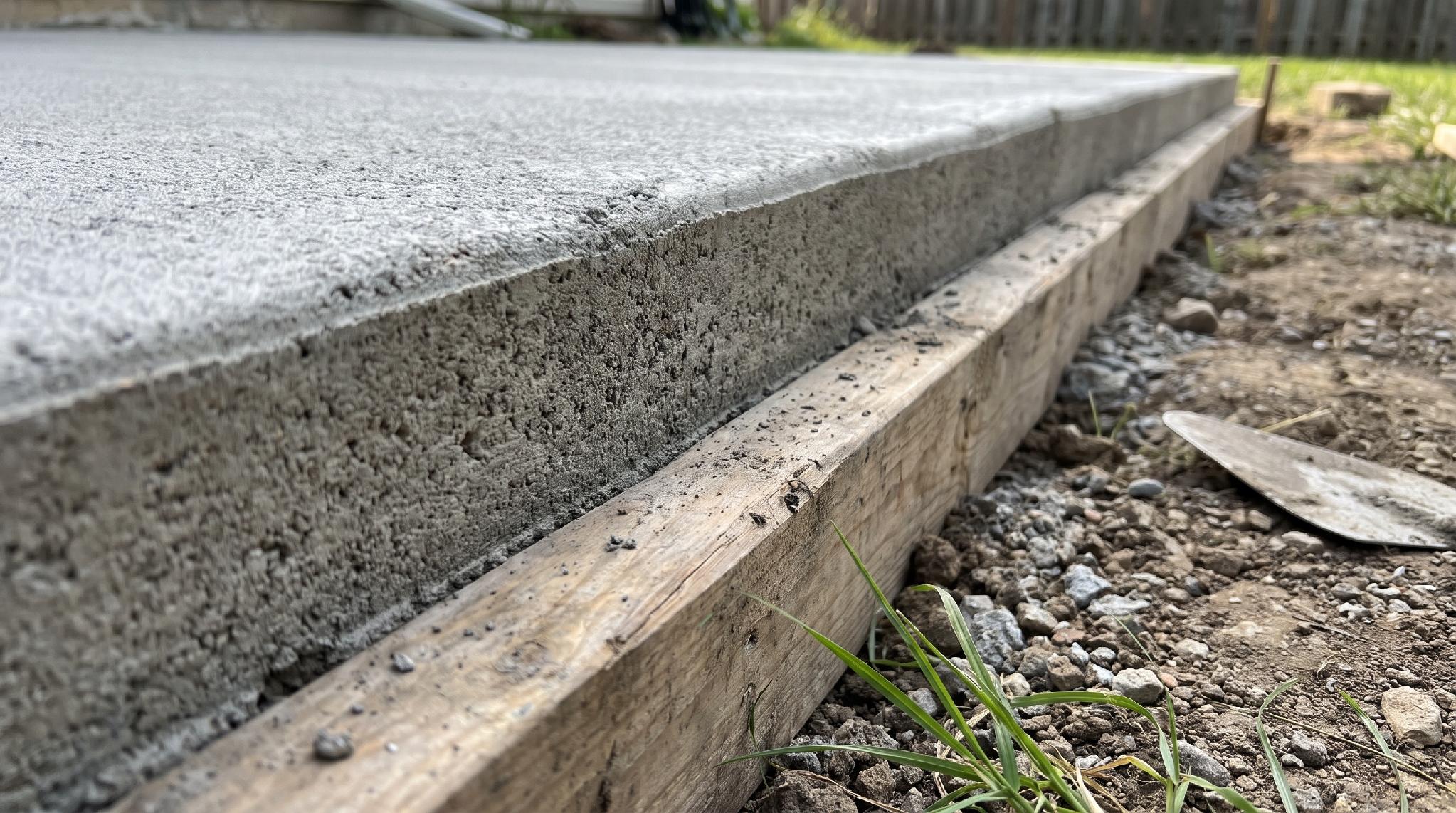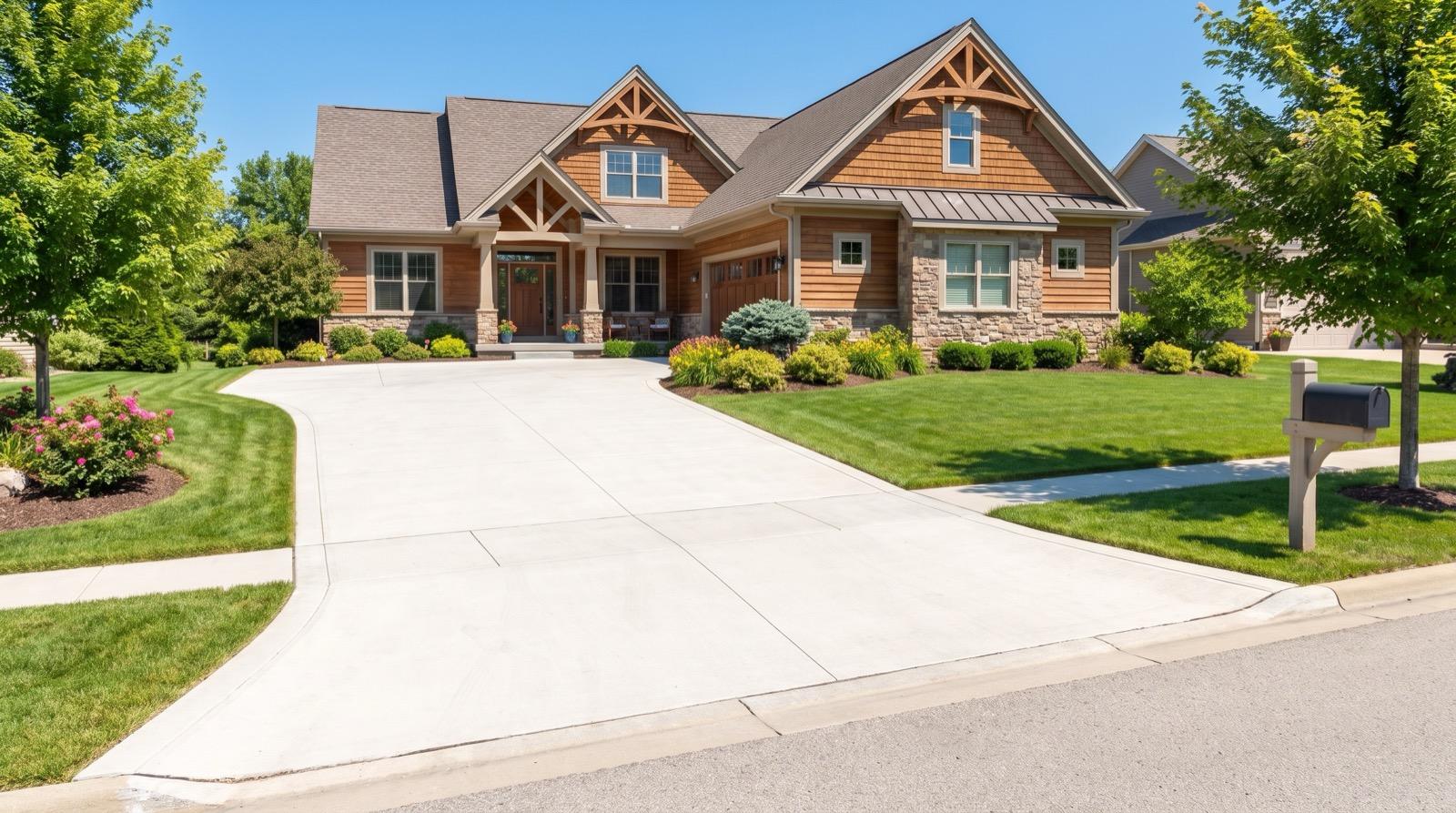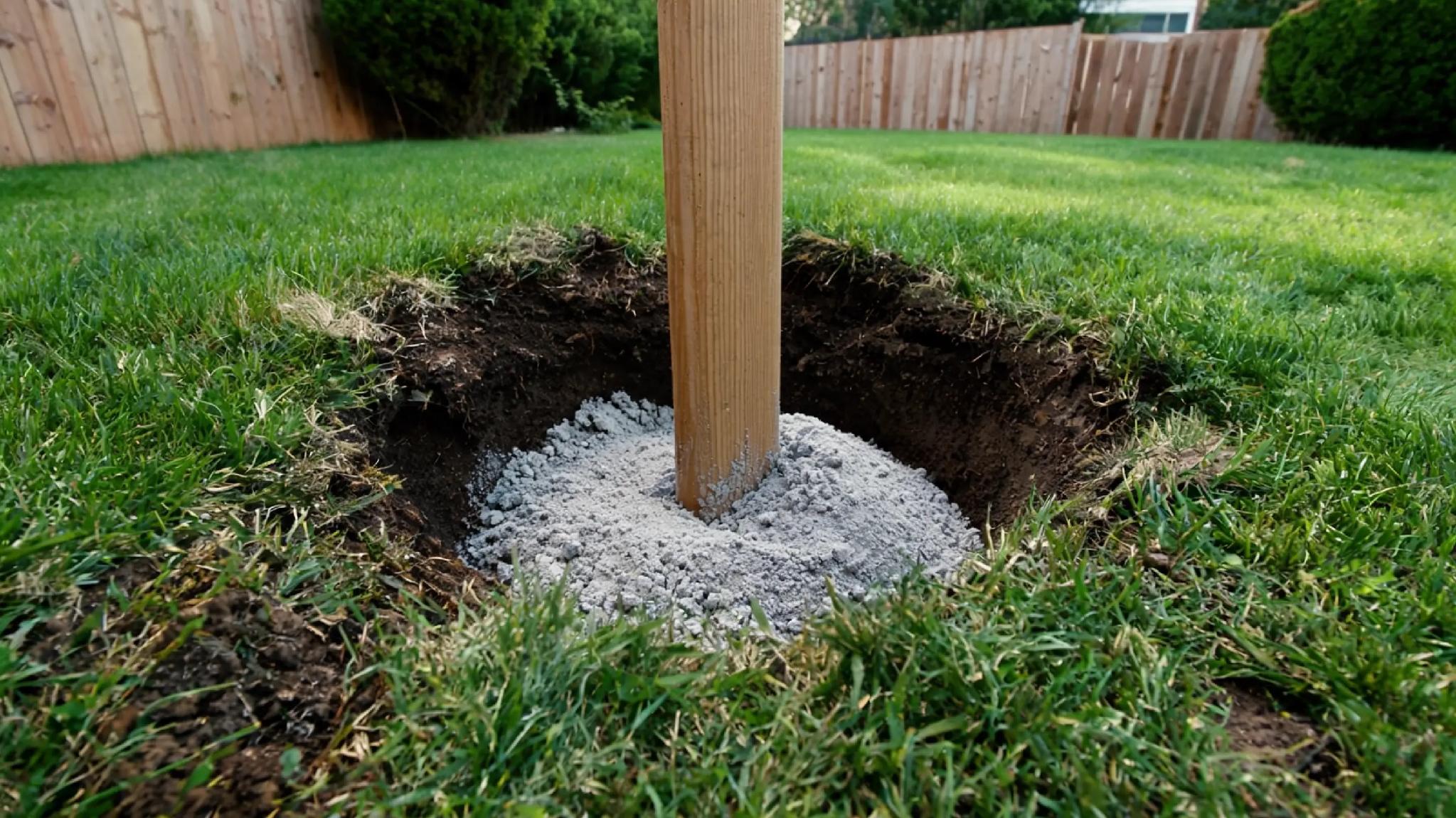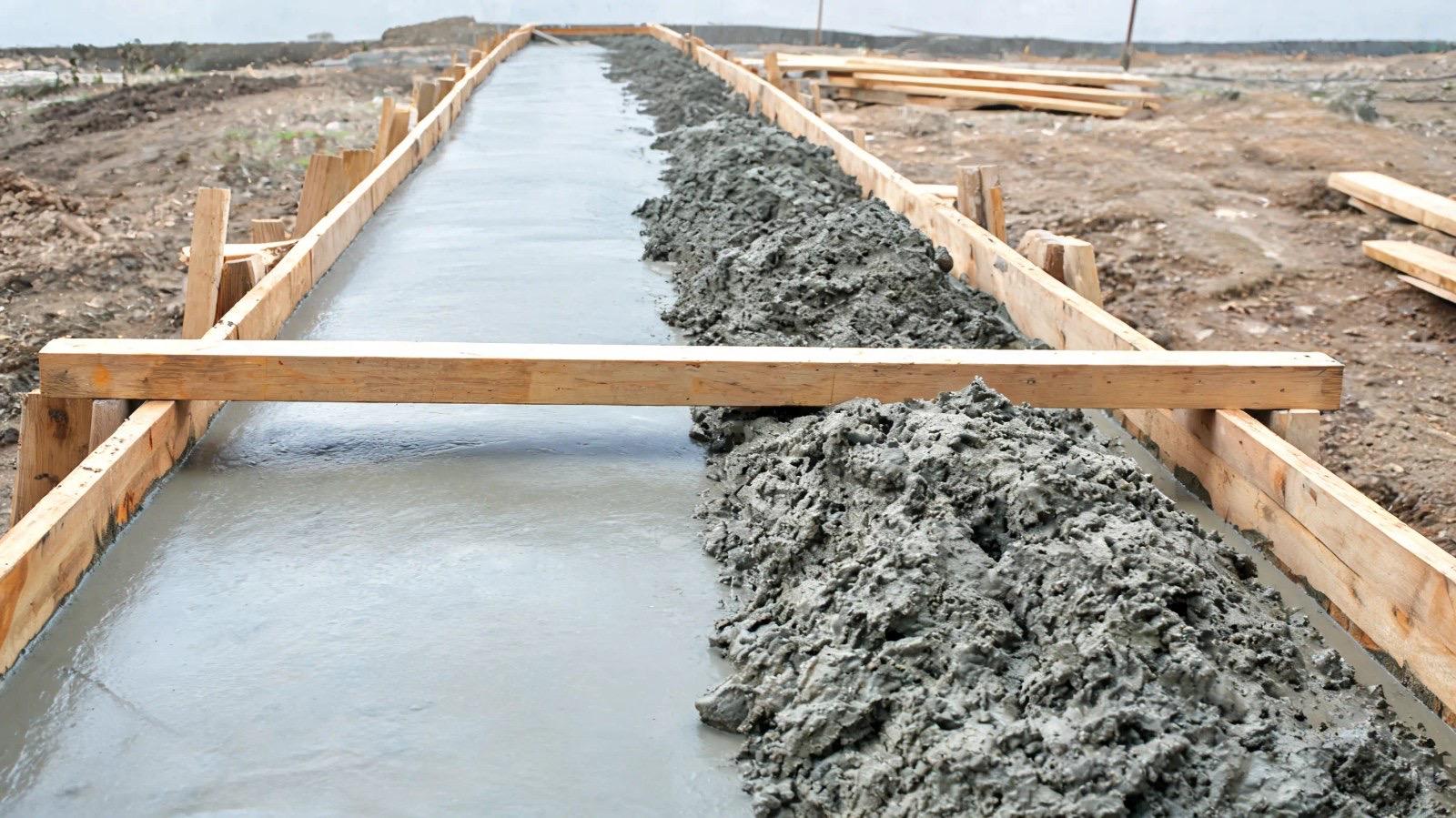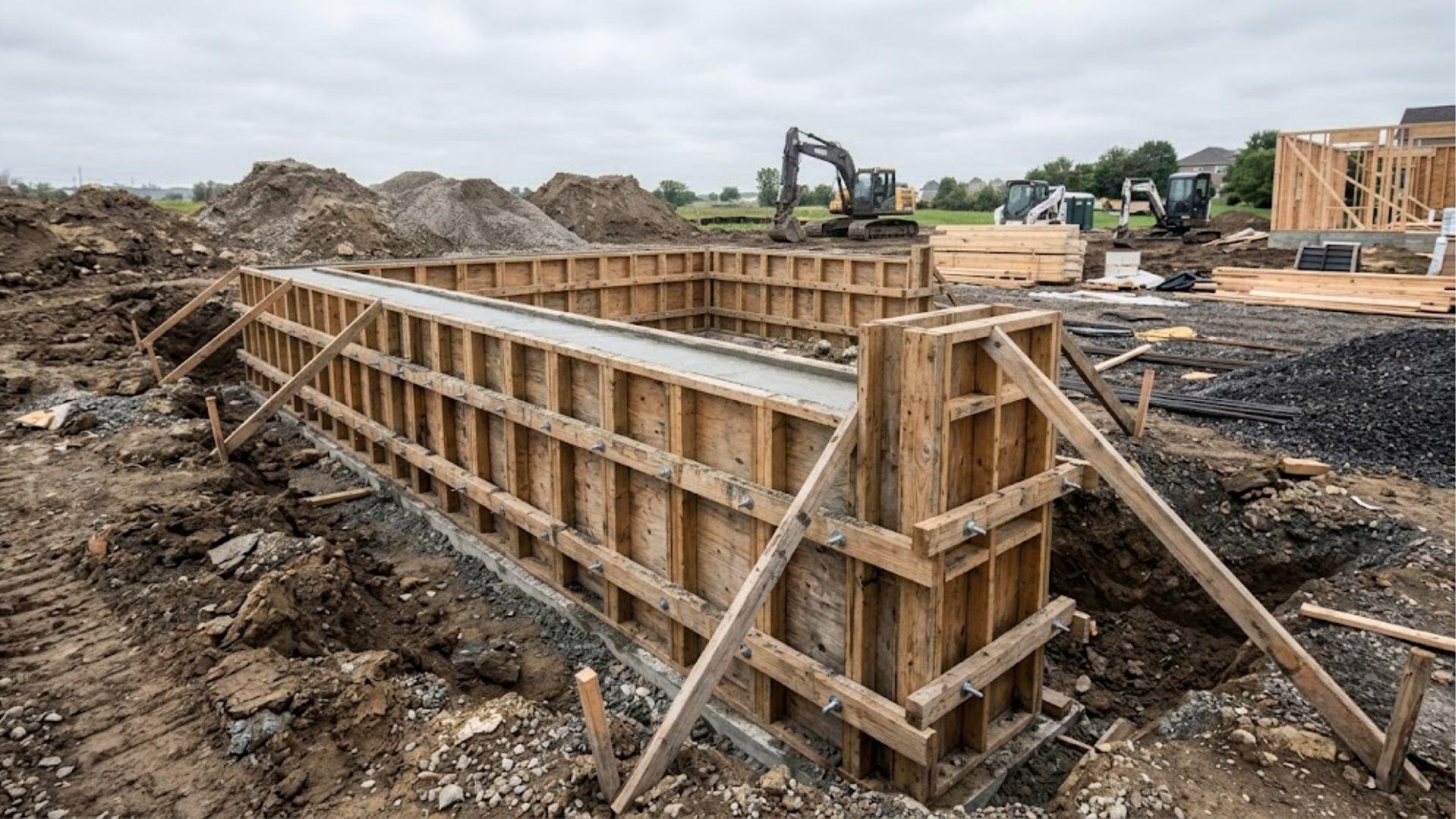

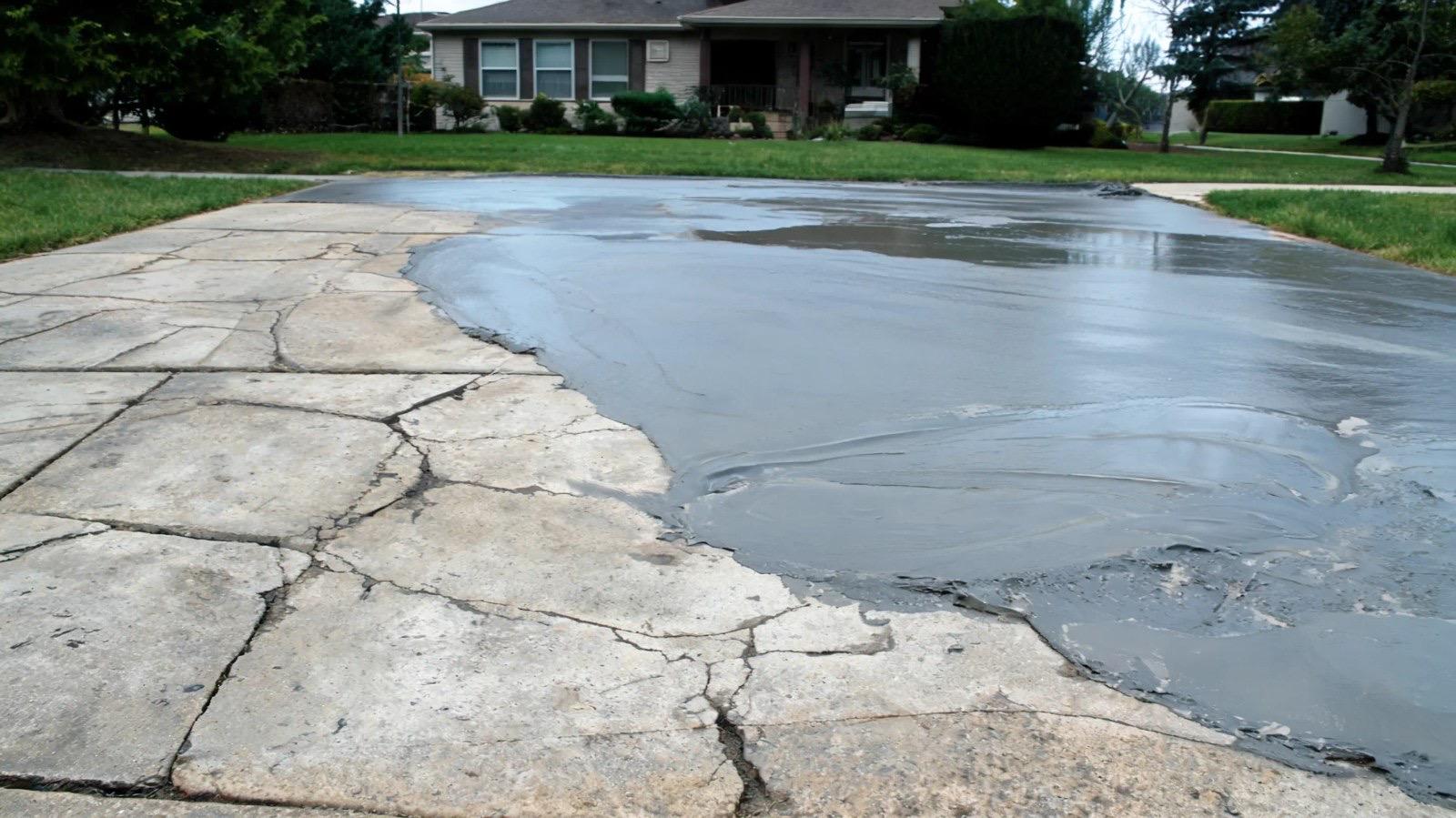
Can you pour new concrete over old concrete? Short answer, yes. Long answer, it depends on what that old slab is actually doing underneath the surface, and most people never check that part before they start calling contractors.
Here's three reasons people usually ask about this. Raising a garage floor or patio. Putting down a decorative overlay. Or just tired of staring at a cracked, worn slab every time they pull in the driveway.
Pour over a slab that's still solid underneath, and it holds up fine for years. Pour over one that's breaking down, and all you've done is put a fresh layer over a problem that's still there, working its way back up.
So here's how you actually tell which one you've got.
Can You Pour Concrete Over Concrete?
Yes. You can pour a new layer over an existing slab. But that old slab has to be structurally sound and prepped right first, that's not optional.
This isn't a blanket yes you give out on every job. The old concrete has to pass a real check before a new pour on top of it makes any sense.
When You Can Pour Over Old Concrete
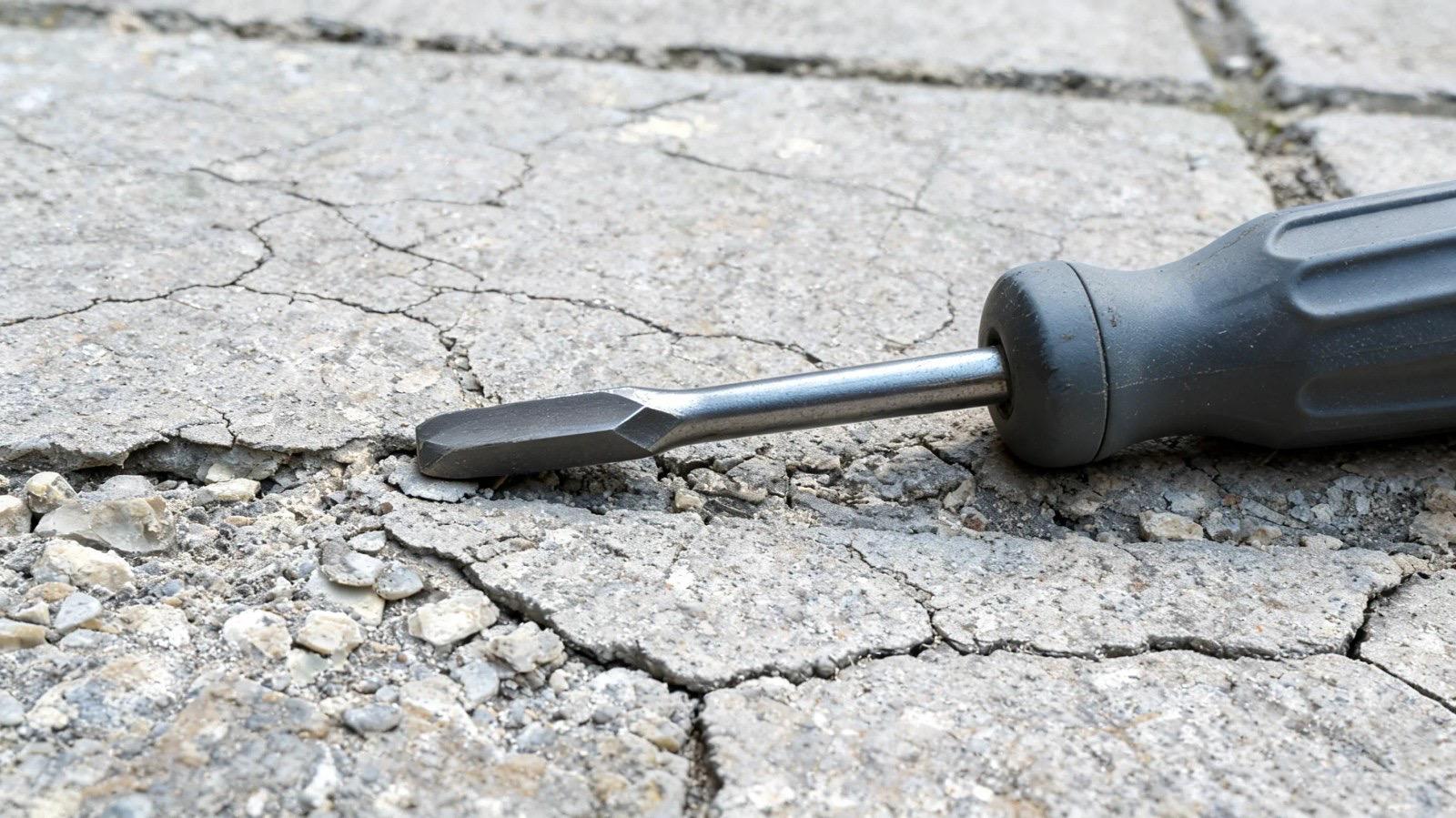
Two things I'm checking before I pour. The surface, and the base underneath it.
- Good condition: minor surface wear, scaling, or cosmetic cracks, but no sinking or shifting
- Firm base: the slab holds up against a screwdriver pushed into it, no crumbling
You push a screwdriver into that surface and it digs in easily, that slab's too soft to build on. Simple as that.
I've seen guys skip this check because the slab "looked fine" standing a few feet back. Get down on it and actually test it before you commit to a pour. That five minutes saves you a callback.
When You Should NOT Pour Over Old Concrete
Some conditions take pouring over the old slab off the table completely.
- Severe damage: deep structural cracks, crumbling concrete, or a slab sinking into soft soil underneath
- Tree root damage: roots pushing up from below and breaking the concrete from underneath
Either one of those, the problem's coming from below, not off the top.
A new layer on top doesn't fix what's happening underneath it. It buys you a year, maybe two, before that same damage shows right back up, straight through the new pour.
Thickness and Bonding Rules
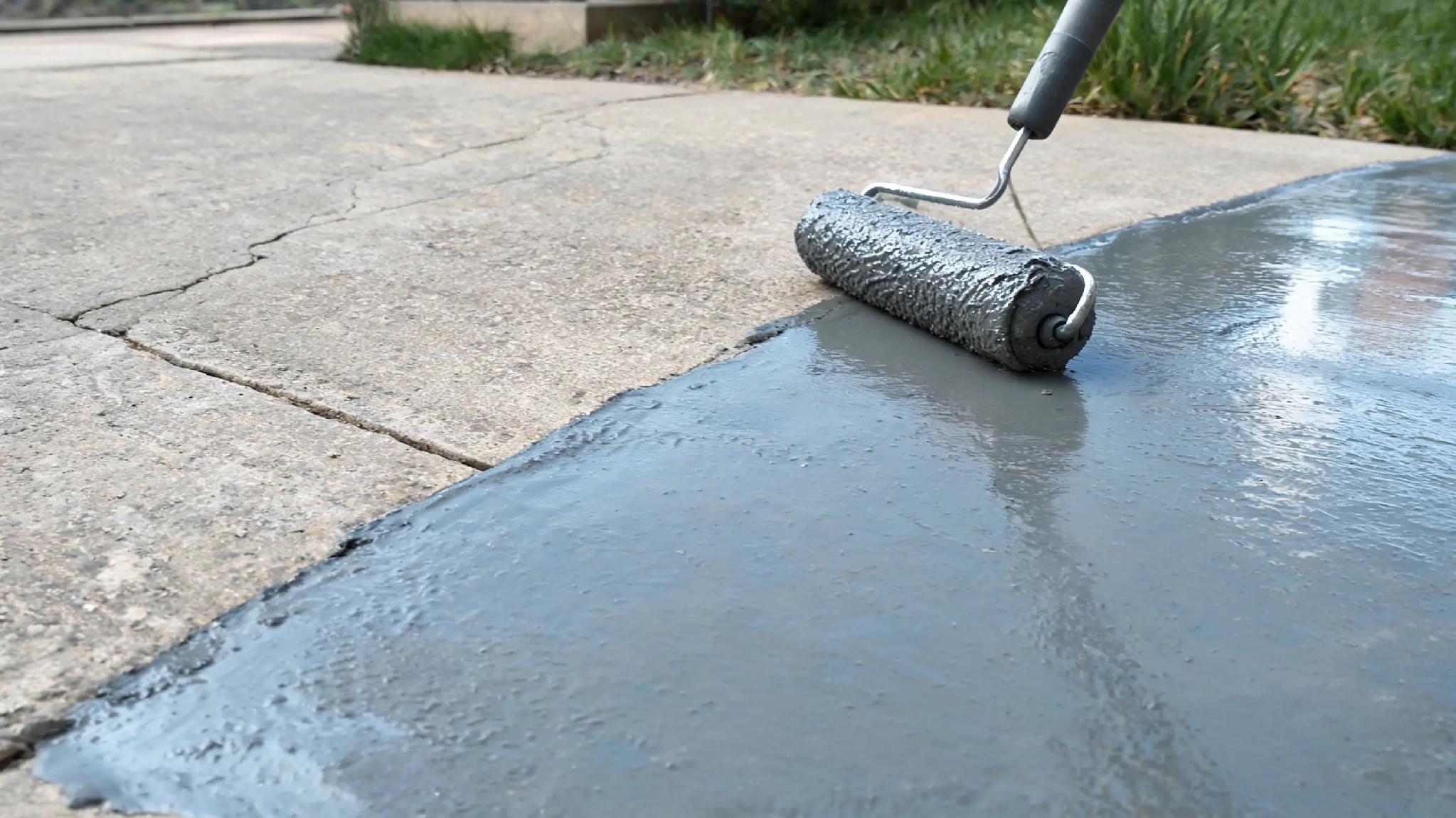
Once the old slab passes the check, the thickness of your new pour decides how you prep the surface. That's the part people get wrong.
Thin Pours (Under 2 Inches)
A thin layer doesn't have strength on its own. It's leaning on the old slab to hold it up.
Now, as concrete cures it shrinks a little, and on a thin pour that shrinkage pulls right at the seam where old meets new.
Nothing holding those two together, that new layer separates and cracks within a season, sometimes less.
That's why anything under about 2 inches needs a bonding agent. The agent gives the new concrete something to grip onto, so it cures as one piece with the old slab instead of fighting it the whole way.
Thick Pours (4 Inches and Up)
A pour of 4 inches or more, that's a different animal. At that thickness the new layer's heavy enough and thick enough to act like its own slab, similar to pouring over a gravel base.
So that's why the bonding agent becomes optional once you're at 4 inches and up. Some contractors run fiber mesh or rebar instead, so the new layer's carrying its own strength instead of depending on the bond underneath it.
A few guys will use a plastic sheet separator on the real thick pours, lets the two layers move independent of each other as the temperature shifts. Not the standard method, but it's worth asking about if your pour's on the thicker end.
Here's the mistake that trips people up. Using a bonding agent on a thick pour anyway.
That locks two layers together that want to move at different rates, and that mismatch right there is exactly what causes your cracking down the line
How to Prepare the Old Slab Before Pouring
Slab's passed the condition check, now prep decides whether that pour actually holds. Skip a step here and even a good slab can let you down. Follow these in order.
- Clean the surface: pressure wash or sweep away dirt, grease, oil, and loose debris.
- Roughen the slab: grind, scarify, or chip the surface so the new concrete has texture to grip.
- Repair cracks: fill minor cracks before pouring, and decide whether you're bonding the layers or separating them.
- Check clearances: confirm garage doors and thresholds still clear the floor once the extra height's added.
Get that order right and the new pour bonds the way it's supposed to. Rush it, and you're just repeating the same mistakes that put that old slab in bad shape to begin with.
The Bottom Line
A sound slab underneath, prepped right, bonded to match the thickness, that’s a pour that holds.
A slab that’s failing from below, pouring over it just buys you a year before the same crack finds its way back to the top.
Frequently Asked Questions
Can You Pour a New Slab Directly Over an Old One?
Yes, as long as the old slab's structurally sound, not sinking, and passes a firmness check. Damaged, crumbling, or shifting concrete needs repair or removal first, pouring over it just delays the same problem showing back up.
Do You Need a Bonding Agent to Pour Over Old Concrete?
Depends on thickness. Under 2 inches, you need the bonding agent to adhere right. At 4 inches or more, you can skip it, since the new slab's carrying its own weight and strength.
What Happens If You Pour Concrete Over Cracked Concrete?
If the cracks are cosmetic and the slab's stable, a new layer pours over them just fine. If those cracks are coming from structural movement, sinking, or root damage, that problem telegraphs right through the new concrete over time.