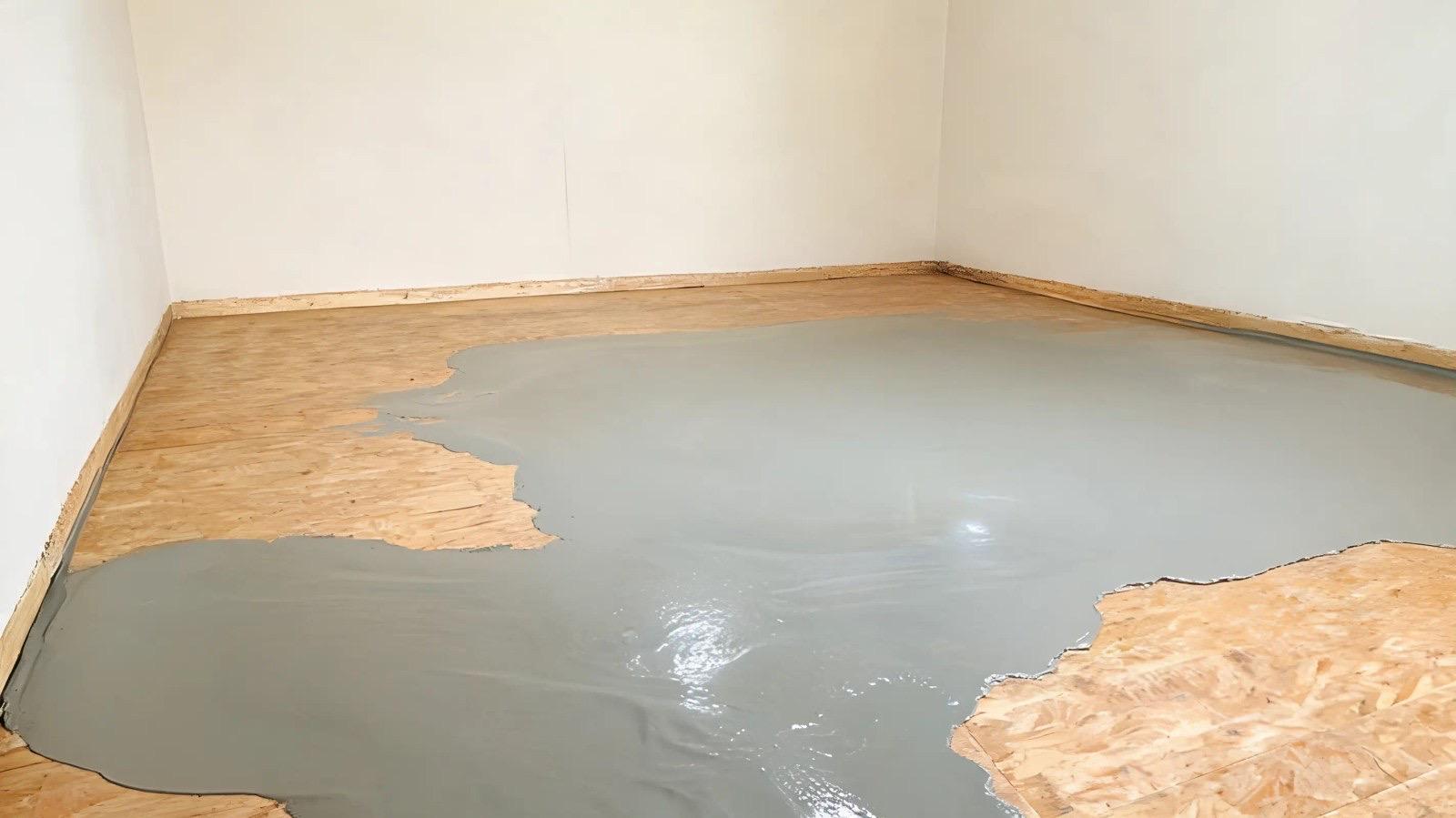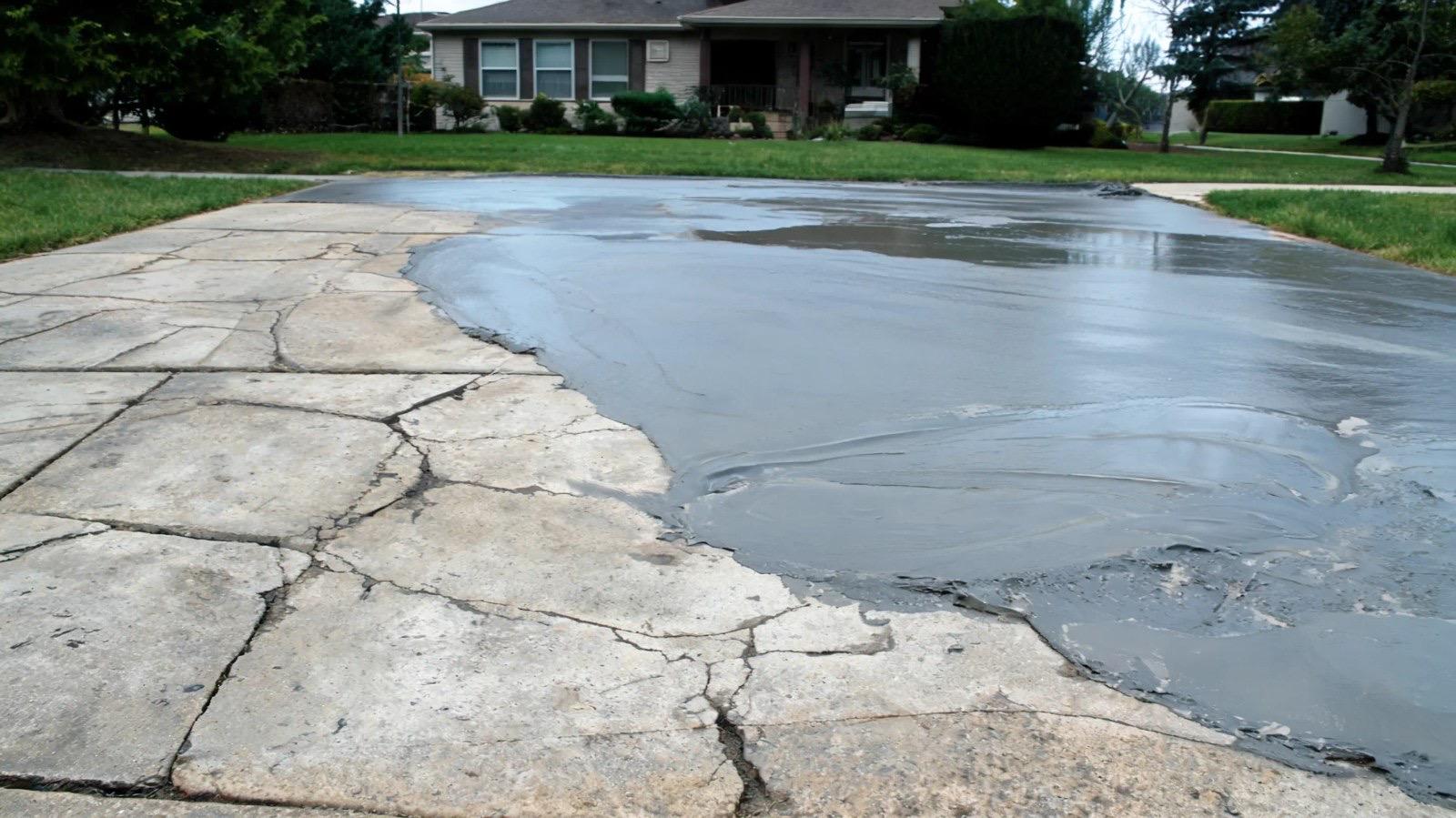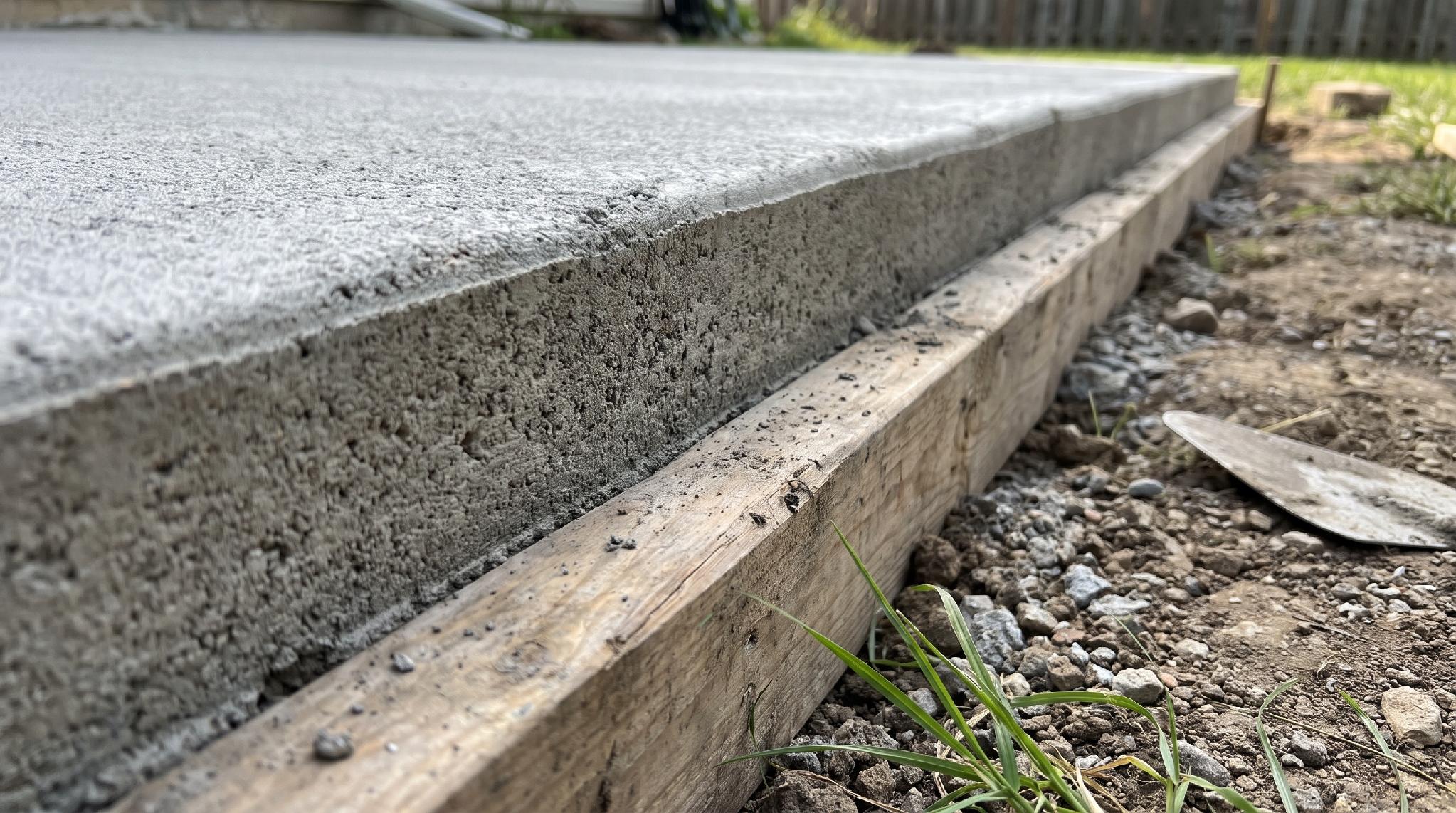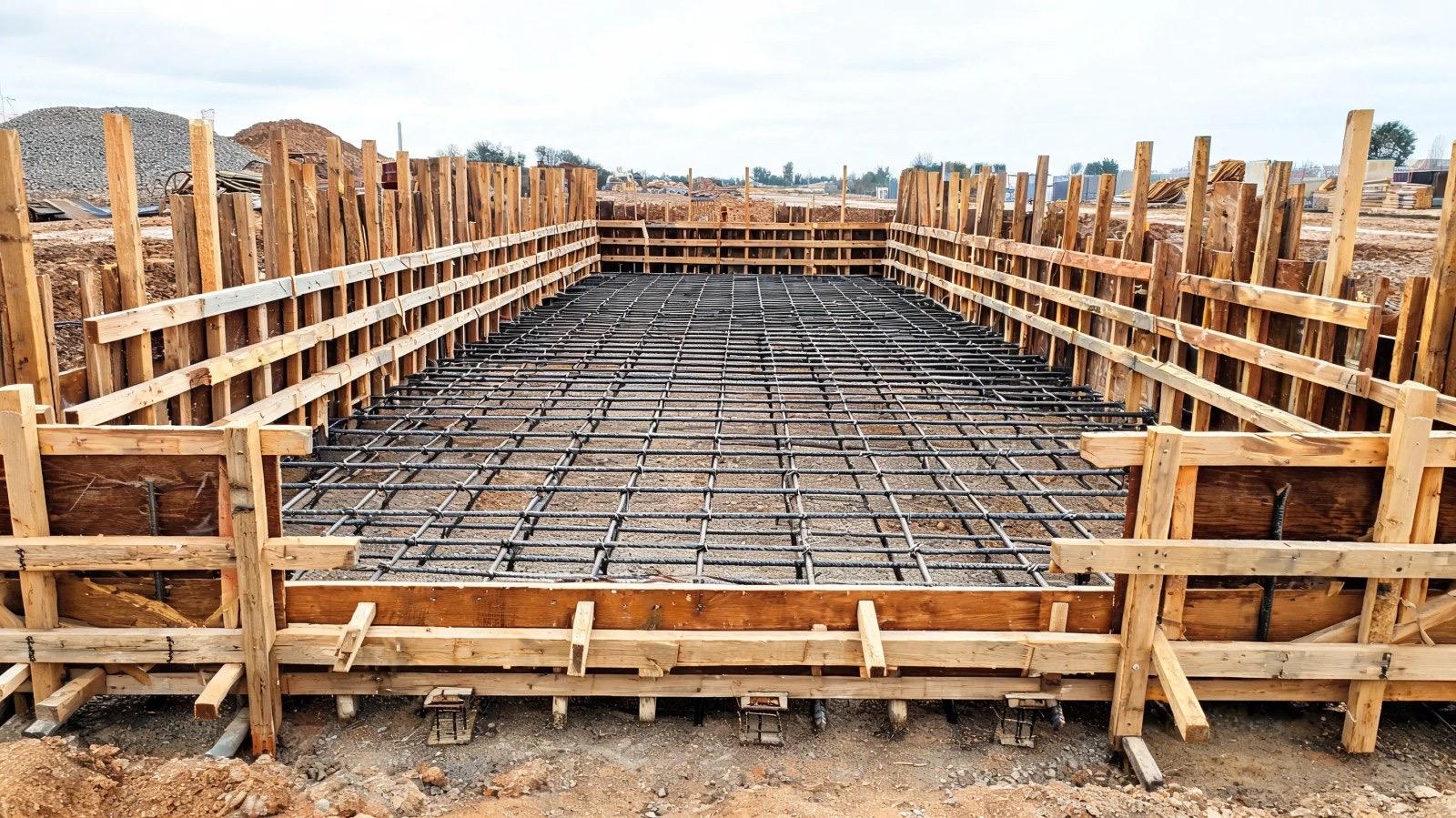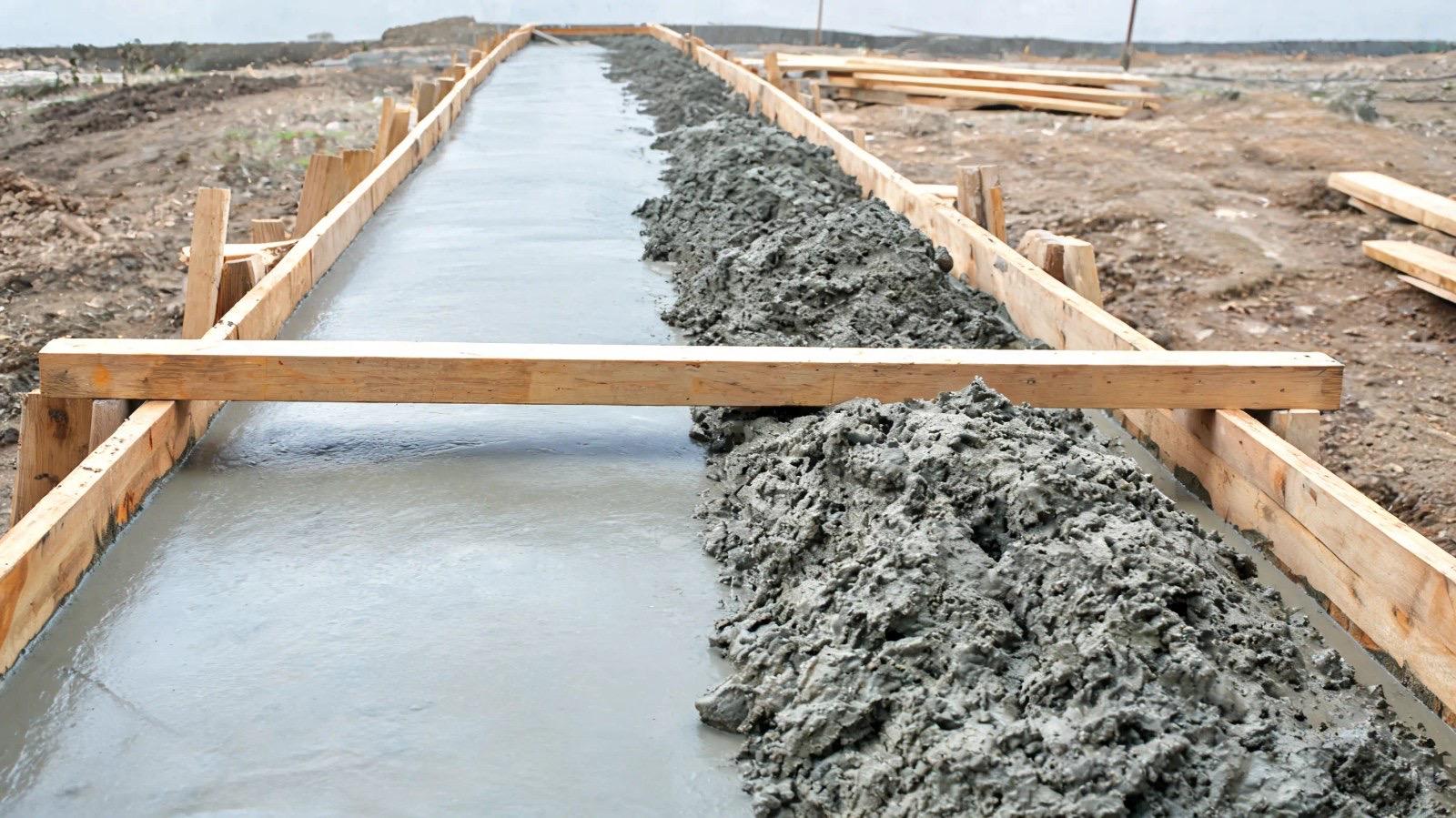

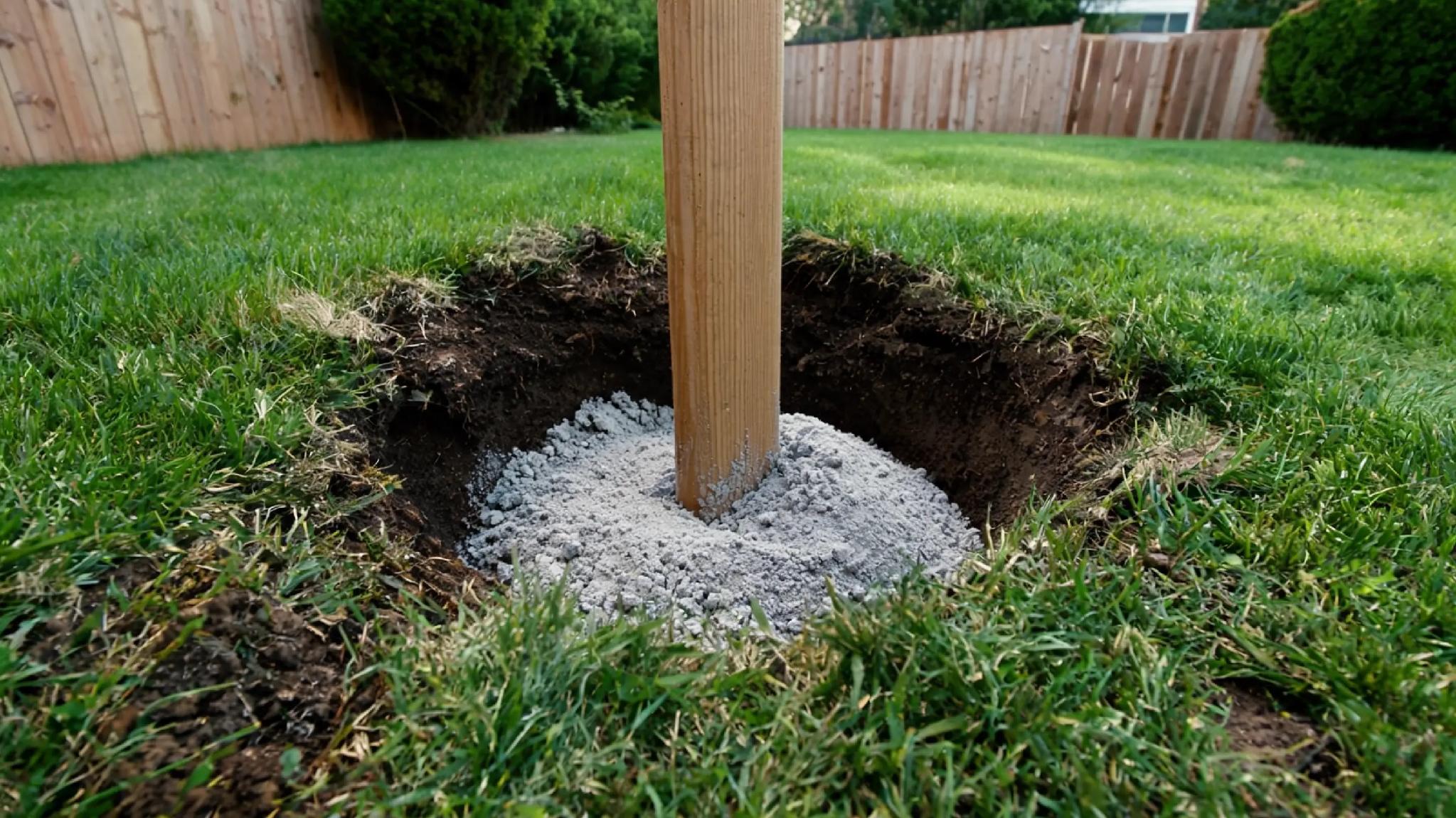
Dry pour concrete is dumping the dry mix straight from the bag into your form or hole, then watering it in place instead of mixing it first. No wheelbarrow, no mixer, no measuring water into a batch.
You level the powder, then let the water work its way down through it.
Sounds like a shortcut, and for some jobs it is one. For others, it’s the reason a slab starts crumbling a couple years in. Here’s how it actually works, where it holds up, and where it doesn’t.
What Is Dry Pour Concrete?
Dry pour skips the mixing step. You pour the dry bagged mix into your form, level it, then water it where it sits instead of blending everything beforehand.
Standard concrete gets mixed wet first. Cement, sand, gravel, and water combine evenly before any of it touches the ground. Dry pour flips that.
It’s betting the water finds its way through the dry mix on its own.
One thing I want to clear up: concrete doesn’t harden because it dries out. It hardens through curing, a chemical reaction that needs water to run.
So that water step in a dry pour isn’t cleanup, it’s the part that actually sets the concrete.
I’ve used this on small stuff and it’s held up fine. I wouldn’t trust it on anything holding real weight.
Prepping the Hole or Form
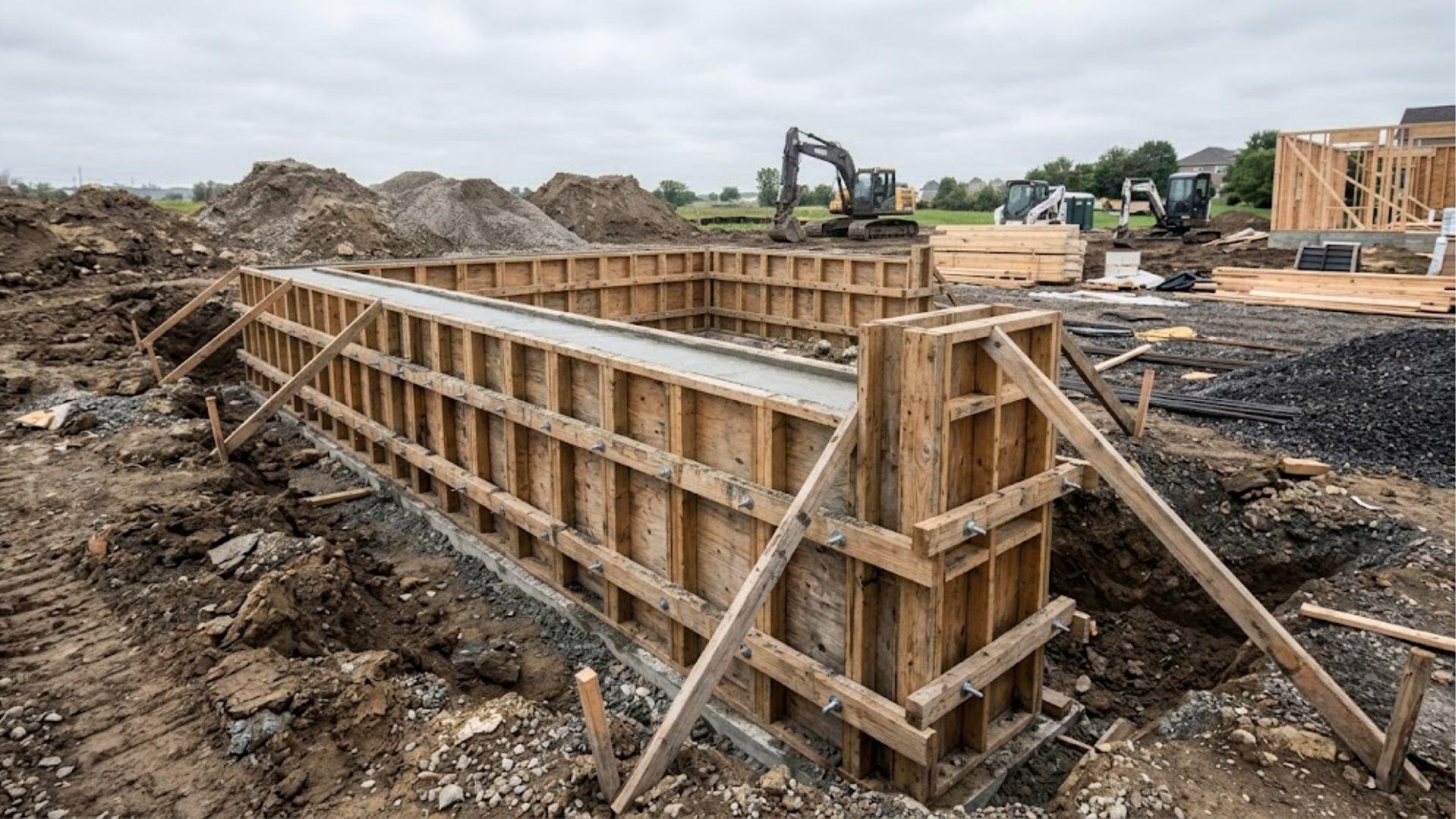
Before any dry mix goes in, the ground underneath has to be right. Skip this and nothing after it goes smooth.
Prep comes down to a few things:
- Build your form with 2x4s on edge.That gives you roughly 3.5 inches of depth.
- Dig or size the hole to match whatever you’re setting, post or slab.
- Level the base so the mix sits even once it’s in.
- Compact the ground so it doesn’t shift or settle later.
- Add a gravel base if the soil’s soft or loose. Helps drainage too.
Get this right and the rest of the pour is forgiving. Skip it and you’re setting yourself up for sinking or cracking down the line.
Here’s the part people underestimate: a dry pour has no mixing step to fix an uneven base later. Wet concrete can self level a little as you pour it. Dry mix can’t. Whatever shape your prep leaves you with, that’s the shape you’re stuck with.
How Dry Pour Concrete Works
The process reads simple on paper. That’s exactly why it’s tempting.
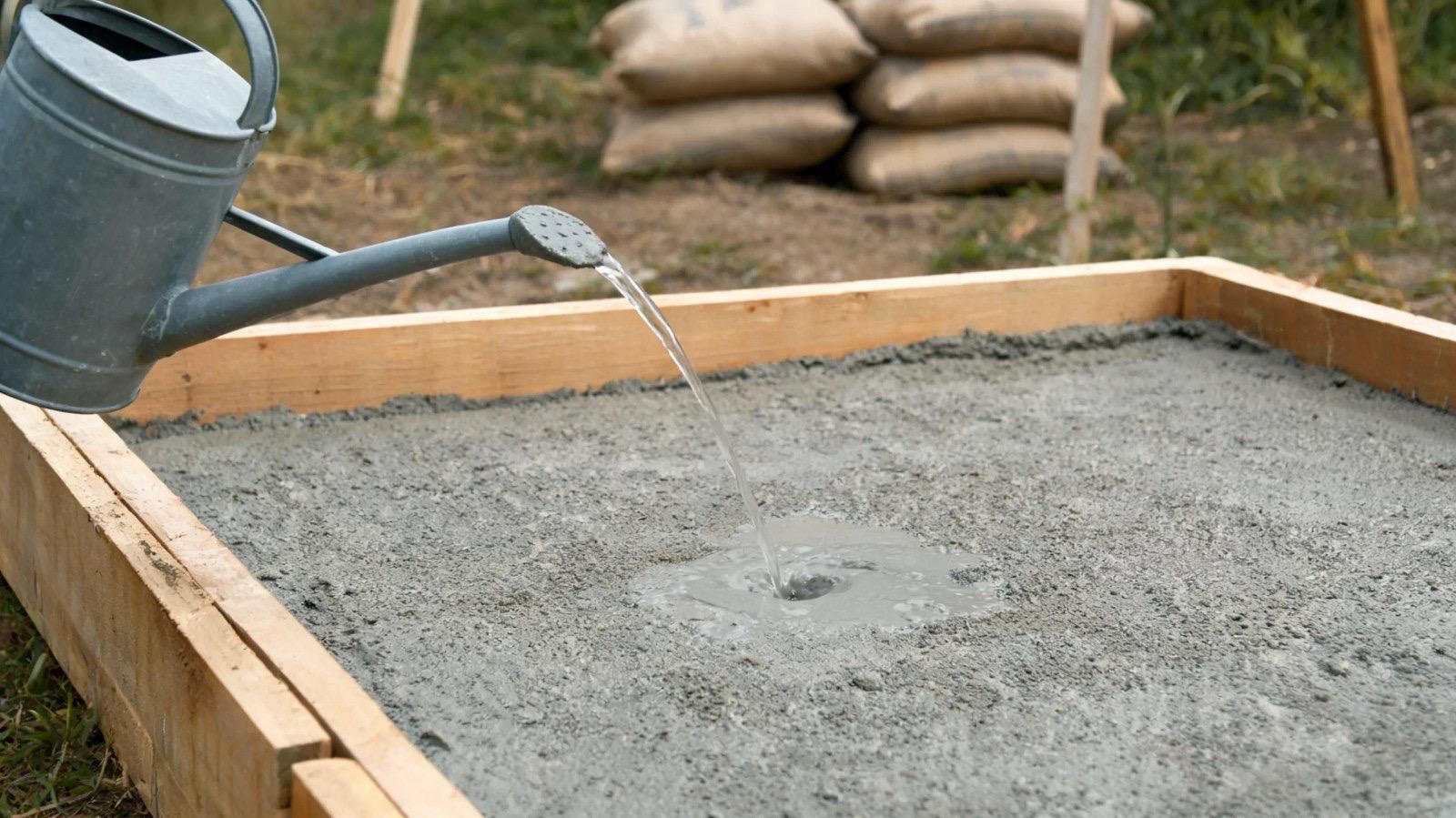
You empty the dry bags into your prepared hole or form. A fast setting mix, Quikrete or Sakrete’s fast setting blends, is the standard pick here.
Level and smooth the dry powder so it sits even, then tap the outside of the form a few times to help it settle.
For the top layer, run a roller or trowel over it gently. That pushes the bigger gravel down and brings the fine cement paste up to the surface.
Watering is where people mess it up. Start with a light mist, not a full stream, or you’ll blow the dry powder apart before it’s absorbed anything.
Once the surface holds steady, move to a soft shower setting and let the water soak down slow instead of flooding it all at once.
No mixing, no racing a batch before it sets on you. But the watering stage takes more patience than people expect going in.
Pros and Cons of Dry Pour Concrete
The appeal’s real, but so’s the risk. It comes down to one question: how much strength does this job actually need.
Pros:
- Skips the physical work of mixing wet concrete in a wheelbarrow or mixer.
- Lets you work at your own pace, no batch hardening on you while you go.
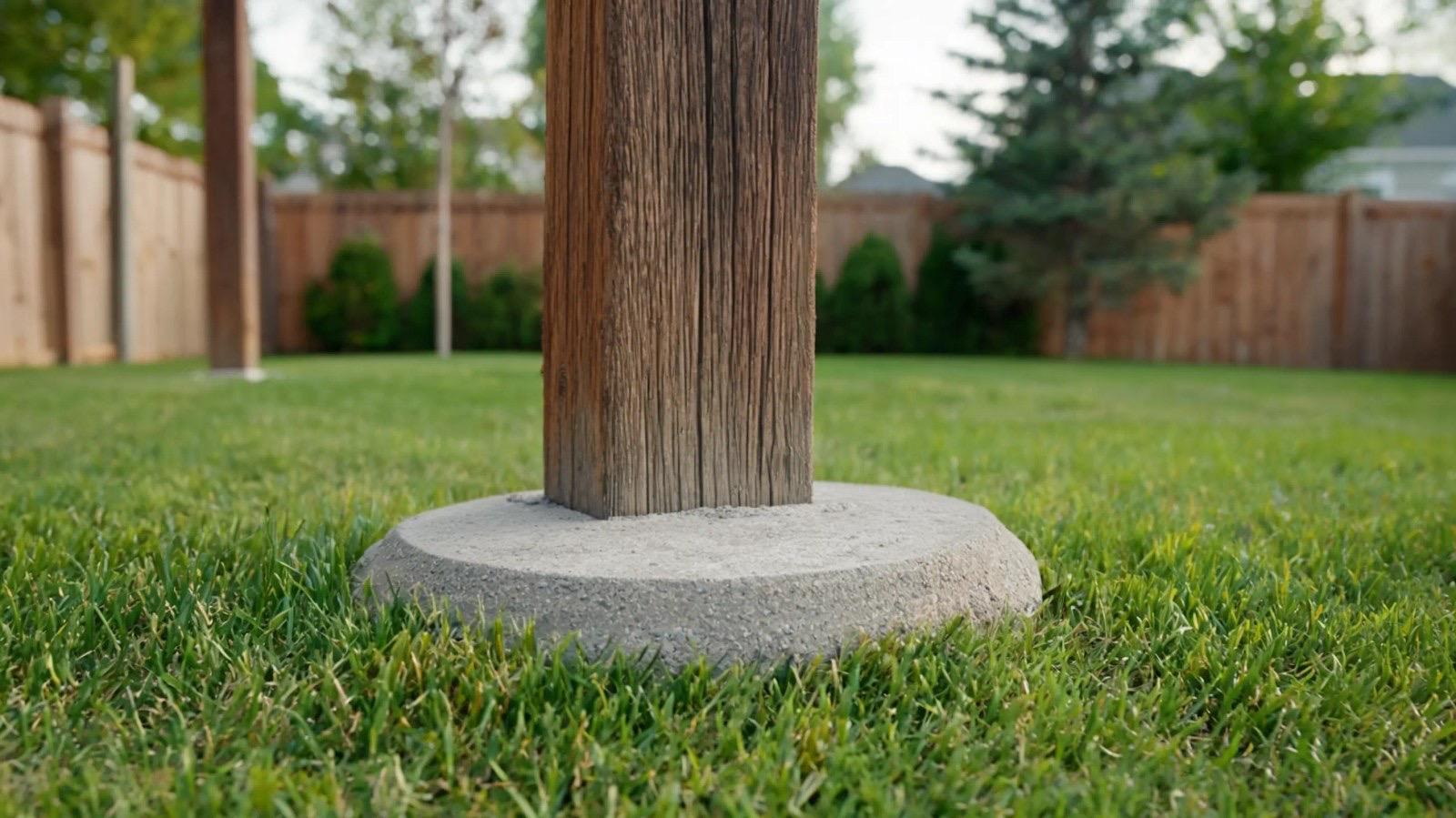
- Works fine for small, low stakes jobs. Fence posts, mailbox bases, shed pads, AC pads.
Cons:
- Water doesn’t always reach every part of the mix even, leaving weak or dry pockets.
- Uneven hydration means uneven strength. Shows up later as cracking or crumbling.
- Same uneven curing raises your risk for freeze thaw damage in a cold climate. Not something I’d trust, or any concrete pro would trust, for anything structural or load bearing.
Weigh those honest against your project and the right call shows up fast.
Here’s why those cons happen in the first place. When you water a dry pour, it soaks in from the top down. Reaches the surface layer fine.
Getting deeper gets harder the thicker your pour is.
That’s why a thin pour, a post footing say, usually cures all the way through without a problem. A thicker slab’s a different story.
The surface can look cured and solid while the core underneath never fully hydrates.
That hidden, under cured core is what causes the cracking and crumbling months or years out. Not bad luck. The water just never got down there.
Here’s what settles it for me: Concrete testing professionals generally advise against dry pour for anything structural, since the method gives you no control over water-cement ratio, the single biggest factor in concrete strength.
Is Dry Pour Concrete a Good Idea?
Depends entirely on what you’re building.
Setting a fence post, a mailbox base, a shed pad, an AC pad, a walkway, dry pour’s a fine shortcut. Those jobs don’t carry real structural load, so a little uneven hydration isn’t putting anyone at risk.
A driveway, a patio, a structural slab or foundation, I’d skip it. The whole point of mixing concrete wet is controlling that water cement ratio, and dry pour throws that control out the window.
If you’re set on trying it for something bigger than a walkway, keep the layer thin and expect a shorter lifespan than a properly mixed pour.
That’s the trade you’re making: less mixing, less control over the water. Fine trade for a fence post. A bad one for anything with a car parked on it.
Frequently Asked Questions
Is Dry Pour Concrete a Good Idea?
Depends on the job. Fence posts, shed pads, walkways, dry pour works fine. Driveways, patios, anything load bearing, the uncontrolled water cement ratio makes it a risky call.
How Long Will a Dry Pour Concrete Slab Last?
A dry poured post base can run for years with normal use. A bigger dry poured slab typically runs a shorter lifespan than a wet mixed one. Uneven hydration and freeze thaw stress create weak spots that fail sooner.
Can You Just Pour Dry Concrete Then Add Water?
Yep, that’s the whole method. Pour the dry mix, level it, water it in place. Works, but it costs you the even mixing that gives standard concrete its predictable strength.