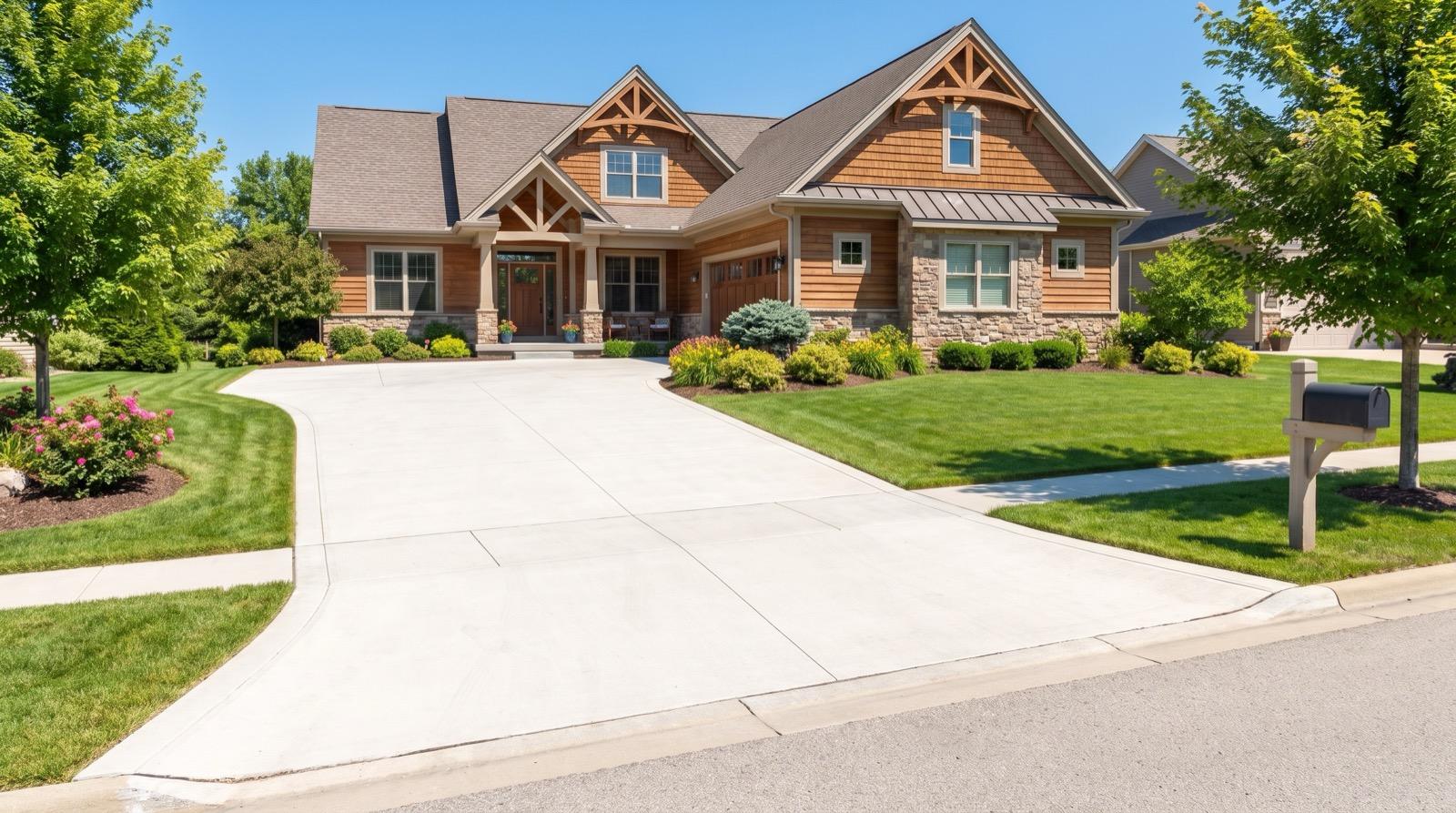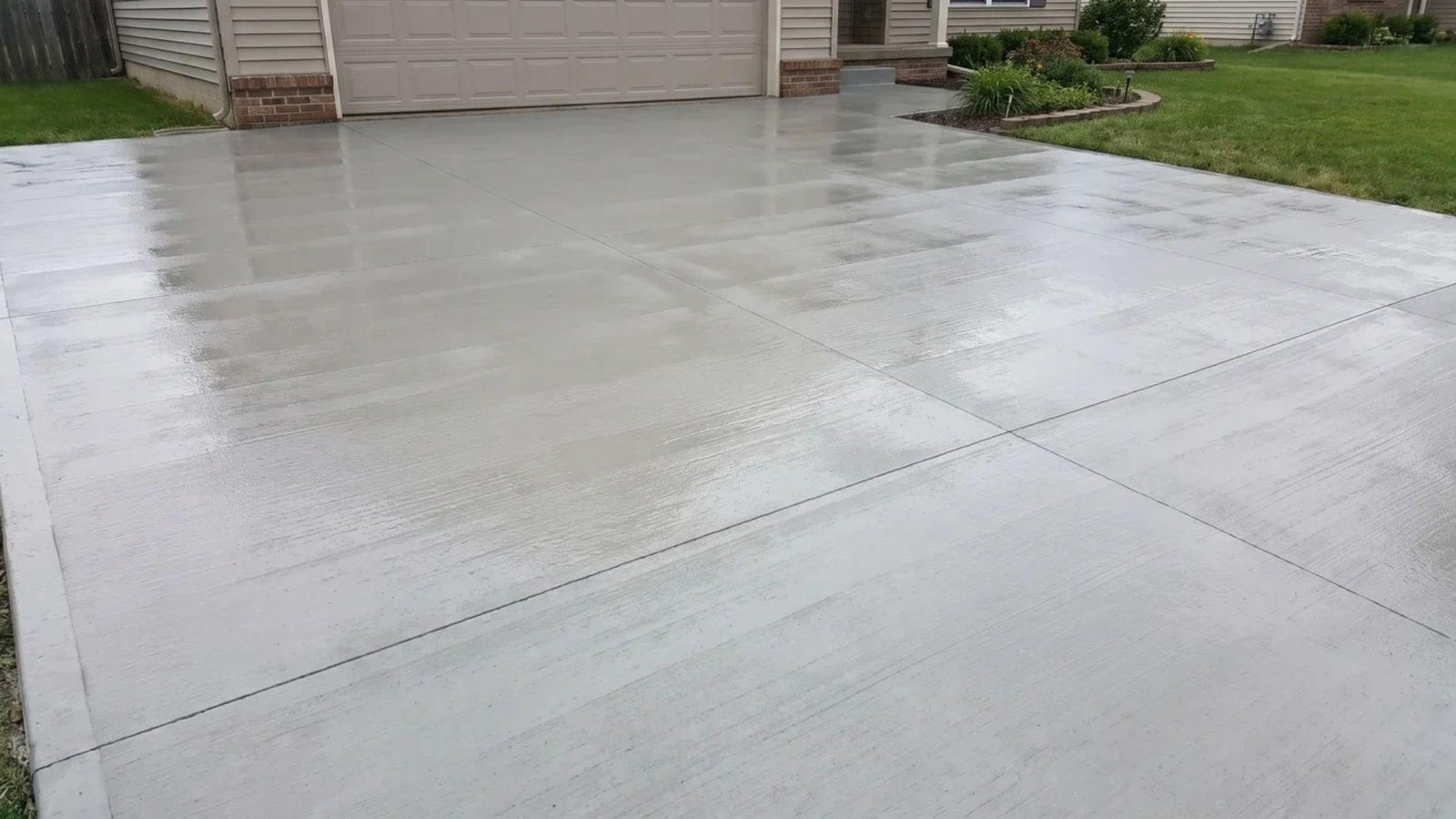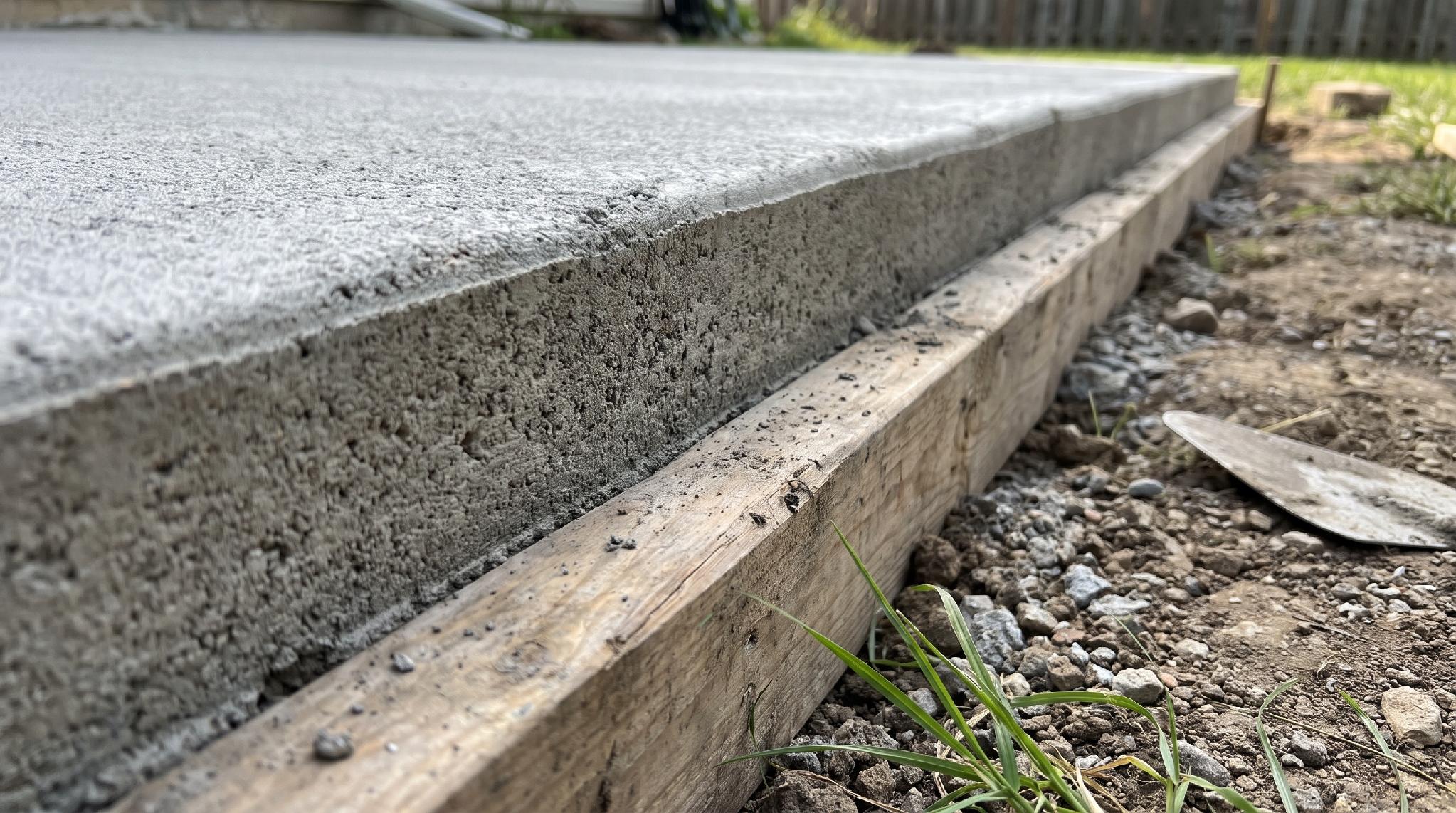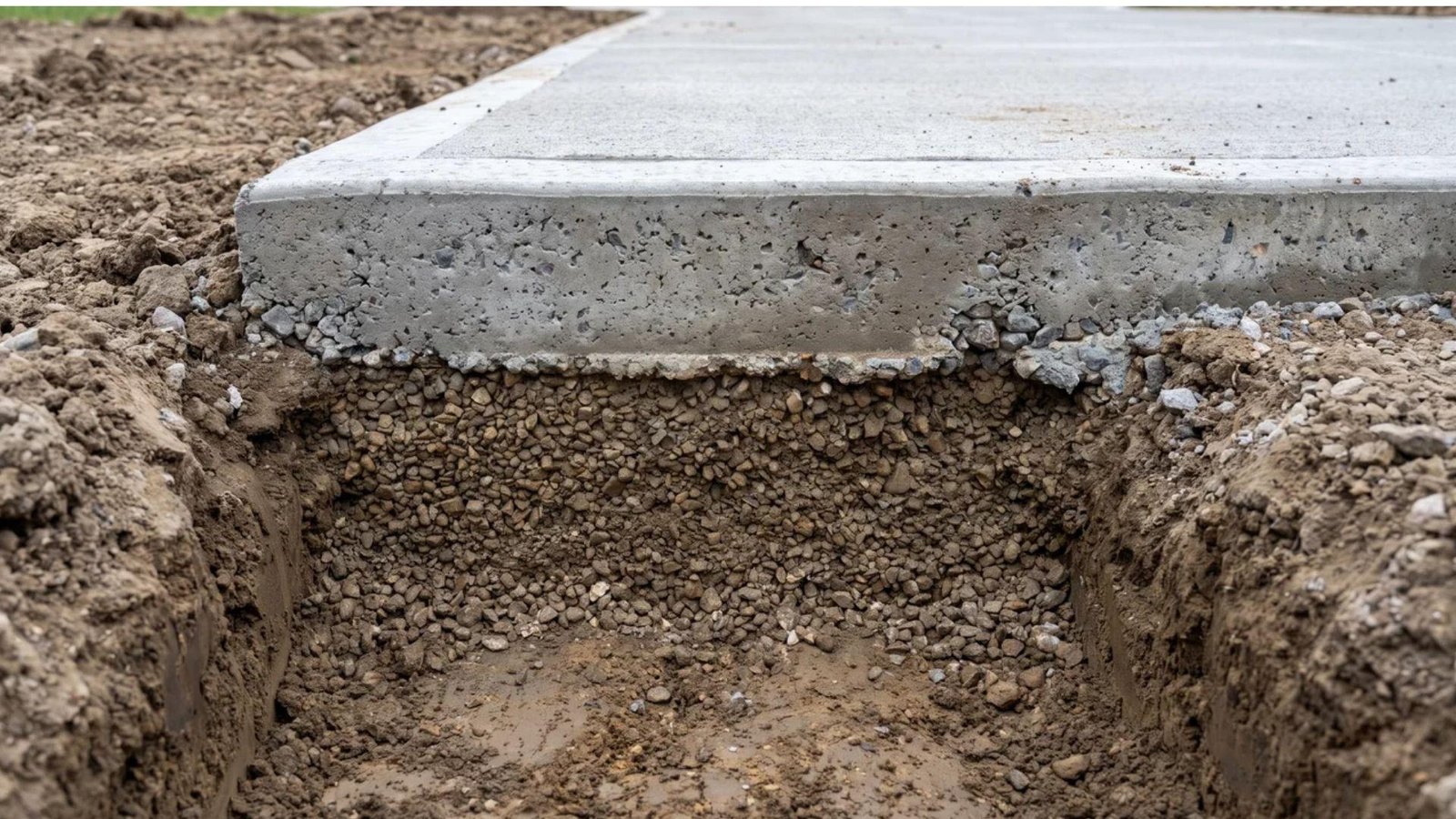
Now, I’ll give you the number first: four inches. That’s the baseline for a standard residential driveway carrying passenger cars, and it holds up fine, long as the base underneath is doing its job.
But that’s not the whole spec, and I’ve been called out to enough cracked driveways to know folks stop right there at that one number and figure they’re done thinking about it.
Pour it too thin and you’re looking at cracks inside a couple winters. Go thicker than you need and you’ve just spent money on concrete that wasn’t fixing a thing.
The real answer depends on what’s parking on it, what’s underneath it, and what kind of winters you’re dealing with.
Most homeowners get this one wrong because they’re only thinking about the slab. The base and the mix strength are doing just as much of the work, and if you ignore those two, that thickness number doesn’t mean much sitting there by itself.
What Are the Standard Thickness Options for a Concrete Driveway?
Most driveways run four to six inches. Past that you’re into commercial territory, a different job entirely.
| Thickness | Typical Cost (per sq ft) | Best Suited For |
| 4 inches | $10 – $14 | Passenger cars, light SUVs, standard driveways |
| 5 inches | $12 – $16 | Daily heavy use, sharp-turn areas near the garage |
| 6 inches | $14 – $18 | Trucks, RVs, trailers, heavier vehicles |
| 6–8+ inches | $16 – $22+ | Street aprons, curb returns, commercial-grade loads |
Now those costs move around with your region, your mix, your site prep, so take it as a planning range, not a quote off this page.
And going thicker isn’t automatically the safe move either, whatever folks tell you. It’s a budget call just as much as a strength call. Weigh your soil and your climate against your costs before you lock in a number.
Once you know what’s actually using that driveway day to day, picking the starting number gets a lot easier.
Why Thickness Alone Doesn’t Determine Driveway Strength
Thickness is one piece of it. It’s not the whole answer, and treating it like one is how you end up calling me back out in two years.
What actually holds a driveway together is three things working together; thickness, base quality, and concrete strength. Take one of those away and the other two can’t cover for it, no matter how good they are.
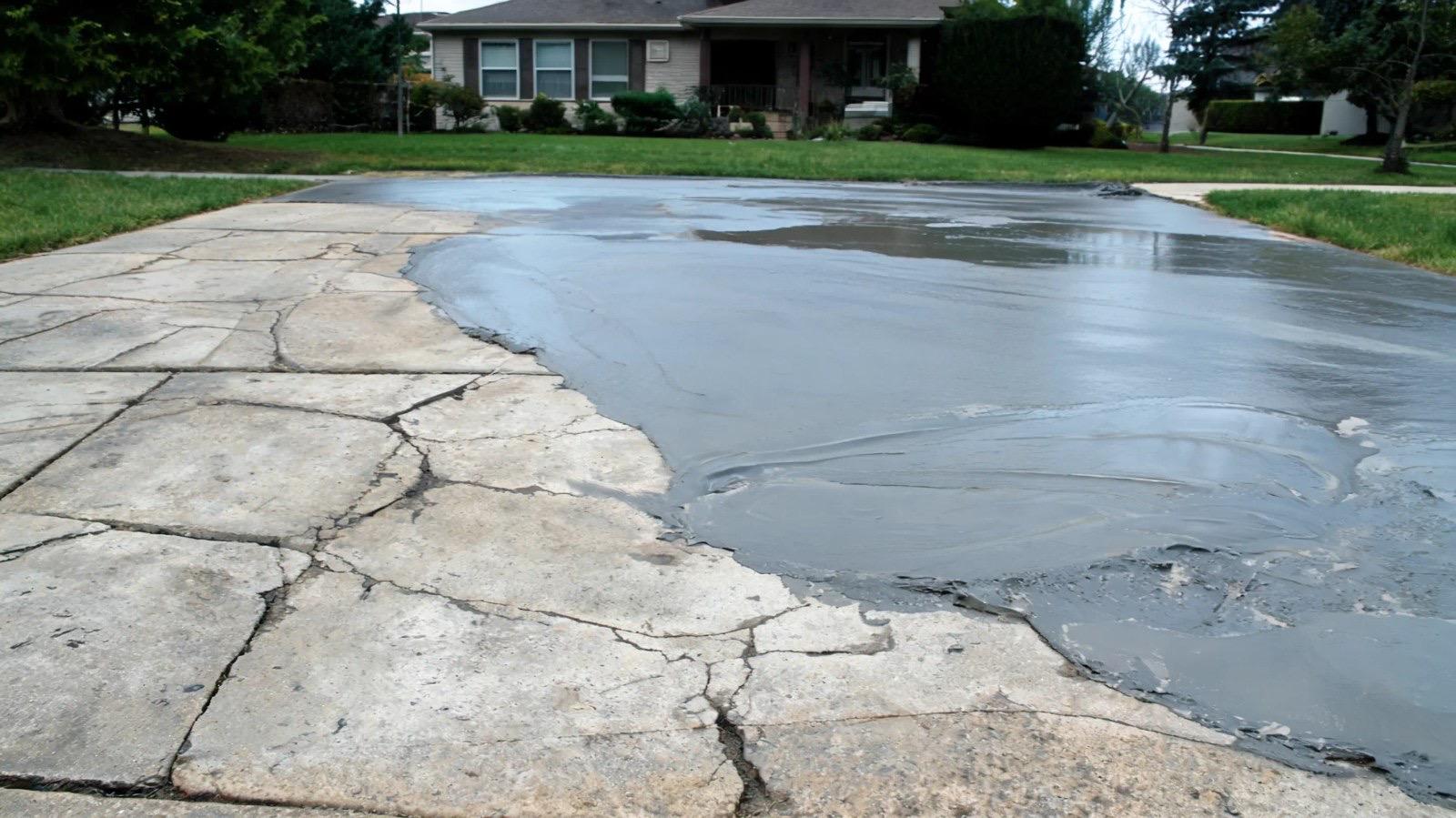
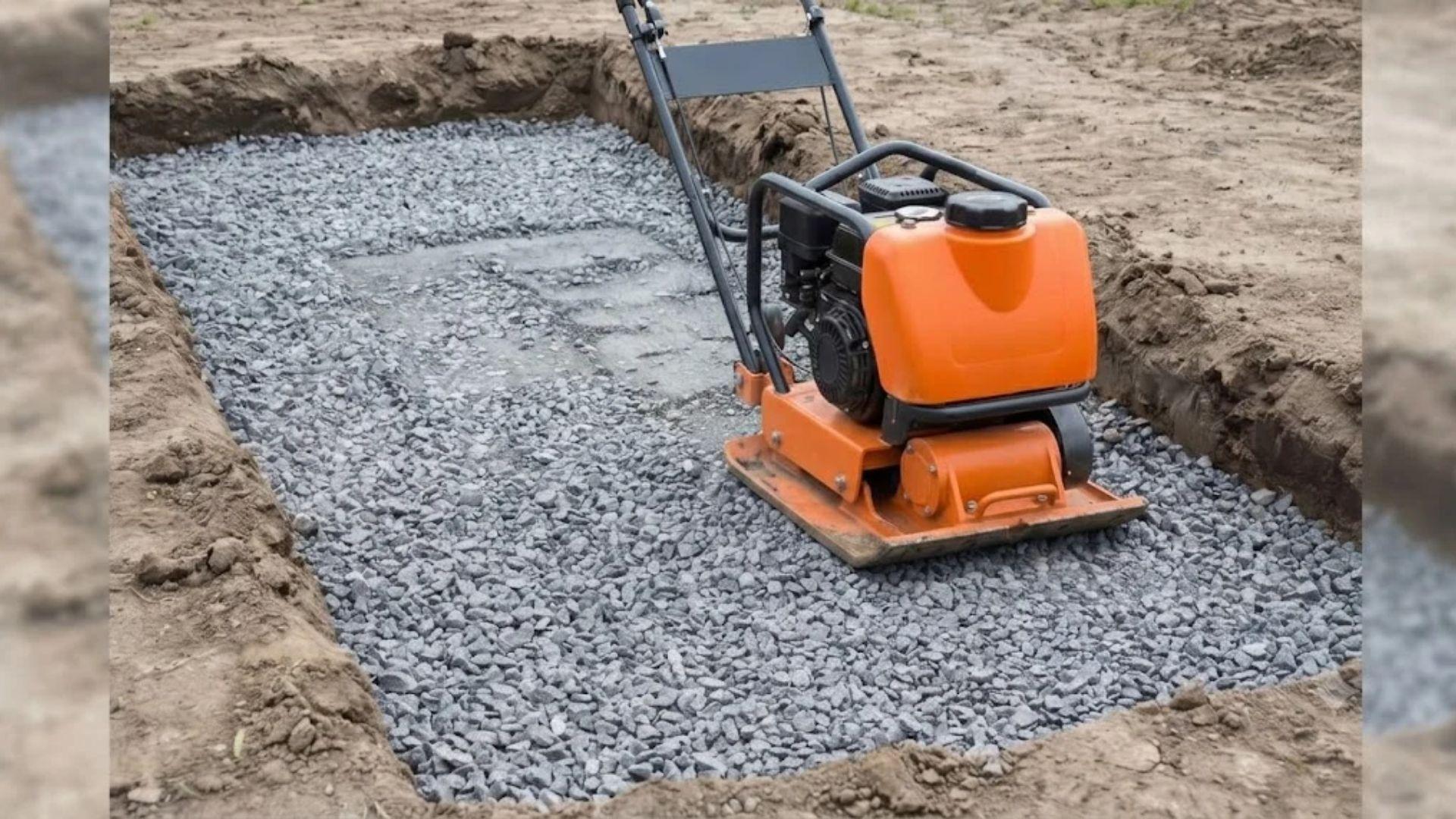
I’ve seen six-inch driveways crack inside two years because the crew poured straight onto loose soil without ever compacting that base properly.
Meanwhile a four-inch slab with a solid base and the right PSI,3,000 to 4,000, will outlast it without a problem. I’ve seen that play out more than once.
That’s the trap with thickness, and I’ll tell you, people fall into it every time. They treat it like insurance, figure if they go thicker they’re covered. But a thick slab sitting on a bad base is just more concrete piled on top of the same weak ground. The crack still shows up.
It just takes a little longer to get there.
How Reinforcement Shifts With Thickness
Reinforcement isn’t a flat spec, now. It changes as the thickness goes up, and that’s not random, that’s just load math.
A four-inch slab typically runs wire mesh or fiber mixed right into the concrete. At that depth, that’s enough to keep a lid on minor surface cracking.
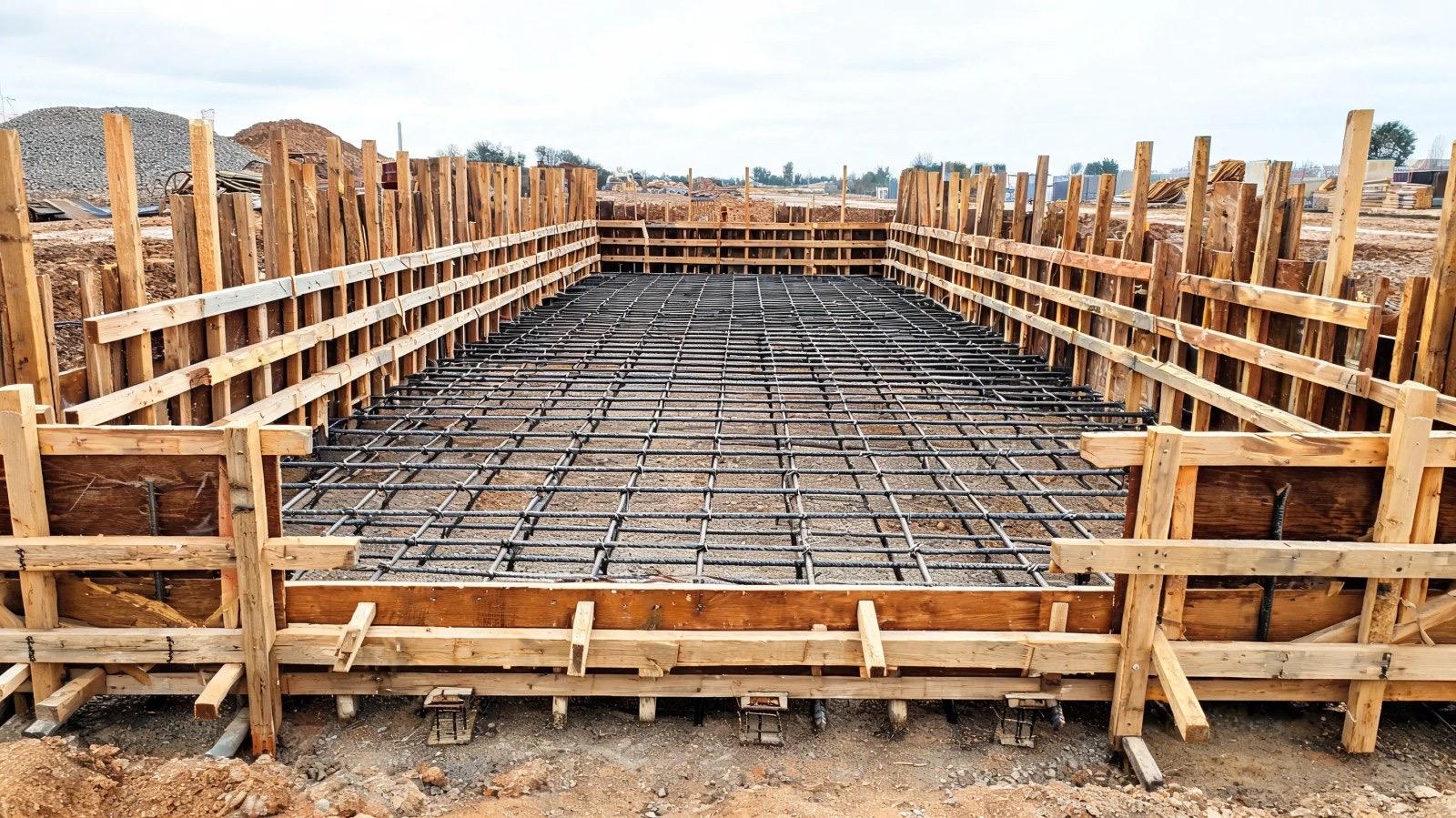
Once you’re up at five or six inches, the load expectations go up right along with it, and wire mesh was never built to carry that. That’s where a steel rebar grid comes into it.
It gives that thicker slab the structural backbone the mesh just can’t provide on its own.
What Conditions Change the Right Thickness for Your Driveway?
Now, the numbers above are a starting point, nothing more. Your soil and your climate can push that number up even if the vehicles parking on it never change at all.
Here’s what shifts it:
- Unstable or clay-heavy soil – expands and contracts with moisture, so 5 to 6 inches helps resist sinking and cracking over time
- Freeze-thaw climates – repeated freezing and thawing puts extra stress on the slab, so 5 to 6 inches is the safer bet even for light vehicle use. Think Midwest and Northeast winters, where the ground heaves and settles every season; that movement is what finds the weak spot in a thin slab
- Mild, stable conditions – firm soil, steady climate, the standard 4-inch slab usually holds up just fine
Now here’s one thing that trips people up every single time: the gravel subbase and the concrete slab are two separate numbers. Different things entirely.
The subbase sits underneath the slab and usually runs 4 to 6 inches of compacted gravel on its own. So a four-inch slab over a four-inch base isn’t a four-inch driveway at all, it’s two layers, and each one’s doing its own job down there.
How to Decide on the Right Thickness for Your Project
By now you’ve got the pieces. Here’s how you turn them into one number:
- Start with your vehicles, that gives you a baseline of 4, 5, or 6 inches.
- Next, check your soil and climate. Clay soil or freeze-thaw winters, bump that number up a notch.
- Then look at the high-stress spots: aprons, curb returns, sharp turns near the garage, those often need extra thickness even when the rest of the driveway doesn’t.
That gets you your final number. But the number by itself isn’t the whole spec.
Before you sign anything, confirm three more things with your contractor: the gravel subbase depth they’re planning, the PSI rating of the mix they’re using, and where they’re cutting control joints.
On a standard 4-inch driveway, those joints should land roughly every 10 feet. Skip them or space them too wide, and the slab cracks wherever it wants instead of where you planned for it.
Thickness without the right base and the right mix is just a number on paper. Lock in all three and you’ve got a driveway built to actually hold up.
Before You Pour
So, how thick are concrete driveways?
Most land between 4 and 6 inches, but the right number was never just about vehicles. Soil, climate, and that compacted base underneath all shape the final call.
Skip any one of them and even a thick slab can crack early.
Treat thickness as one part of a system, not a standalone fix. Get the base, the mix, and the depth working together, that’s what you want to see.
Talk to a local concrete contractor about your soil and your usage before you lock in a final spec.
Frequently Asked Questions
What is the best thickness for a concrete driveway?
For most homes, 4 inches is standard for passenger cars and light vehicles over a well-compacted gravel base. Parking trucks, RVs, or heavy equipment regularly, or working with unstable soil, go 5 to 6 inches. The right call comes from vehicle weight, soil type, and climate together, not any one of them alone.
What is the minimum thickness for a concrete driveway?
Four inches is the accepted minimum for a residential driveway carrying passenger cars and light SUVs on a properly compacted base. Thinner than that isn’t recommended, it cuts your load capacity and raises your cracking risk. That minimum assumes standard soil and a quality gravel subbase underneath.
Do you need gravel under a concrete driveway?
Yes. A compacted gravel subbase, typically 4 to 6 inches, is standard under a concrete driveway. It handles drainage and gives the slab a stable surface so it doesn’t shift or crack over time. Skipping that base is one of the most common causes of early driveway failure, whatever the slab thickness.
How much weight can a 4-inch concrete driveway hold?
A properly built 4-inch slab with the right PSI and a compacted base handles passenger cars, motorcycles, and light SUVs in daily use without issue. It’s not built for frequent heavy trucks, RVs, or equipment, those need the added support of a 5- to 6-inch slab with steel reinforcement.