Pouring concrete in hot weather means racing moisture loss and a set time that speeds up the second the temperature climbs.
Once you push past roughly 85-90°F, or lower than that if it's windy, sunny, or dry, water's pulling out of the mix faster than normal, setting accelerates, and your working window shrinks fast.
That combination right there is what causes cracking if you're not ready for it. Lost a slab to exactly that once, mix looked fine going in, then set faster than the finishing crew could keep up with.
None of this rules out summer pours. Just means the process needs to move faster and smarter, from timing the pour to curing it right.
Pouring Concrete in Hot Weather
The core challenge here is rapid moisture loss combined with a much shorter working window. Concrete that'd normally give you hours to work with can set in a fraction of that once temperatures climb.
Hot-weather concreting isn't pinned to one single number. Most contractors treat anything above 85°F as a risk zone, and that threshold drops to around 80°F if you've got intense sun, wind, or low humidity working against you too.
Beyond the faster setting, heat brings three specific risks worth knowing before you pour:
- Rapid slump loss: Mix dries out and stiffens before you can place and finish it.
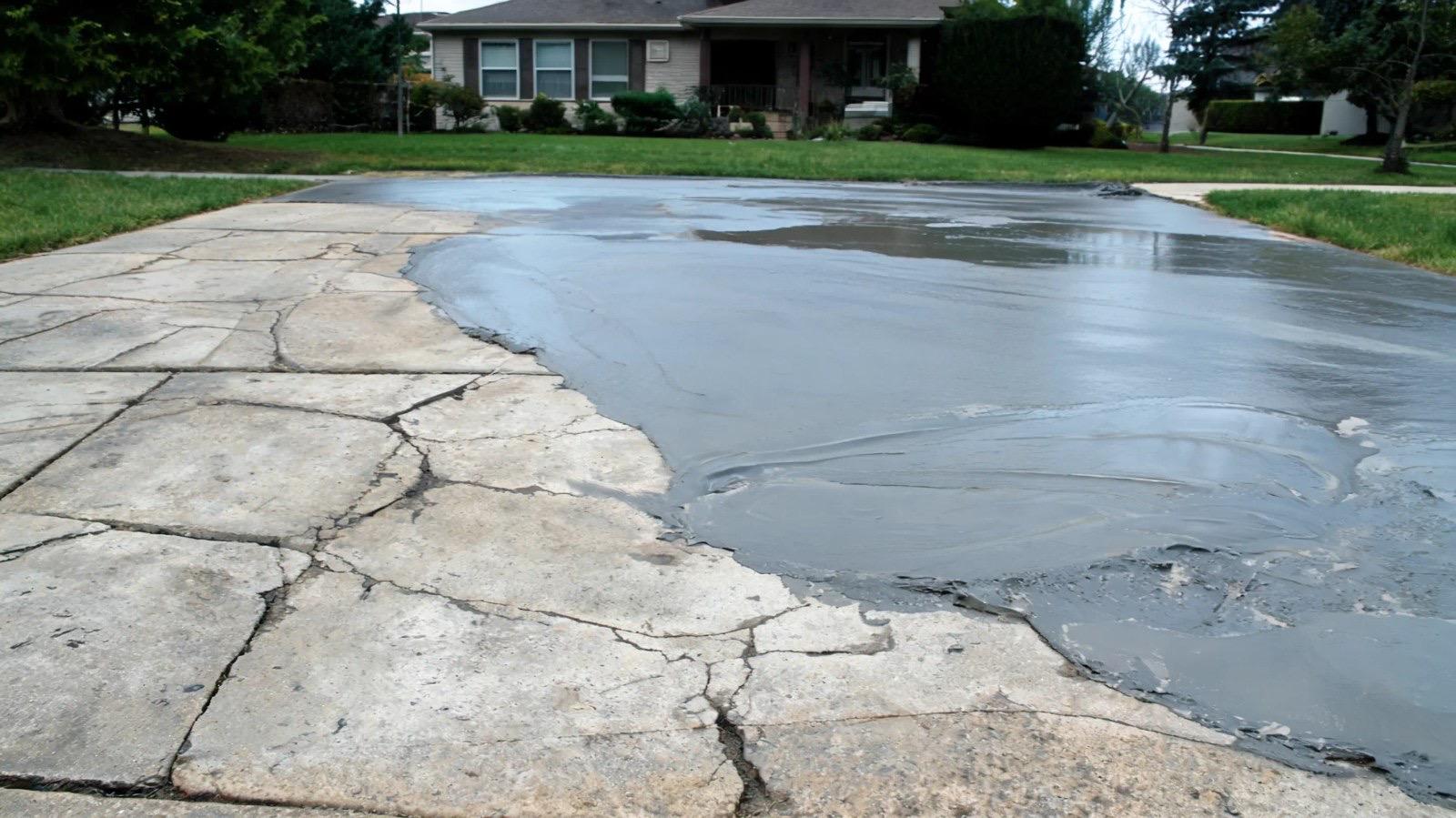
- Plastic shrinkage cracks: Surface water evaporates faster than bleed water can rise up to replace it, tearing the slab.
- Lower final strength: Hot concrete sets fast, but that accelerated hydration produces a weaker crystalline structure, which can cut your 28-day strength even though it looked fine going in.
Success comes down to three phases. Timing the pour right, managing the mix during transport, and staying ahead of the surface during finishing.
What Temperature Is Too Hot to Pour Concrete?
No strict legal cutoff here, but the set-time math tells the real story. Quikrete’s own guidance puts concrete setting in about 4 hours at 80°F, and that drops to roughly 2.5 hours at 90°F.
Rule of thumb: treat 85-90°F as the point where you start actively managing the pour.
Timing and Preparation
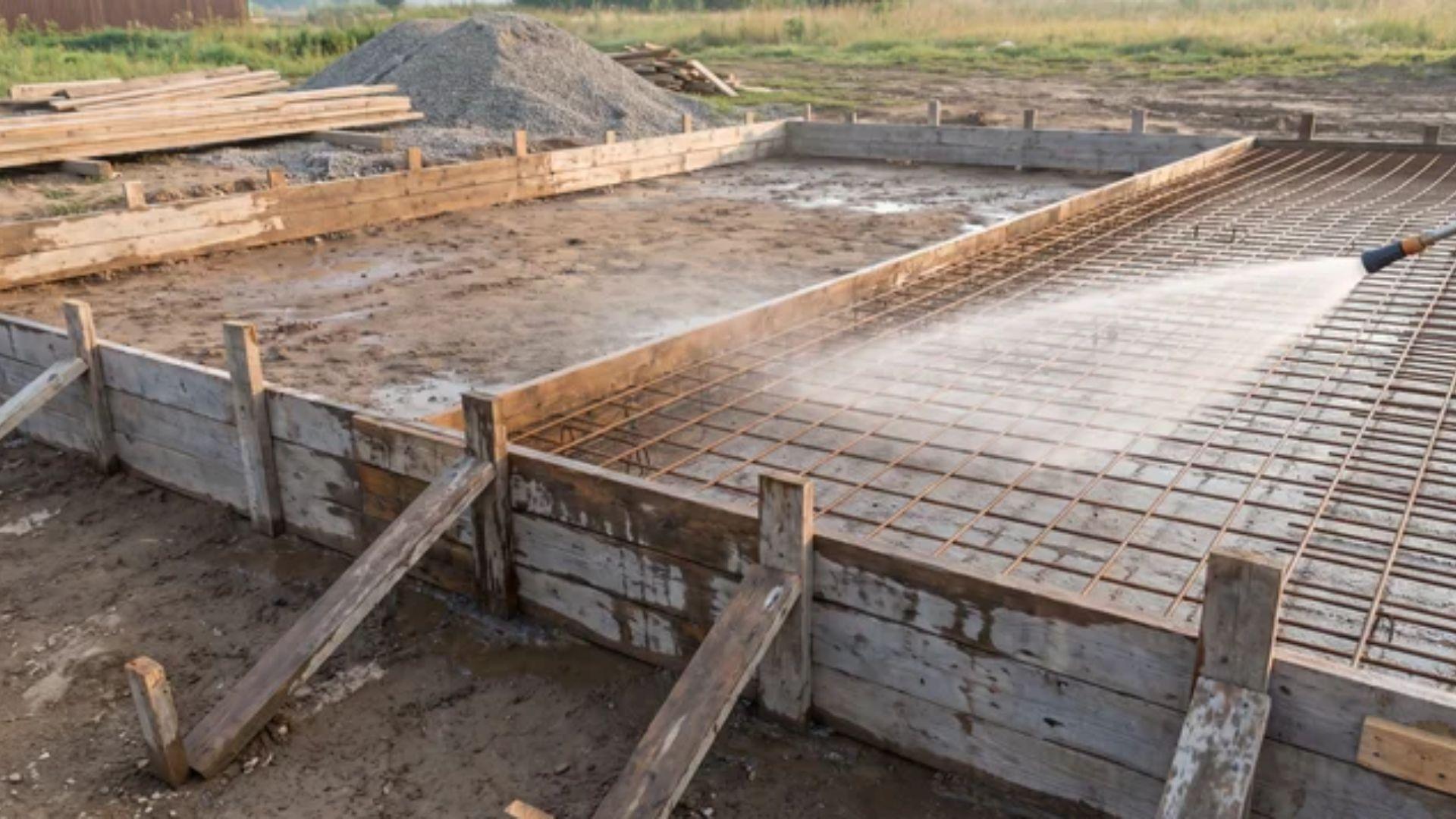
Pour early. Starting around 4:00 or 5:00 AM gets you finished before peak heat sets in. Buys back a lot of the working time hot weather takes off you.
Avoid placing concrete between noon and 4:00 PM if you can help it. Daytime heat's unavoidable, so some crews shift the whole pour to nighttime instead.
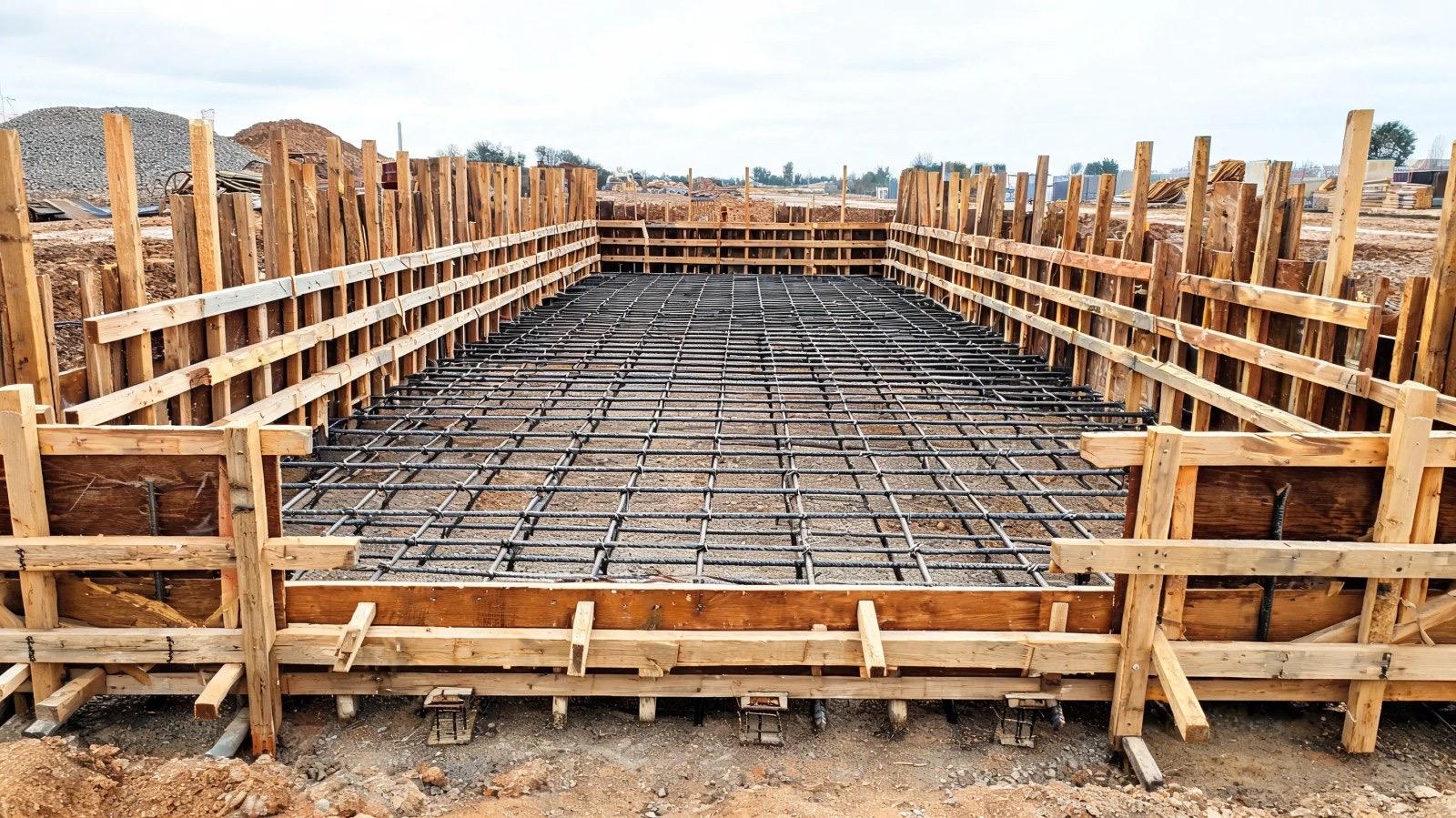
Dampen the subgrade, forms, and rebar. Spray the subgrade, your wood or metal forms, and any exposed steel with cool water beforehand.
Dry, hot surfaces pull moisture straight out of the fresh mix the second it makes contact, weakening the bottom of the slab. Just don't leave standing puddles behind.
Mixing and Transporting
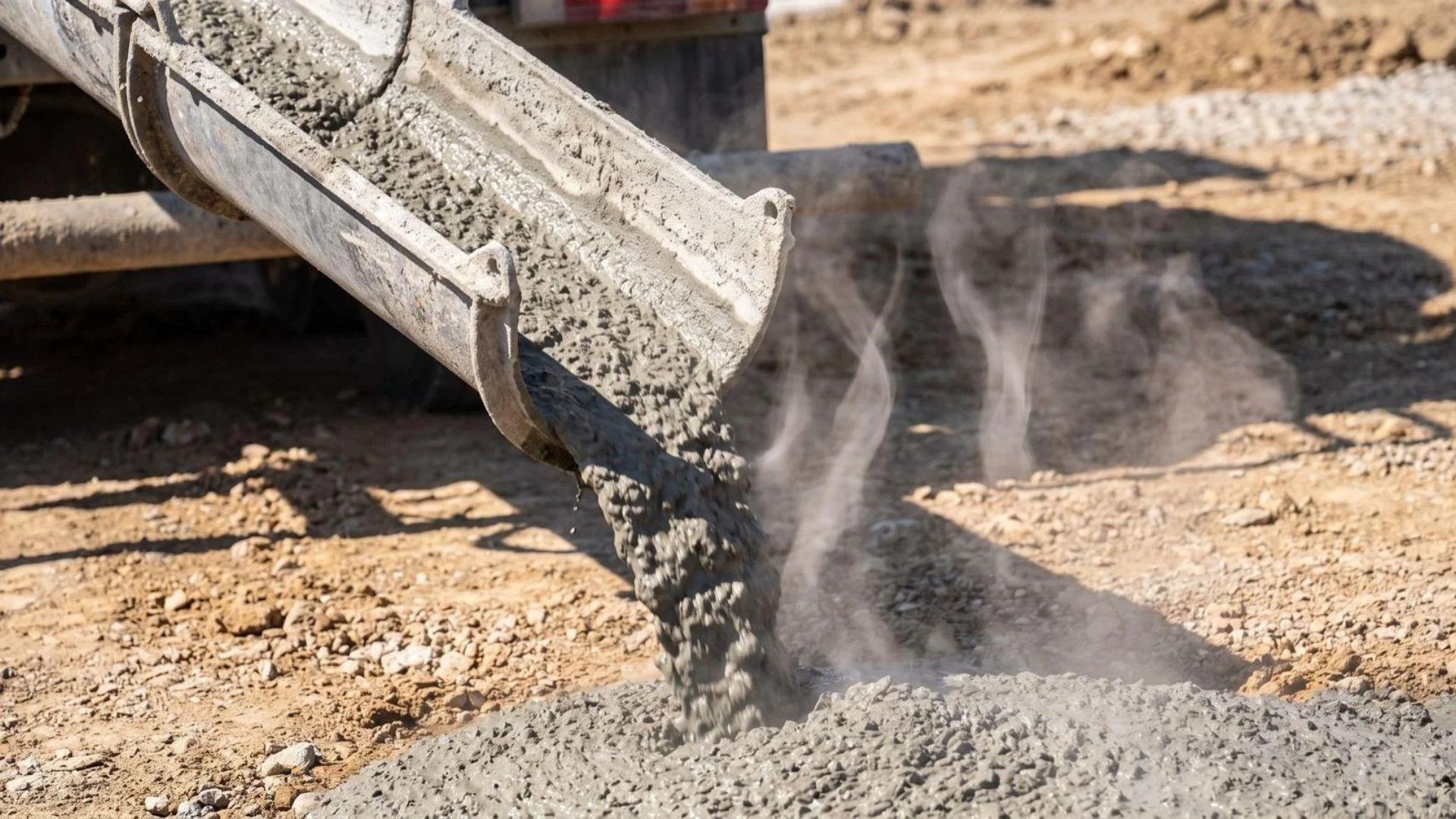
Cooling the mix matters more than most people figure. Ask your supplier for chilled mixing water or ice, or shade the aggregate stockpiles to keep the starting temperature down before it's even batched.
Keep transit and haul times under 45 minutes. That number keeps coming up across contractor guidance to help prevent slump loss from setting in.
That's the gradual loss of workability that makes the mix harder to place and finish.
Timing or temperature's tight? Ask your supplier about admixtures. Water-reducing or retarding admixtures, or swapping part of the mix for fly ash or slag, can stretch your working time and keep the concrete workable without adding extra water on site.
That last part matters: never add extra water to a mix that's starting to stiffen up. It severely weakens the finished concrete.
Finishing and Curing
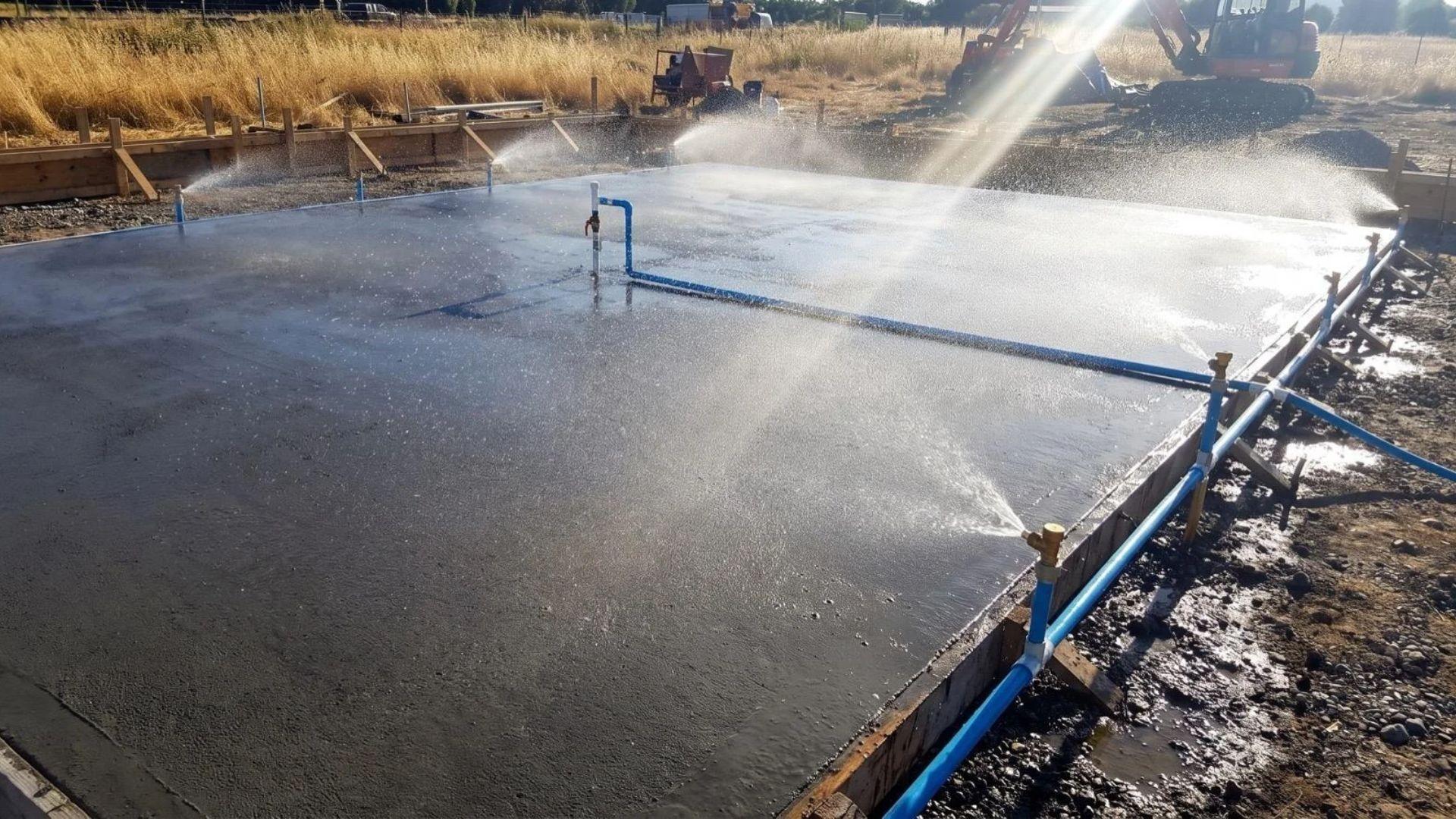
Bring a bigger crew. Concrete sets a lot faster in high heat. More hands on the finishing work keep you from falling behind the set.
Prevent surface drying. Apply a monomolecular finishing aid or evaporation retarder right after screeding to lock moisture in while the crew finishes the surface.
Start curing immediately. Keep that slab hydrated the second it sets. Curing compounds, wet burlap, and continuous misting all work.
Hold that moisture for at least 24 to 48 hours. That's what heads off the shrinkage cracks hot, fast-drying pours are prone to.
Bottom Line
Pouring concrete in hot weather is manageable, long as you plan around a faster set. Pour early, cool the mix during transport, use admixtures if the timing's tight, and start curing the moment the surface sets.
Skip those steps, and heat turns a normal pour into a cracked, rushed mess.
Frequently Asked Questions
Is 90 Degrees Too Hot to Pour Concrete?
Not necessarily, but 90°F pushes you into the risk zone. Set time drops to roughly 2.5 hours, slump loss speeds up, and shrinkage cracking gets more likely unless you pour early and cure fast.
At What Temperature Can You No Longer Pour Concrete?
No hard cutoff where pouring becomes impossible, but above 90-100°F the working window gets so short most crews switch to early-morning or night pours and lean on admixtures to keep the mix workable.
How Hot Is Too Hot to Lay Concrete?
Most contractors treat 85°F as the point to start managing the pour, and 90°F or higher as high risk. Past that, sun, wind, and low humidity push the actual danger point even lower.
What Is the Cutoff Limit for Heat to Pour Concrete?
No official cutoff, but once temperatures climb past 90°F, rapid slump loss and shrinkage cracking get likely unless you pour early, cool the mix, and cure the slab immediately.