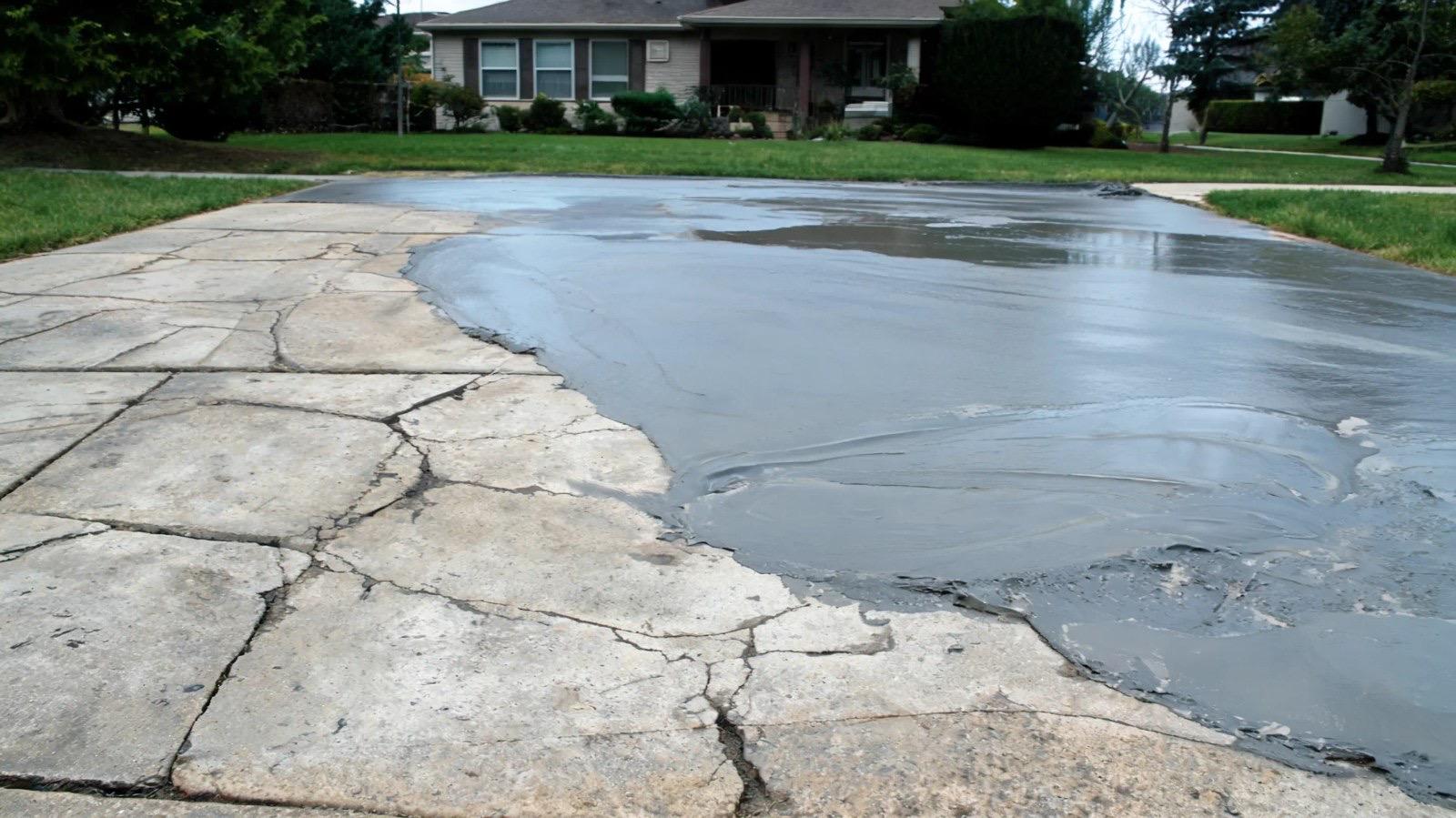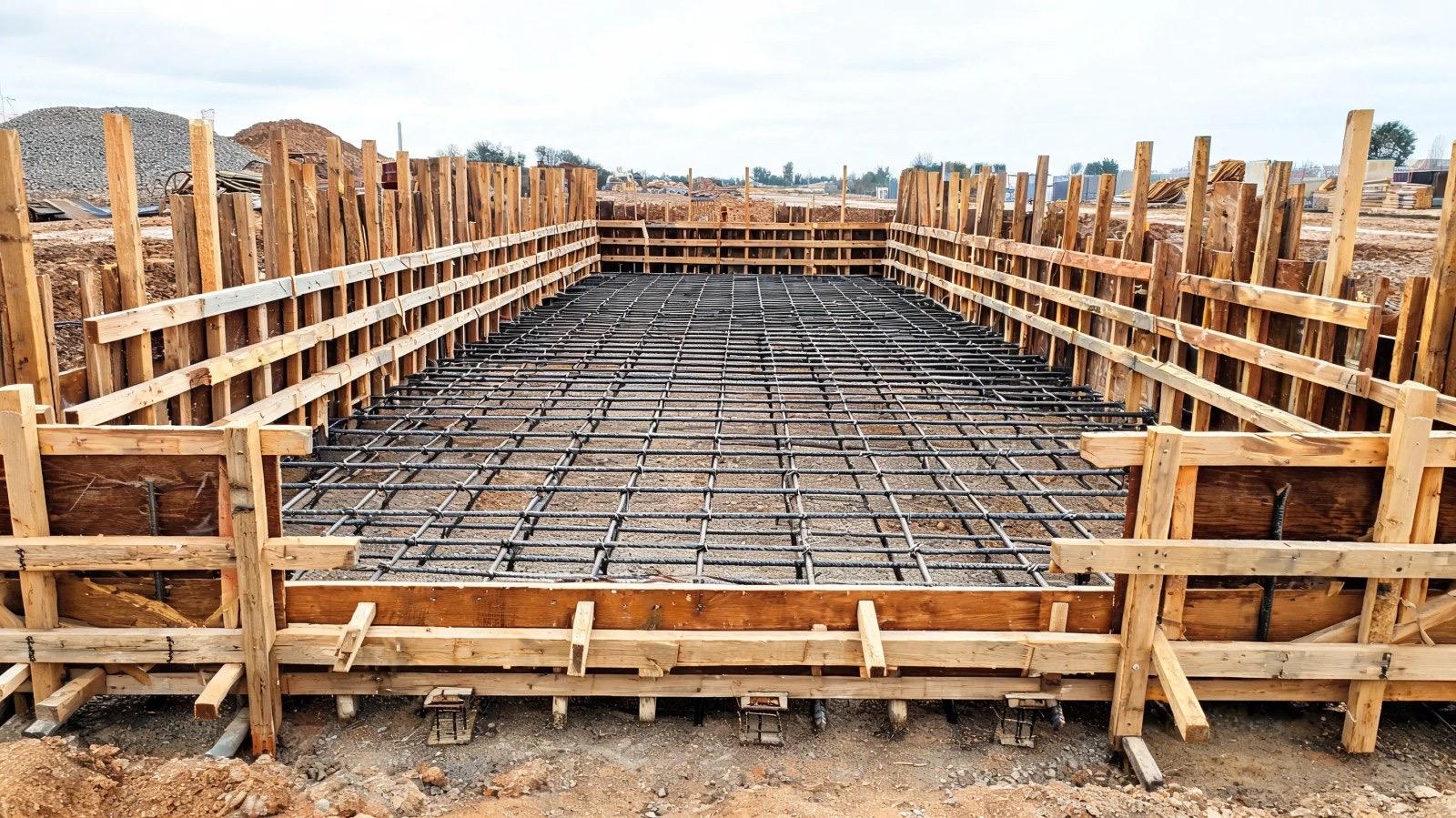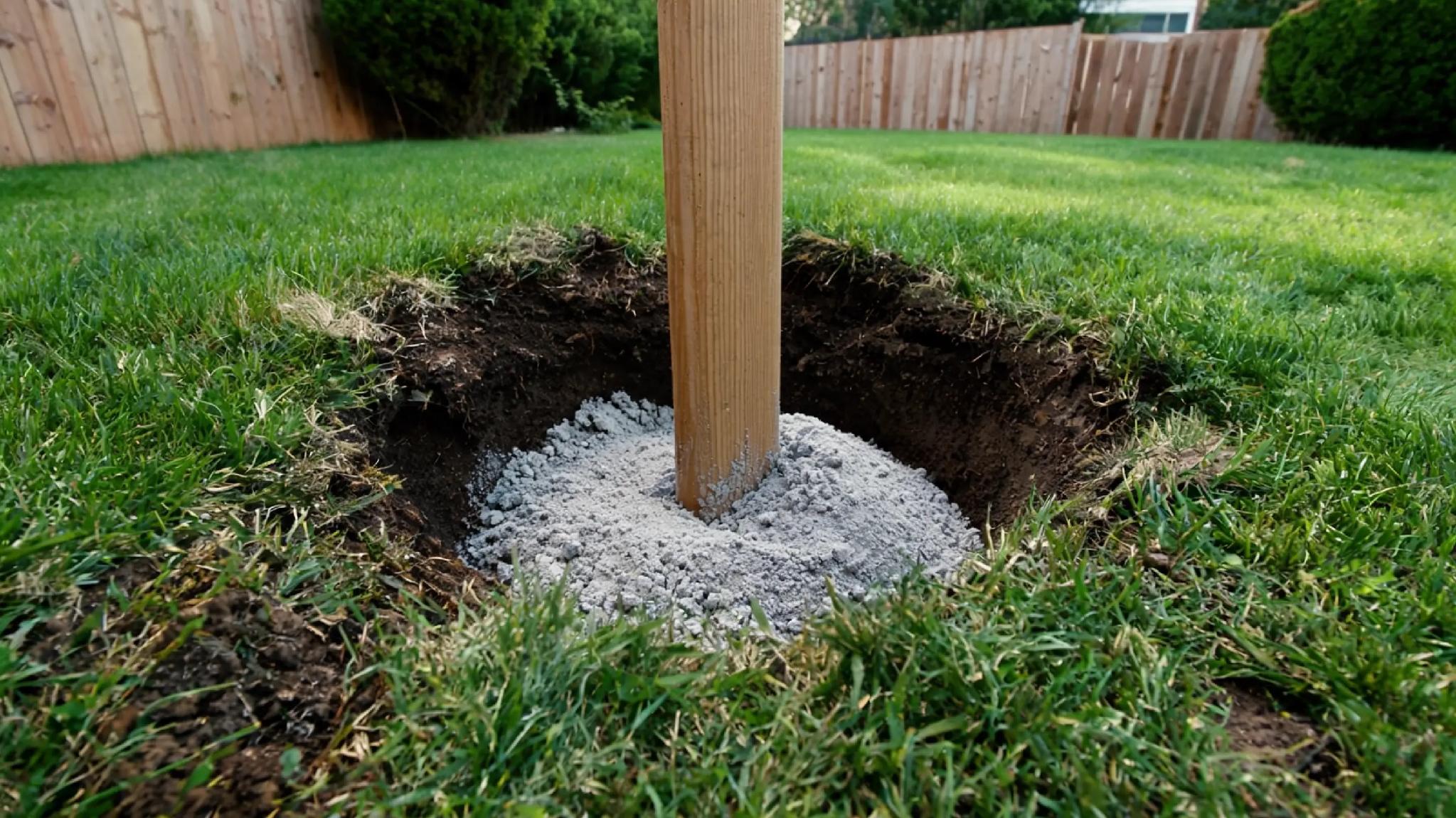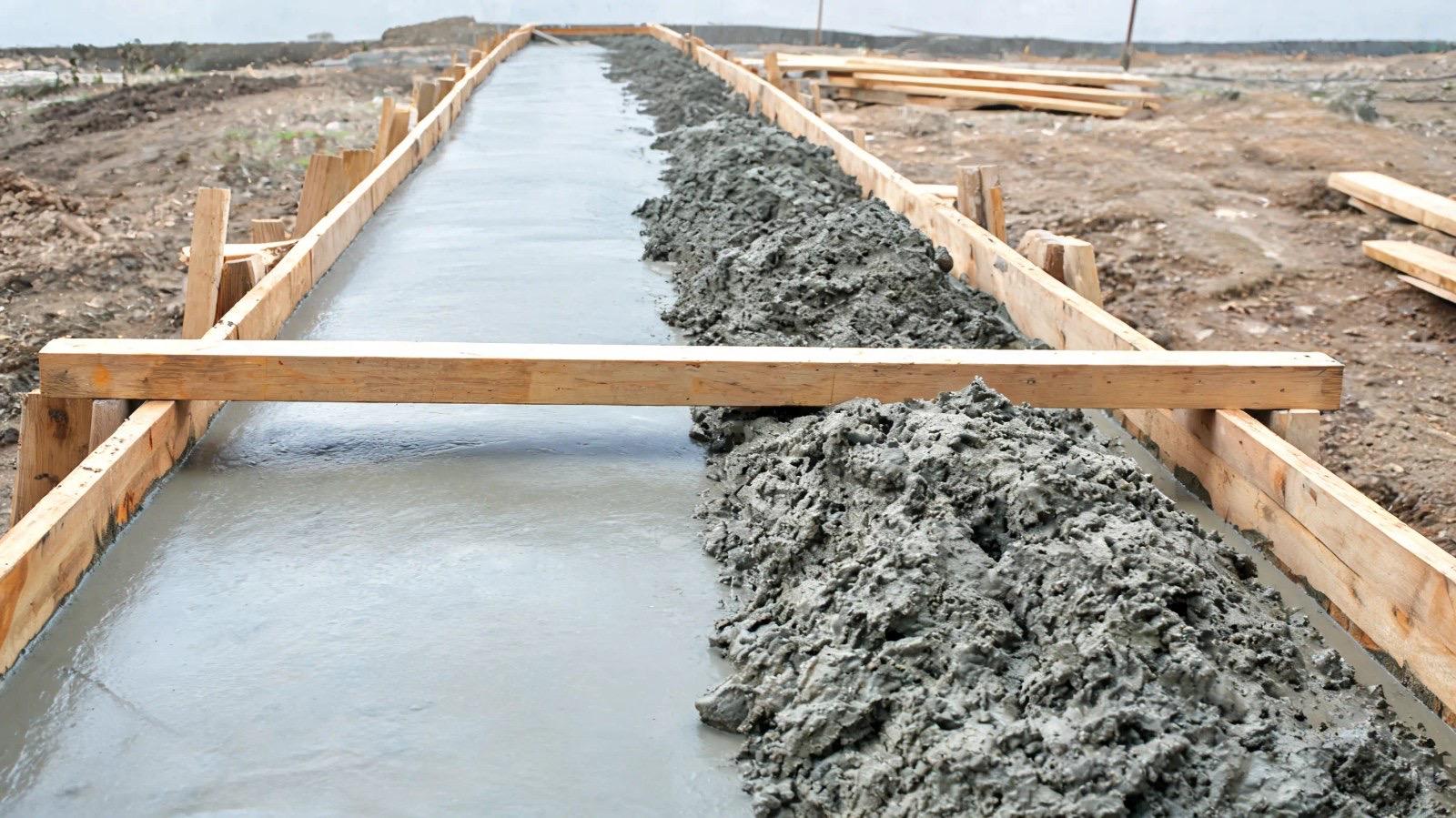
Now, back when I first got into this trade, if you wanted to get rid of a busted-up driveway, you hauled it to the landfill and paid to dump it. Nobody thought twice about it.
These days that same broken-up concrete gets run through a crusher and sold right back to you as driveway material, and honest to God, half my customers don’t trust it.
They figure if it’s recycled, it must be the cheap stuff that falls apart in a year.
So is crushed concrete good for driveways, or is it just junk dressed up with a fancier name? I’ll tell you, the answer depends on a few things most folks never get told, and once you know them, it’s not complicated at all.
Let me show you a little of that.
What Is Crushed Concrete, and What Are You Comparing It To?
Crushed concrete is just old concrete, torn out and run through a crusher. Most of what you’re buying came off somebody’s old driveway, a sidewalk, maybe a parking lot that got ripped up.
Suppliers grade it by size after they crush it. You’ll hear it called“crush-and-run” or “three-quarter-inch minus,” that kind of thing.
The grade matters more than people think. You want the coarser stuff, an inch and a half to two inches, down at the base. Finer grade goes on top, where it packs down tight, because that’s what your tires are actually sitting on.
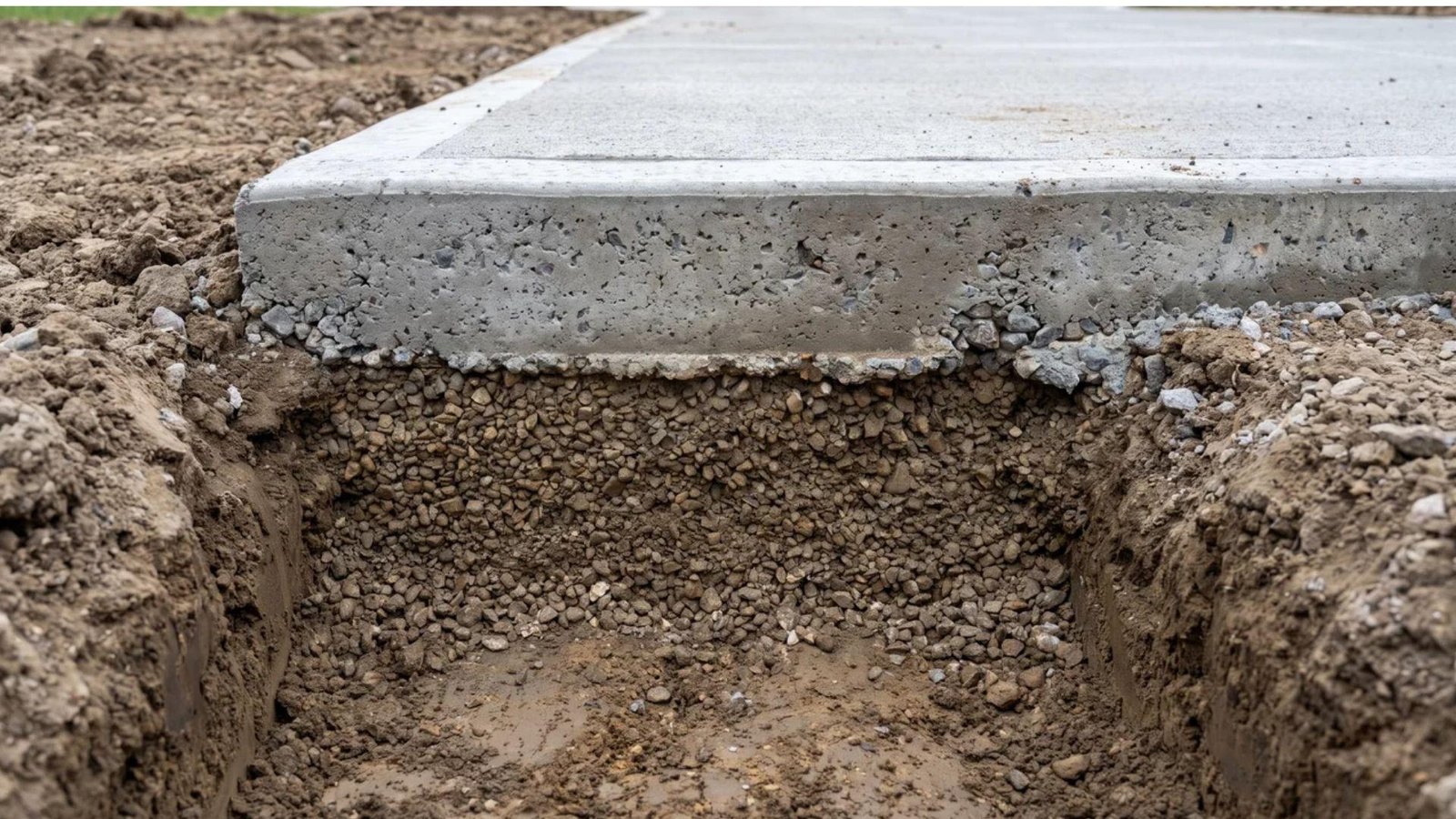
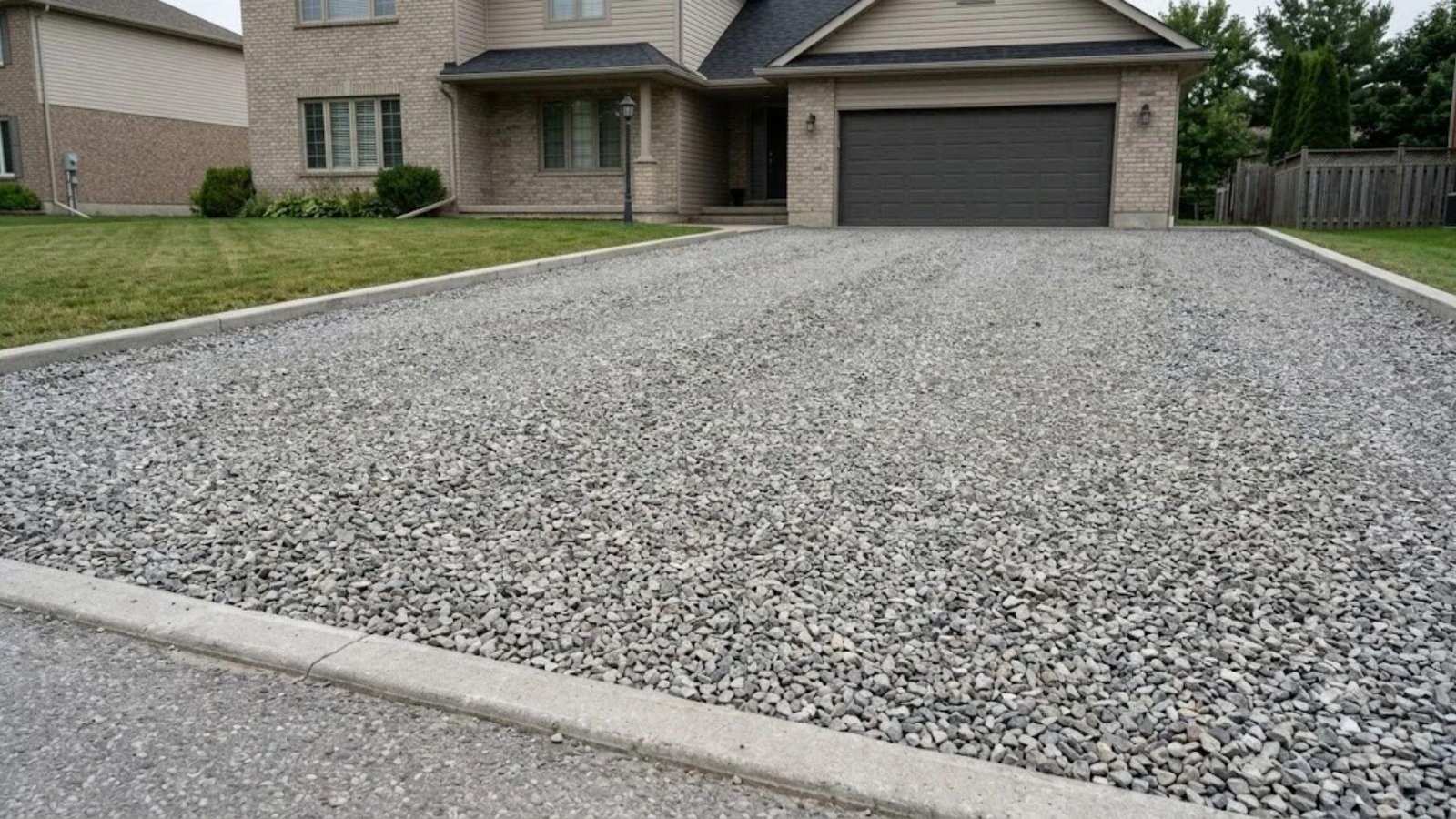
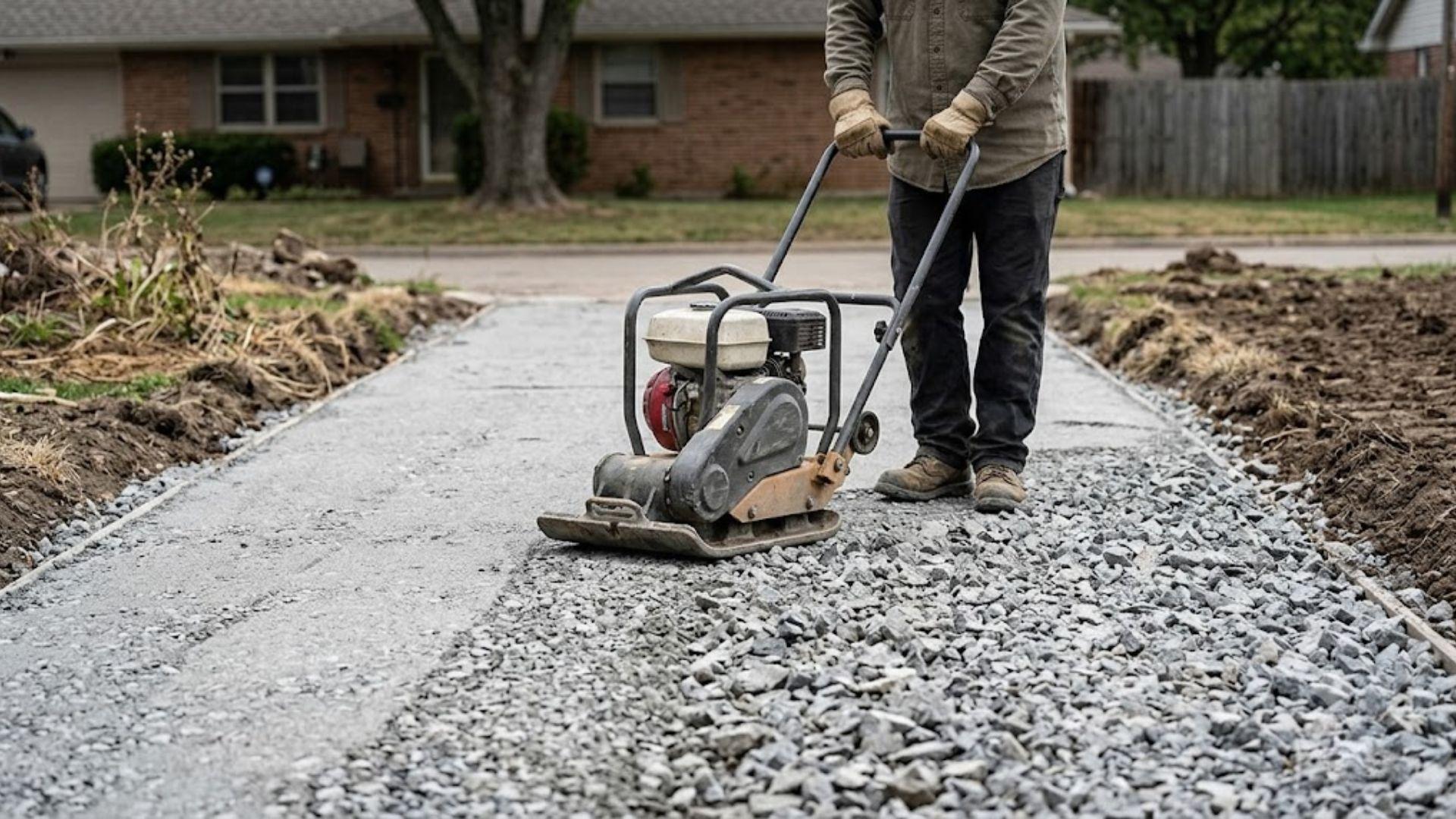
A typical driveway, you’re running two layers. Base is four to six inches of the coarse stuff, then you top it with two to three inches of the finer material and compact it down smoothly. Roll it or drive over it a bit, and the two layers lock together and firm right up.
Now here’s where people get confused, because they mix it up with regular gravel.
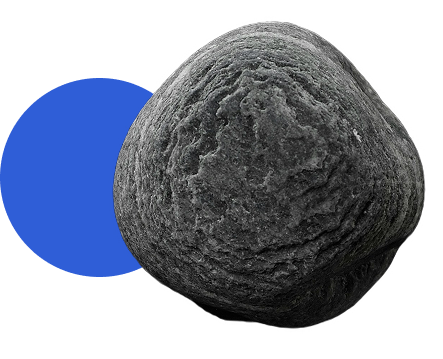
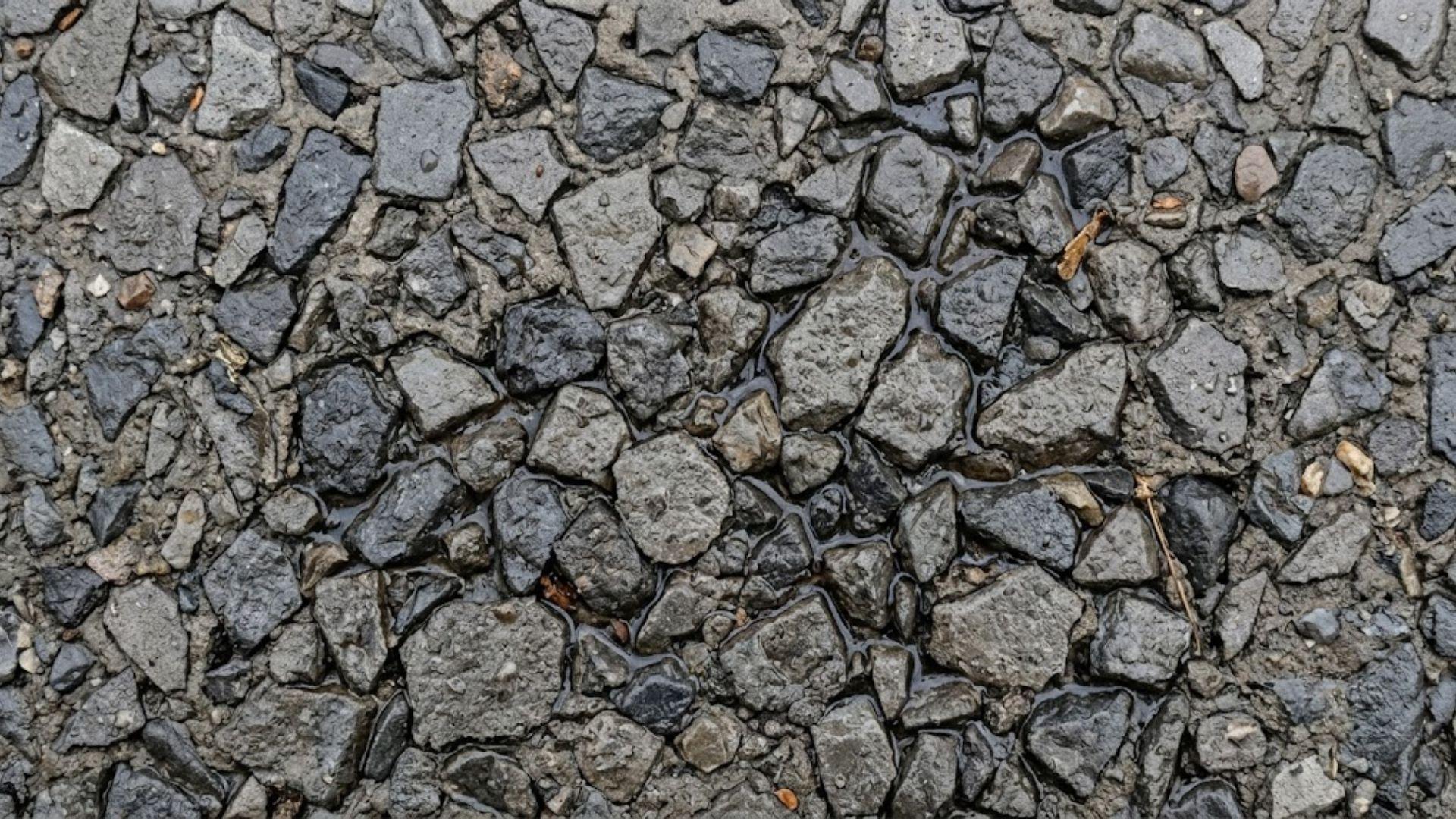
Gravel’s round, since it’s dug out of a riverbed or a quarry someplace.Crushed concrete pieces are angular, all sharp edges.They lock together instead of rolling past each other, and that right there is the whole reason it holds up as well as it does.
What Are the Trade-Offs?
It saves you real money and it drains good. But you’re trading off some things in dust, durability, and how it looks, and I don’t want to sugarcoat that for anybody.
Where It Wins
Cost’s the big one. You’re looking at25% to 50% lessthan fresh gravel, asphalt, or poured concrete. Drainage is strong too, water moves right through it instead of pooling up, which cuts down your mud and your frost heave.
There’s the waste side of it too. Every load of crushed concrete you buy is a load that didn’t get dumped in a landfill, and a load of fresh gravel that didn’t have to get quarried and hauled out to replace it. That’s not nothing, especially on bigger jobs.
And it hardens over time. There’s leftover cement still in those crushed pieces, and it reacts with rainwater and binds the whole thing together as the years go by.
Why Reviews Contradict Each Other
That self-cementing thing is exactly why you’ll read ten reviews online and get ten different opinions. Some folks swear by it, others say theirs turned to dust inside a year.
Comes down to two things every time:
How consistent the aggregate is, since a batch with more fines and less coarse stone compacts different and quality varies supplier to supplier.
Andhow deep it was installed, because a thin layer without proper compaction breaks down fast no matter how good the material was to begin with.
Neither one of those is random. You just gotta know to ask.
Where It Struggles
Weight’s the real test. A driveway built for a couple sedans holds up fine for years, I’ve seen it myself plenty of times.
But push heavy trucks or equipment over that same base and the top layer starts grinding down into loose aggregate and dust. That’s not the material failing you, that’s a mismatch between the load and how deep your base was built.
And looks, I’ll be straight with you, crushed concrete isn’t going to win any beauty contests. It’s grayish, uneven in color, looks visibly recycled instead of uniform like a fresh asphalt or poured concrete job.
Dust is the other trade-off nobody mentions up front. A crushed concrete driveway kicks up fine dust when it’s dry and gets driven on or blown around, more than gravel does.
If anybody in the house deals with allergies or you’ve got a lot of outdoor furniture nearby, that’s worth factoring in before you commit.
Which Conditions Change the Answer?
Whether it works for you comes down to how heavy your vehicles are, how long the driveway runs, and what kind of climate you’re in. Not the material by itself.
Passenger cars, standard layering holds up fine, often for years without a lick of trouble.
Trucks, farm equipment, construction gear, that needs a thicker base to spread the load and more upkeep along the way. Wet or freeze-thaw climates, the good drainage works in your favor, cuts down standing water and frost heave both.
And if you’ve got soil right along the driveway edge, the lime and cement in the runoff can push the alkalinity up, which’ll bother your acid-loving plants nearby, so keep that in mind if you’ve got a garden running along there.
Base depth under heavy loads, that’s where it actually starts going wrong. A thin or poorly compacted base’ll survive cars just fine but gives out under trucks. I’ll tell you that for free: it’s rarely the material that fails first. It’s what’s underneath it.
Is Crushed Concrete the Right Choice for Your Driveway?
For most driveways, yeah, it’s a solid choice, long as it’s put in right. Standard residential driveway, normal car traffic, it checks every box you need and you’re paying a fraction of what the other materials cost.
Now there’s exceptions. Heavy, sustained truck or farm traffic wears it down quicker than other materials will. And if a clean, uniform look matters more to you than what you’re spending, asphalt or poured concrete’s going to look better sitting in front of your house.
But here’s the thing that holds true no matter which camp you’re in: skip the base depth, skip the compaction, and even the best material in the world is going to let you down.
The driveway’s success has a lot less to do with the material than with how it was put down. I build mine the way I’d want to find it if I was the guy called out to fix somebody else’s mess later. I don’t want to be that callback.
Frequently Asked Questions
Is crushed concrete better than gravel for a driveway?
Generally, yeah, for stability anyway. Those angular pieces lock together and compact tighter than round gravel ever will, and it’ll self-cement a little over time on top of that. Gravel shifts more underfoot and you’re topping it up more often. Gravel might still win if you care more about looks or want something softer underfoot.
Will crushed concrete harden?
It will. There’s unhydrated cement left in there, and it reacts with moisture over time and binds those angular pieces together. That’s what gives a properly compacted crushed concrete driveway its long-term stability, especially in the top few inches that’s catching all the rain.
Is it cheaper to blacktop or concrete?
Blacktop’s cheaper going in, but you’re resealing it every few years, and that adds up over the life of it. Concrete costs more up front but lasts longer with less fuss. If budget’s what matters most to you, crushed concrete’s still your lowest-cost option of the three, and it’ll hold up fine when it’s done right.